Battle of Britain 1940

German planes published at the request of the War Office to enable people identify the enemy

German planes published at the request of the War Office to enable people identify the enemy

On 3 September 1939 Britain declared war on Germany following their invasion of Poland. Hitler, from the outset had employed ‘blitzkrieg’ tactics and overrun five other countries: Denmark, Norway, Holland, Belgium and France. In June 1940 Britain’s armies had been driven back with the only escaped from Continental soil was by the massive Dunkirk evacuation. At the time Hitler boasted that the war would be over by the end of 1940 and he would enter London in triumph before Christmas.

The collapse of all Continental resistance gave the Nazi’s complete command of Europe’s western seaboard from Narvik in the north to the Spanish frontier in the south. This provided air and naval bases that made Britain within easy range of their guns. However, invasion could only be attempted after the British fleet had been crippled or destroyed and the airforce driven from the skies.

Between the 10 July and 31 October 1940, a prolonged aerial conflict took place for the control of the skies above the Channel and South Eastern England. This was between the Luftwaffe (the German air force) and the Royal Air Force. This conflict became known as the Battle of Britain.

To achieve his objective Hitler relied upon his airforce, the Luftwaffe, and during June, July and the first week in August an offensive was mounted to gain supremacy of the sea and skies. This was in preparation for 10 August, Adler Tag (Eagle Day), the first part of a three phased planned invasion code named Operation Sea Lion.
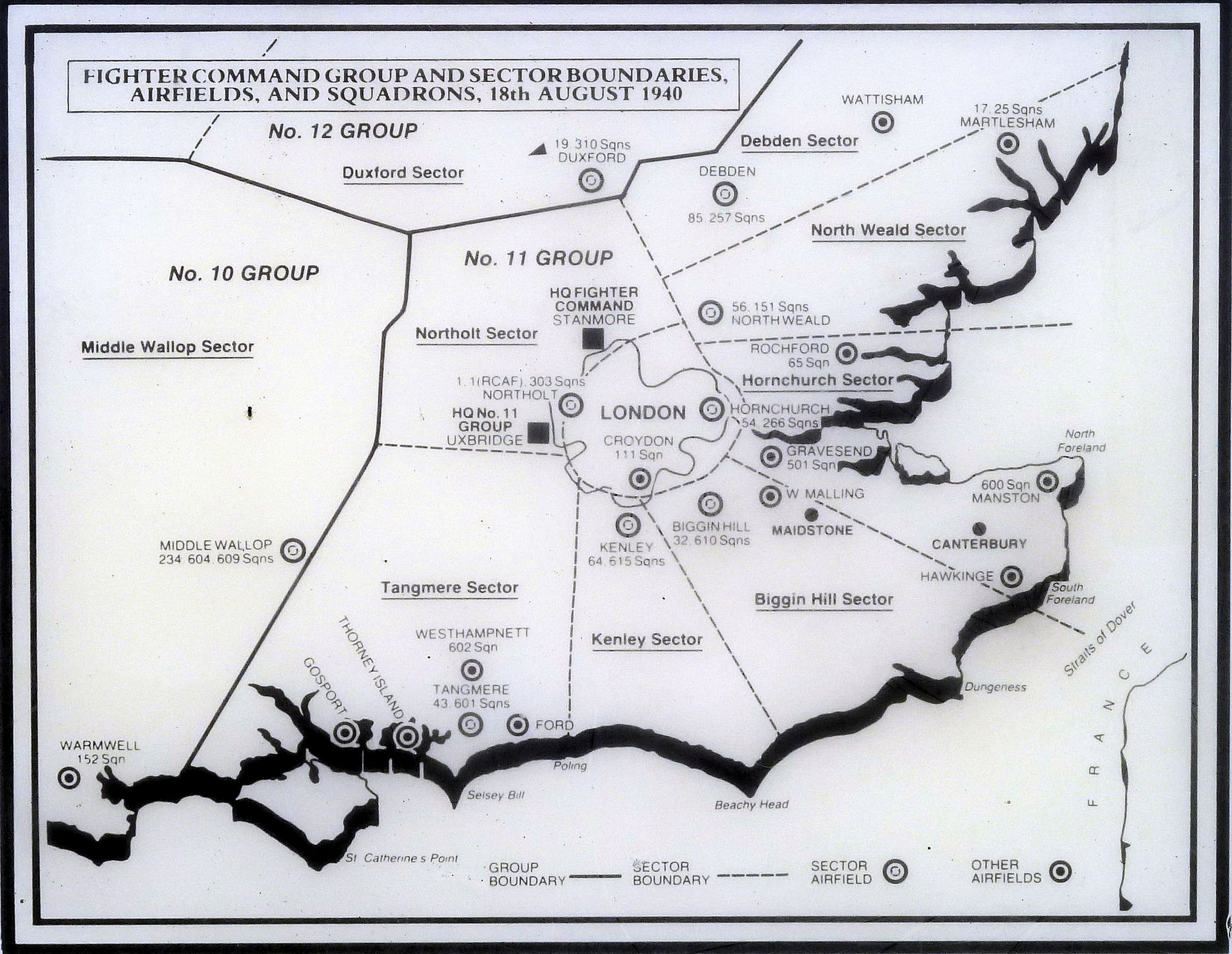
Fighter Command Groups and Sector Boundaries, Airfields & Squadrons 18.08.1940. BofB Memorial, Capel.

Fighter Command Groups and Sector Boundaries, Airfields & Squadrons 18.08.1940. BofB Memorial, Capel

At the time there were eight military airfields in Kent, Biggin Hill, Manston, Hawkinge, Gravesend, Eastchurch, Detling, Lympne and West Malling. The first four were to play a major role in the Battle; Coastal Command used Eastchurch and Detling; Lympne was used in emergencies and Manston and Hawkinge, due to their proximity with the coast, were used for damaged aircraft and wounded pilots as well as forward bases for other airfields. West Malling did not come operational until later that year.

In overall charge was Air Chief Marshal Sir Hugh Dowding, Commander in Chief, Fighter Command, from 1936 to 1940. Fighter Command was divided into four Fighter Groups, Nos. 10,11,12 and 13, with each group subdivided into further sectors. Group 11 had 6 sectors, 12 = 5 sectors, 13 = 4 sectors and 10 = 2 sectors.
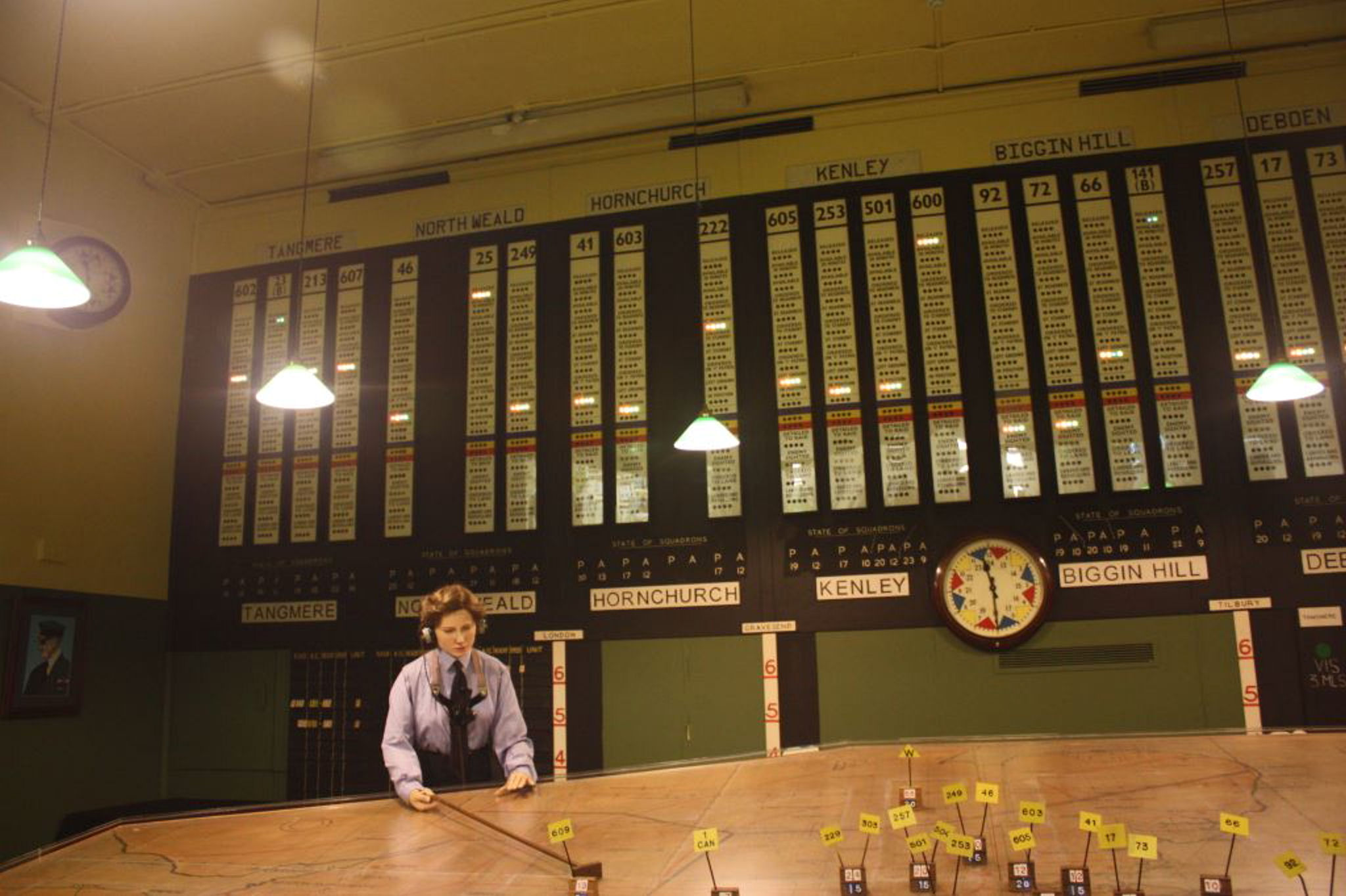
Uxbridge Group 11 Operations room - thanks to Pete Marshall

Uxbridge Group 11 Operations room – thanks to Pete Marshall

Each sector had an operations room plus emergency standby and satellite airfields. Information was collected by the ‘Y’ service, which monitored German wireless messages along with Chain Home radar stations, such as the one at Swingate, that tracked aircraft movements. All of which was confirmed, or otherwise, by the Observer Corps. In 1941 they were given the accolade of Royal. They supplied visual reports by sightings.

Pete Marshall, whom I met at the Battle of Britain Memorial, Capel, near Dover, tells me that a sector controller looked after up to a maximum of 6 squadrons in his particular sector. Incoming raids, marked as hostiles, were tracked by RDF (radar) as they cross the Channel and then by the OC. In the operations room were detailed maps and wooden blocks, called plots, marked with the raid number and estimated number of aircraft were used to indicate the position of the hostile craft.

Uxbridge Group 11 Operations room showing the plot, the wooden blocks with the raid and estimated number and the coloured arrows - thanks to Pete Marshall

Uxbridge Group 11 Operations room showing the plot, the wooden blocks with the raid and estimated number and the coloured arrows – thanks to Pete Marshall

As reports came in coloured arrows were used and placed on the board with their colour corresponding to the coloured sector of a clock, in which the minute hand was the time of the report. If the minute hand is in blue, then a blue arrow was used for information less than 5 minutes old, yellow up to 10 minutes old and red up to 15 minutes. If the minute hand were in the red sector, then blue arrows would show the information to be up to 10 minutes old, as new reports of less than 5 minutes would be shown with red arrows.

The 'Clock' in the mock-up Operations room at Capel Battle of Britain Commemoration 2013

The ‘Clock’ in the mock-up Operations room at Capel Battle of Britain Commemoration 2013

The colours and times were all dependent on where the minute hand was at any particular moment. If the minute hand had moved to the next sector of the same coloured sector without receiving an update, the arrows were removed from the plot. A plot with no arrows indicates a position over 15 minutes old and therefore unreliable. It is said that this is where the expression ‘losing the plot’ comes from.

The Battle of Britain began on 10 July, with hundreds of sorties by Hurricanes and Spitfires against the Luftwaffe’s Messerschmitt and Heinkel fighters. That day Dover ambulance driver, George Knight, received a bullet wound to his leg while watching the dogfights overhead. Four days before, 10 small 100lb bombs were dropped on Dover; they did little damage but aroused a great deal of curiosity. Then the Germans launched daylight raids against ports and airfields.

One of the most determined attacks was on British shipping in the Strait of Dover on 14 July, when about forty dive-bombers escorted by fighters, took part. Pilot Officer Mudie’s Hurricane was hit; he baled out, but died of his injuries the next day. On 25 July, enemy dive-bombers attacked merchant ships and destroyers causing 122 naval casualties that were treated at Dover’s Buckland Hospital – then known as the Casualty Hospital.

H.M.S. Sandhurst 29 July 1940. Thanks to Michael Harmer

H.M.S. Sandhurst 29 July 1940. Thanks to Michael Harmer

The 27 July saw the biggest air fight thus far off Britain’s coast when 80 German planes attempted a surprise raid on shipping in the harbour. HMS Codrington, a destroyer was hit and never went to sea again. Moored nearby was HMS Sandhurst that was set alight by incendiary bullets but survived. Dover firemen went with her to the Thames, still pumping out her holds. Captain Fred Hopgood, one of the Harbour Board tug masters (later Harbour Master for eleven years), along with Dover’s police/firemen Ernest Herbert Harmer, Cyril William Arthur Brown and Alexander Edmund Campbell were awarded the George Medal for their part in saving several ships that day and the following two days.

Defence Volunteers prepare for invasion erected barricades and check IDs. Doyle Collection

Defence Volunteers prepare for invasion erected barricades and check IDs. Doyle Collection

In the meantime, preparations were being made to resist the invasion. Along the coast barbed wire and guns commanded every likely line of approach. Troops trained constantly in the art of mechanised warfare and carried out extensive manoeuvres in readiness for the day when the enemy should come. Britain’s civilian army, the Home Guard, watched all approaches to cities and towns, built pillboxes, dug trenches and prepared to take on the enemy at close quarters if necessary. Farmers, aided by Women’s Land Army ‘land girls’, worked to keep the nation fed. Around Dover and the harbour, batteries were manned 24/7 and local railway lines were utilised as mobile batteries. Behind the cliffs of St Margaret’s Bay the first big artillery pieces were installed.

At Drellingore (near Bushy Ruff) in the Alkham Valley, a special unit of local civilian volunteers under the command of Lt. Cecil Lines, and consisting of George Marsh, Samuel Osborne, Thomas Holmans, Charles Fayers and Denis Dewars prepared to carry out subversive actions if the invasion came. The platoon’s quarters was a bunker hewn out of the hillside in a small coppice and was full of a variety of armaments. Each man was personally issued with a .38 Smith & Wesson revolver, a Fairbairn Commando knife and a brass knuckleduster. They had been taught to kill silently.

David Ian Kirton before the Battle of Britain and his untimely death

David Ian Kirton before the Battle of Britain and his untimely death

On 8 August Germany decided that the time had come to launch the carefully prepared three phased, Operation Sea Lion – the invasion of Britain. On that day massed formations of dive-bombers, escorted with powerful fighters attacked Channel convoys and coastal towns, including Dover. The Few, as the RAF pilots involved were later called, responded, but not without casualties. The Spitfire, which 21 years old Sergeant (Pilot) David Kirton, was flying that day, burnt out and crashed. He is buried in St James’ cemetery. There is a seat dedicated to both David and his brother Jim, a squadron leader, killed on 27 January 1944, on Marine Parade.

The first shells, from German long-range guns based in France, were fired onto British soil on 12 August. Four homes were demolished in Noah’s Ark Road killing two and seriously injuring three. Helen Barker and Alfred Reid were killed in St Radigunds Road; distressingly the ambulance driver who went to the incident was Helen’s husband.

Although the long-range guns were not taken out, along the Continental Channel coast bomber planes of the Bomber and Coastal Commands night after night dropped their loads. At the same time long rang bombers flew over Germany bombing railways, roads, munitions factories, oil plants and canals, in an effort to hamper communications and slow down the German war effort.

Spitfire replica - Battle of Britain Memorial, Capel.

Spitfire replica – Battle of Britain Memorial, Capel.

Together, this showed the Germans that British fighter strength was greater and more formidable than had been anticipated. Therefore, together with the attacks on shipping and coastal towns, large forces were sent to attack the airfields in south and southeast England. The tactics usually involved bombing coastal objectives, in an attempt to draw off British fighters, while making the main assault on the real objective, whether airfield or port, about half an hour later.

 Hurricane & Spitfire over Battle of Britain Memorial, Capel 14 July 2013

Hurricane & Spitfire over Battle of Britain Memorial, Capel 14 July 2013

On 14 August some 200 aircraft, both British and German, met head-on over Dover and a furious battle ensued. Over the next four days the people of Dover witnessed similar aerial battles at the same time being bombarded with shells from the long-ranged guns in France. In one-day Military authorities estimated that over thirty shells hit the town, resulting in deaths, injuries and major destruction of property.

In the ten days 8-18 August – the first phase of Operation Sea Lion – the Germans lost 697 aircraft against a British loss of 153, and sixty of those the pilots were safe. It is believed that a greater proportion of British pilots would have been saved had the fighting not taken place over the sea.

St Barnabas Church,Barton, 22 August 1940. Doyle Collection

St Barnabas Church,Barton, 22 August 1940. Doyle Collection

The second phase of Operation Sea Lion did not begin until 24 August but Britain did not let up and reprisals were swift. On 19 August, following an attack on German ships in the Channel, a bomb was dropped on an Army-v-Navy football match, behind the Castle, killing all the players and some of the spectators. On the evening of 22 August German guns bombarded Dover for an hour badly damaging St Barnabas Church – it was finally demolished in 1954. That day saw the first shell fired from England on France.

The second phase of Operation Sea Lion lasted until 5 September, during which time the enemy made inland airfields their main objective. Altogether there were thirty-five main attacks and the method of attack changed, the numbers of bombers were reduced but the fighter escorts almost doubled. Meanwhile, the British bomber forces kept up their counter attacks over which Hitler threatened dreadful reprisals in a speech of 4 September. He described them as, ‘the nuisance of nightly and planless bomb throwing.‘ The following night the British bombed the industrial areas of Berlin. Altogether, phase two cost the British 219 machines but it also cost the Germans 562 and forced them to change their tactics.

The third phase began on Saturday 7 September – the mass attacks on London. The Germans approached in waves; each composed of formations of between twenty and forty bombers escorted by an equal number of fighters. In all 350 machines crossed the coast, and were quickly engaged by British fighters. However, many succeeded in breaking through but as night fell clouds of smoke over London’s docklands assumed a reddish tinge and throughout that night the enemy dropped high explosive bombs into the heart of the fires. The first great London raid the casualties amounted to 306 killed and 1,337 wounded, while the enemy lost 103 aircraft. Despite these losses the Luftwaffe continued with daylight attacks on the capital.

Admiral Harvey, Bridge Street, today

Admiral Harvey, Bridge Street, today

At the same time as London was blitzed, Dover continued to be pounded. In the town flour mills, which had been commandeered by the government at the outbreak of war as part of the centralising of food, were working full tilt. On Monday 9 September Chitty’s Mill, on Charlton Green was hit by a shell that brought down a wall at the rear of the nearby pub, Admiral Harvey, in Bridge Street. Frank Rogers, the licensee, and his wife were both injured and taken to hospital. Frank died of his injuries the following day.

On 11 September the town was not only shelled and bombed but also attacked by fighters. The west wing of the five storeys Grand Hotel was badly damaged killing one journalist and naval officer Robert Harvey (19) of Hillside Road, Dover. One of the journalists who escaped telephoned his story to the Chicago Tribune the following day. The town’s casualties that day were 16 dead, 23 seriously injured and 39 taken to hospital. Thirty aircraft actually succeeded in reaching London and unloaded their bombs but altogether ninety planes were shot down.
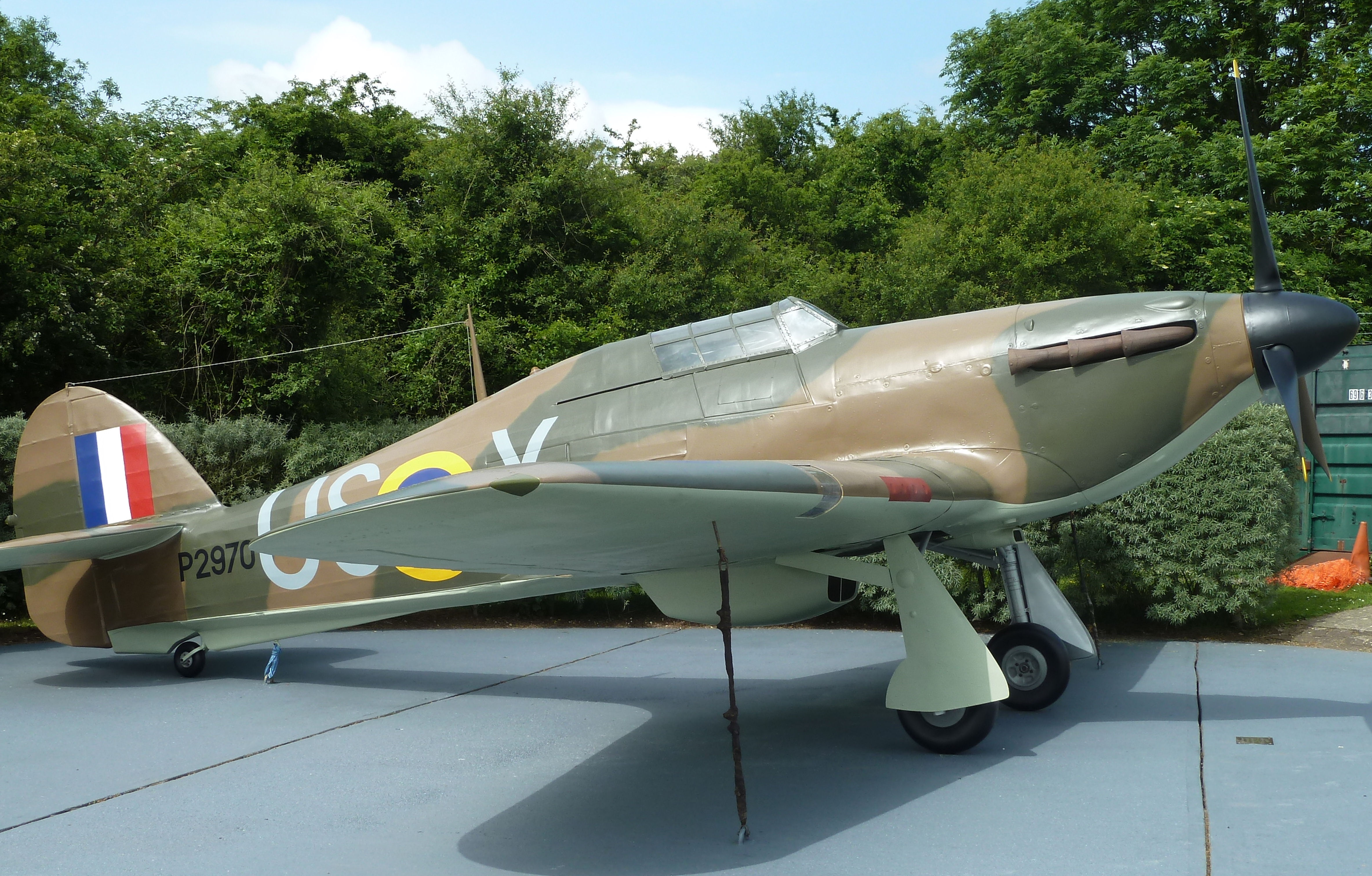
Hurricane replica - Battle of Britain Memorial, Capel

Hurricane replica – Battle of Britain Memorial, Capel

Sunday 15 September was the climax and is now annually celebrated as Battle of Britain Day. 500 German aircraft, 250 in the morning and 250 in the afternoon, made their most determined assault on London. Hurricanes and Spitfires heavily engaged them over the Channel, but again many succeeded in penetrating the defences by sheer weight of numbers. Bombs were dropped on Dover and shells ripped through the town killing and injuring as well as causing devastation. However, 185 of the enemy’s machines were destroyed that day, in actions that were described by Winston Churchill, the Prime Minister as ‘the most brilliant and fruitful of any fought upon a large scale up to date by fighters of the Royal Air Force.’ In Germany, Operation Sea Lion was postponed indefinitely on 17 September.

Batteries, Western Heights. David Collyer.

Batteries, Western Heights. David Collyer.

Despite this crushing reverse German bombers continued their daylight attacks on the London until 5 October. During this period three major assaults were made, 27 September, 30 September and 5 October leading to a German loss of 205 planes. It had become apparent to the German High Command that relatively few bombers actually reached London for as soon as they started to cross the Channel they were met by the force of British fighters and ground artillery.

Thus, the Germans opted for a tip-and-run strategy using only fighters and fighter-bombers, mainly Messerschmitt 109s and 110s. Whenever they met a British fighter they jettisoned (tipped) their bombs and made off (run) as fast as they could. One such attack, on 7 October, wrecked St James’ Parish Hall, St James’ School, the Golden Cross pub, a shop and several private houses in the area. William Ashdown and Benjamin Botten had been repairing the road in St James’ Street and died of their injuries. The following day saw more lives lost in Dover to these attacks.
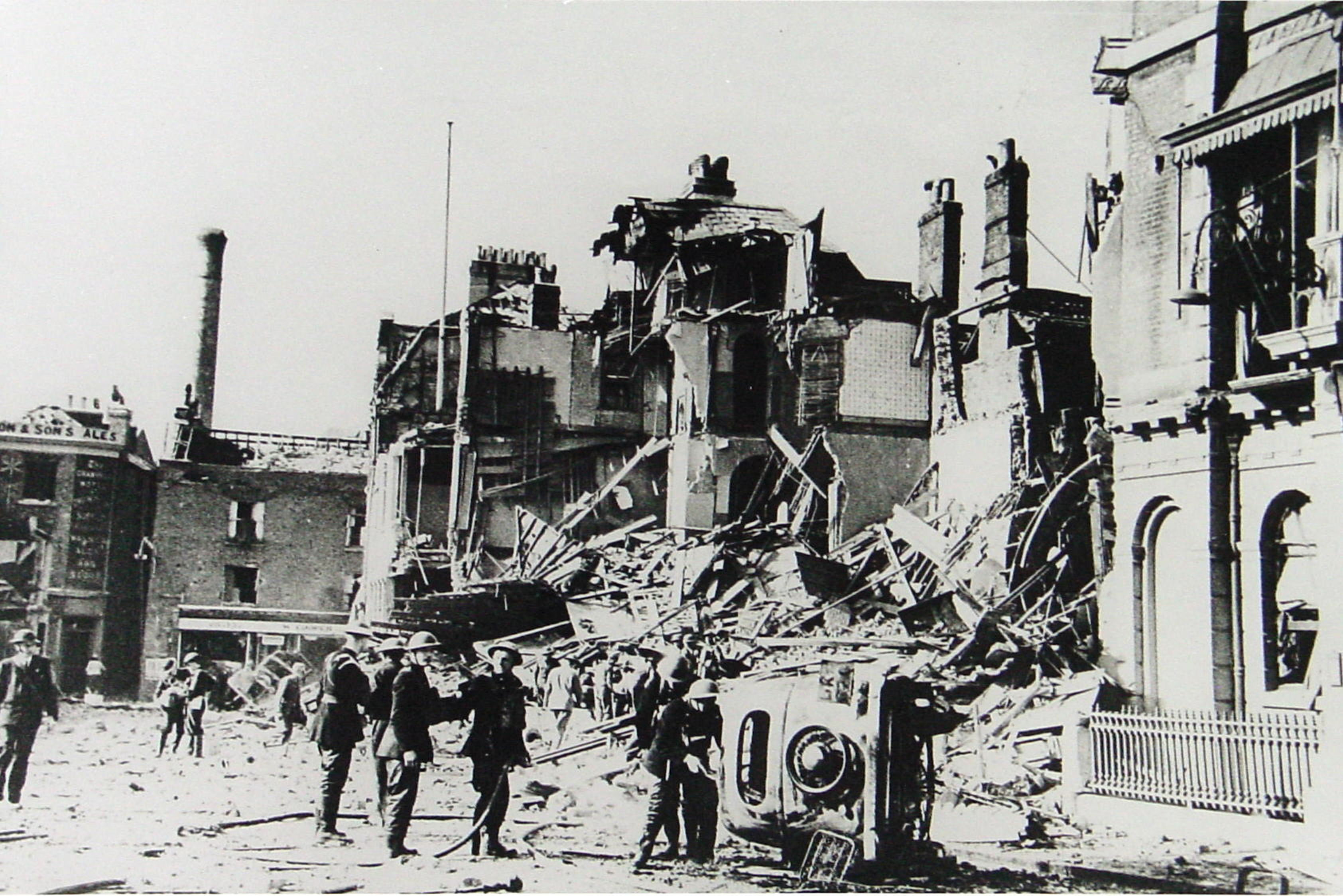
Wellesley Road looking towards Townwall Street. Dover Library

Wellesley Road looking towards Townwall Street. Dover Library

The Battle of Britain officially ended on 31 October by which time over 50 civilians as well as many Service personnel had lost their lives in the town. Another 200 people had been injured. There were 2,927 men actively involved in defending Britain’s air space. Between 8 August and 31 October they destroyed 2,375 enemy planes with ‘Old Pharosian’ (attended Dover County Boys School – now Boys’ Grammar), Eric Simcox Mars, born in Dover on 9 July 1920, claiming the greatest number of enemy aircraft hits during the Battle.

However, 544 of The Few lost their lives and 358 were wounded. A further 791 were killed in action or died during the course of duty before the war ended, including Eric Simcox Mars in 1941. The Prime Minister, Winston Churchill, expressed the feeling of the nation when he said: ‘The gratitude of every home in our island, in our Empire, and indeed throughout the world, except in the abodes of the guilty, goes out to the British airmen who, undaunted by odds, unwearied in their constant challenge and mortal danger, are turning the tide of the world by their prowess and by their devotion. Never in the field of human conflict was so much owed by so many to so few.’

Keith Gillman killed 25.08.1940 in the Battle of Britain

Keith Gillman killed 25.08.1940 in the Battle of Britain

One face, more than any other, epitomised ‘the Few’, during that summer, it was of Pilot Officer Keith Gillman, who was used by the Air Ministry in their advertising campaign. Keith came from River and also an Old Pharosian. The caption under his photograph – which cannot be reproduced due to copyright – in the Picture Post read, ‘RAF Will Decided our Fate. This smiling young airman and his fellow pilots, whose superiority over the enemy in proportion to their numbers has become significant in the recent campaign. Wherever they have appeared they have easily driven of the enemy dive bombers.’ Pilot Officer Gillman was the first pilot from his squadron to be lost in the Battle of Britain; he was 19 and died on 25 August 1940.

Lone Pilot looking out to sea. Battle of Britain Memorial CapelCapel. AS 2013

Lone Pilot looking out to sea. Battle of Britain Memorial Capel

The Battle of Britain Memorial, Capel-le-Ferne just outside Dover, was opened by the Queen Mother, Lord Warden of the Cinque Ports, in 1993 and dedicated to the 69 squadrons who took part in the epic battle in 1940.

  • Published:
  • Dover Mercury: 15, 22, 29 July and 5 August 2010
Posted in Armed Services, Battle of Britain 1940, Battle of Britain Memorial - Capel, Tourism | Comments Off on Battle of Britain 1940

William George Lewis and the great Dover Scandal

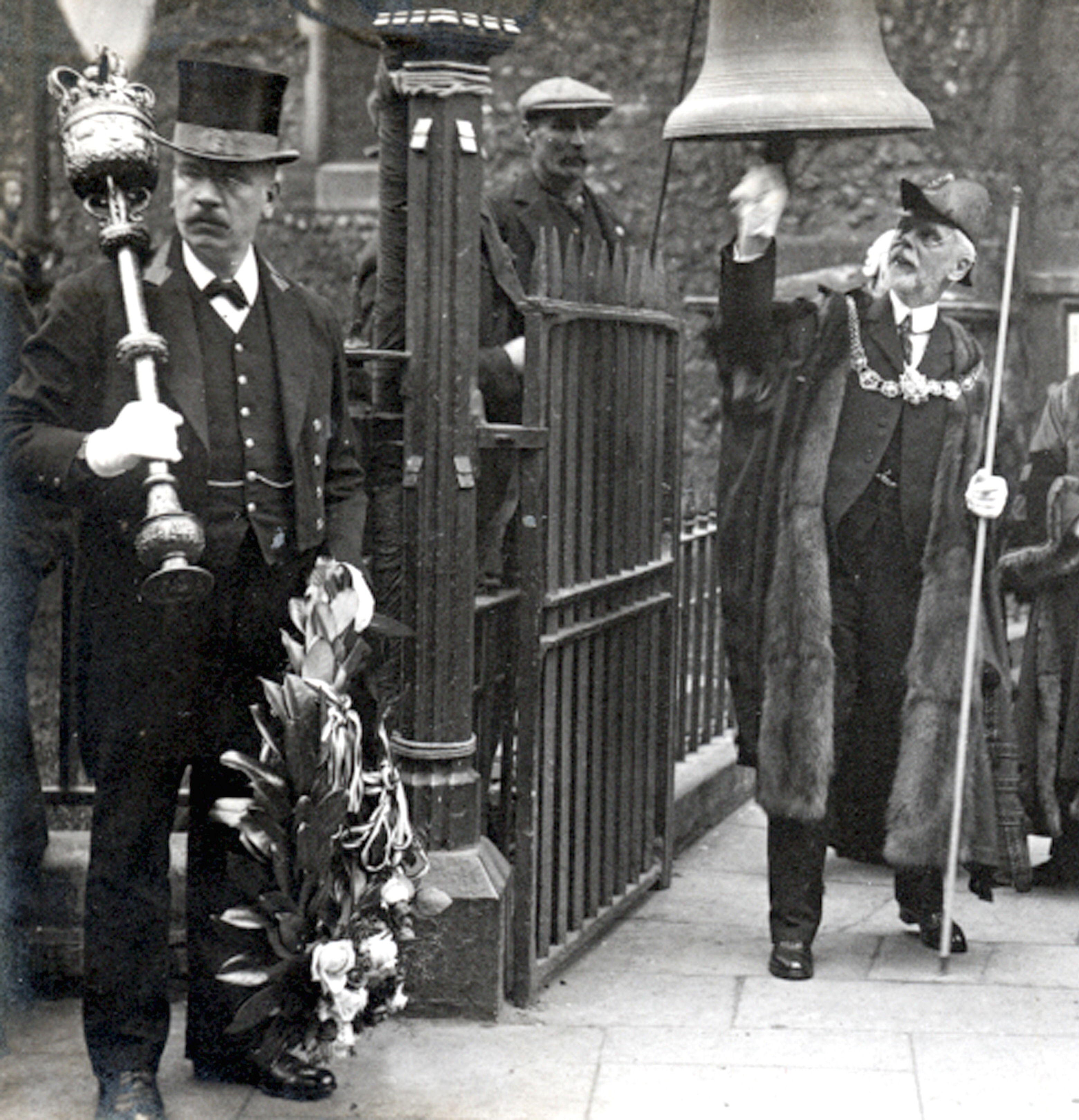
Mayor W George Lewis ringing Zeebrugge Bell 1923 - Courtesy of the Farley Family

Mayor W George Lewis ringing Zeebrugge Bell 1923 – Courtesy of the Farley Family

W. George Lewis’s company built 5 Cranbrook Villas, London Road, Buckland, where he lived. In fact, his company built many of the late 19th and early to mid-twentieth century houses in that area.

William George, or George or WG, as he seems to have been personally known at the time, was born on 16 May 1850. His father was a bricklayer living in Charlton and WG married Ann Maynard, in Dover, in 1871. Three of their children, two girls, Ellen and Alice and a boy, George Frederick (known by his middle name), survived to adulthood. WG was said to be a genial man and noted for his love of flowers – he always had one in his buttonhole except when wearing his chain of office as Mayor.

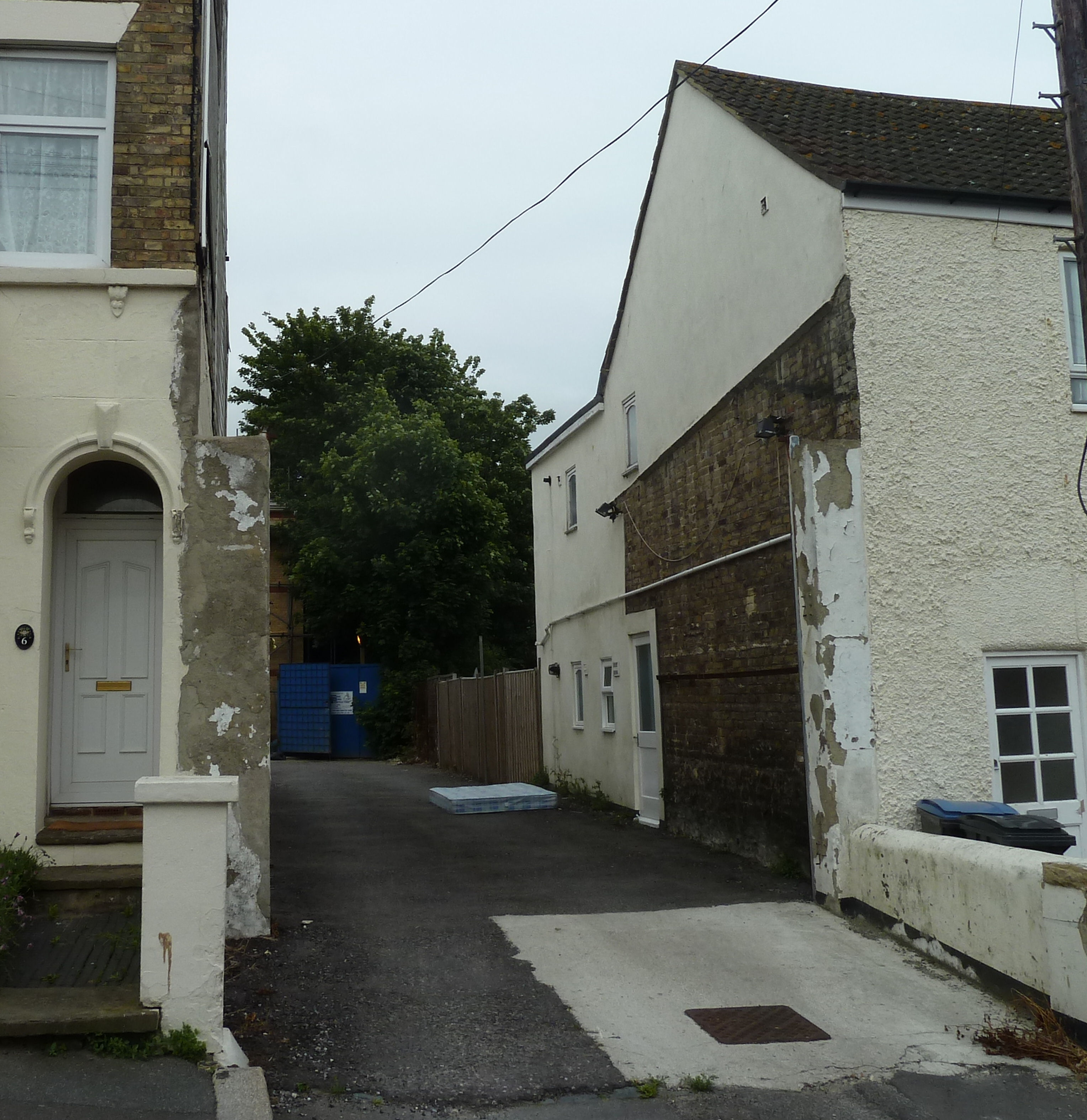
The former George Lewis's builders yard entrance, Wildred Road 2013

The former George Lewis’s builders yard entrance, Wildred Road 2013

Establishing his building business in 1879, when Dover was rapidly expanding, the firm’s headquarters was in Lewis’s Yard, Widred Road, Tower Hamlets. The site is now a small housing development. As WG’s business grew so did his reputation and in 1898 he won the contract to build Barton School. This was to accommodate 440 boys, cost of £3,500 and the Boys’ school eventually opened at the end of January 1903 for 240 boys in four classrooms. The funding was provided through charities connected with St Andrew’s Church, Buckland but was later Dover Corporation purchased the school.

In 1891 WG, who regularly attended St. Andrew’s Church, was appointed a churchwarden – a position he held for the next 34 years. In November that year he stood, unopposed, for the Town Council representing Castle Ward. At the time, the Ward had 4,362 electors and stretched from the seafront along the Dour almost to River. It was represented by two seats on the council.

Two years later WG fought the first of two elections that were contested. The first was a three cornered fight for the two seats with WG and another Conservative against Independent, Ernest Chitty. Both WG and Chitty were elected. In 1897 and 1900 only two candidates stood, WG and another Conservative. The 1904 election was the second one WG faced opposition and it was also the one that led to an official Hearing into the Great Dover Scandal!

To understand how this came about, we need to go back to the beginning of the nineteenth century. At that time, there were very little educational facilities for the poor folk of the town. However, as the century progressed, the Anglican Church provided most schools for the poor.

Barton Road School built by W G Lewis and opened in January 1898

Barton Road School built by W G Lewis and opened in January 1898

Following the Elementary Education Act of 1870, the government provided grants for elementary education but in Dover, the School Managers could not see the necessity of applying. The Church of England Schools Company was set up and raised funds for the building of Granville Street Boys’ School (1875), St Bartholomew’s School (1881), Charlton Girls’ School (1882 extended 1898) and the one that WG built, Barton Road Boys’ School (1898).

However, before the century was out an independent report stated that there was insufficient accommodation in Dover schools to meet government requirements. The schools in existence were poorly equipped, lacked playgrounds and were deficient in sanitary arrangements. The council was obliged to rectify matters. Of note, in 1871 the Roman Catholic Church in Maison Dieu Road had a school attached and in 1901, the Methodist Church in London Road opened with a school attached. Neither of these came in for criticism.

The 1902 Education Act established countywide Local Education Authorities (LEAs) in order to unify the elementary school system and Dover received a grant of £10,000 from the Kent LEA. With it came the recommendation that the council, through the rates system, provided a further £2,500 to bring Dover schools up to standard.

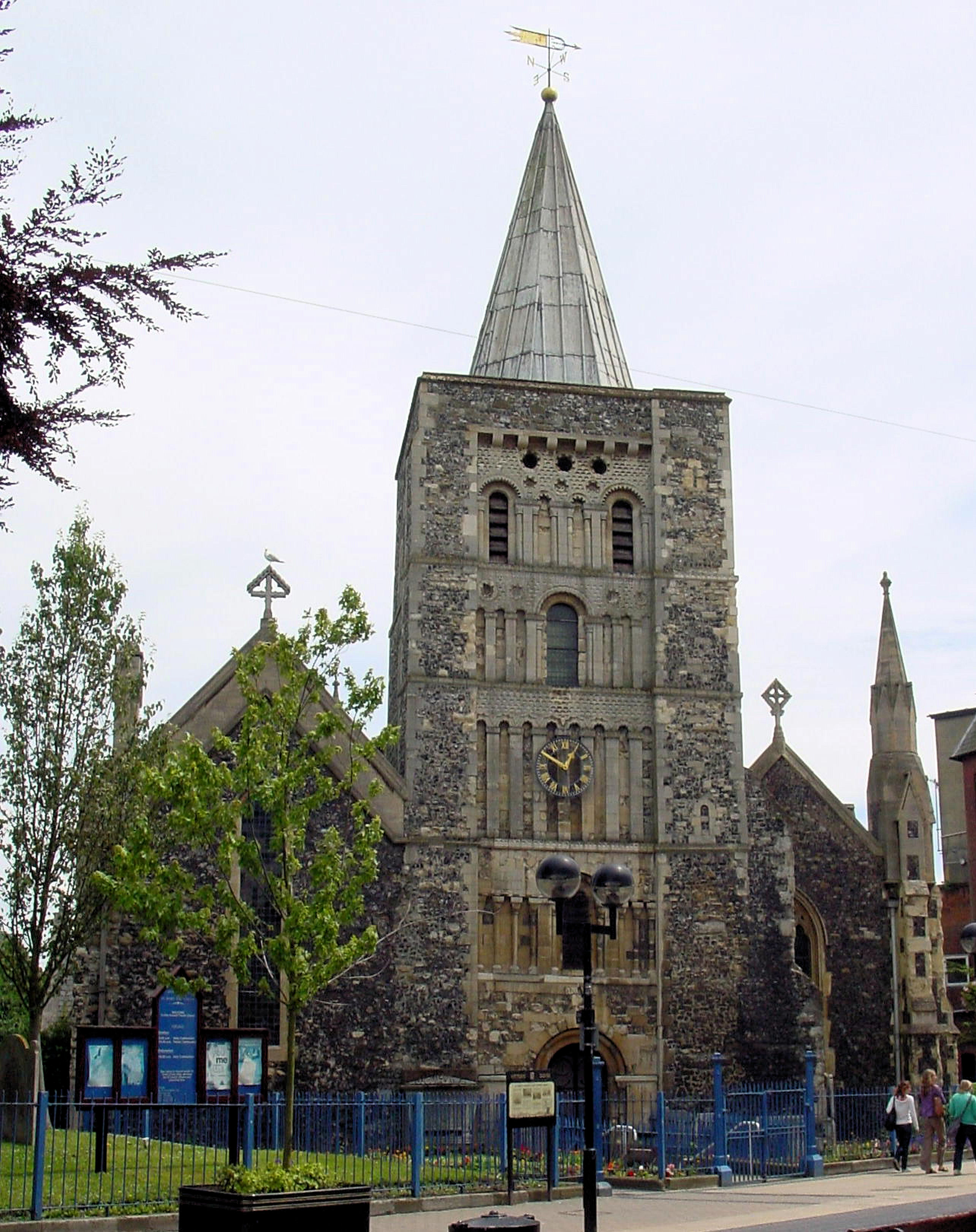
St Mary's Church, Cannon Street.

St Mary’s Church, Cannon Street.

There was an immediate and loud public outcry and when the Rector of St Mary’s Church recommended that a further £9,000 should be raised to build new schools at Elms Vale and at Buckland, he was advised to take a rest. He was then packed off to the south of France!

Nonetheless, the LEA agreed with the Rector and Dover Corporation was obliged to set up the Municipal Education Committee (MEC). They were to oversee the provision of elementary schools for 600 children up to the age of 13 in the Elms Vale area, 300 infants in the Buckland area and 50 places in the Pier District. At the time, the Conservatives were in power and headed by Sir William Crundall (1847-1934).

The Church of England Schools Company built Barton Road Infants (1902) and St Martin’s, Elms Vale (1903). These were classed as Church schools under the new Education Act even though administered by the MEC. The cost to the ratepayers of Dover was about 2d in the £. This, in itself, caused another public outcry that was only alleviated when the MEC announced that all head teachers in the borough had to be practising Anglicans and religious instruction was to conform to Anglican teachings.

The reaction to this was a furore of indignation by Dover’s Roman Catholic and Nonconformist communities … but this was ignored. Ernest Chitty, who had been elected as an Independent with WG in 1893, was also a local solicitor and an active Nonconformist. He set up a local paper called the Dover Times, in which he implied that the Conservatives, whom he referred to as the Crundall Party, entertained corrupt practices. He hoped that Crundall would sue so that he would be able to put over the frustrations of the Nonconformists in court. Crundall did not rise to the bait.

On 2 November 1904, municipal elections were held and WG stood for the Crundall Party in Castle Ward along with fellow Conservative, Arthur Walmisley. At the time, they were deputy Mayor and Mayor respectively and it was expected that the election would again be uncontested. However, at the last moment Ernest Chitty and Henry Edwin stood as Independents. Chitty was beaten by 24 votes and Edwin by 262.

Immediately, Chitty lodged a petition alleging that WG and Walmisley, by their agents, were guilty of questionable practices and claimed he had 200 witnesses. The practices he referred to included the, ‘illegal use of conveyances, bribery and treating’. Although accused of ‘malicious jealousy’ by the Crundall Party, (a phrase still favoured today by Dover’s local politicians against their adversaries),  Chitty pursued his claim.

The Government appointed George Sills, the Recorder of Lincoln, to Hear the case and because of the seriousness of the allegations, a Public Prosecutor was also appointed.

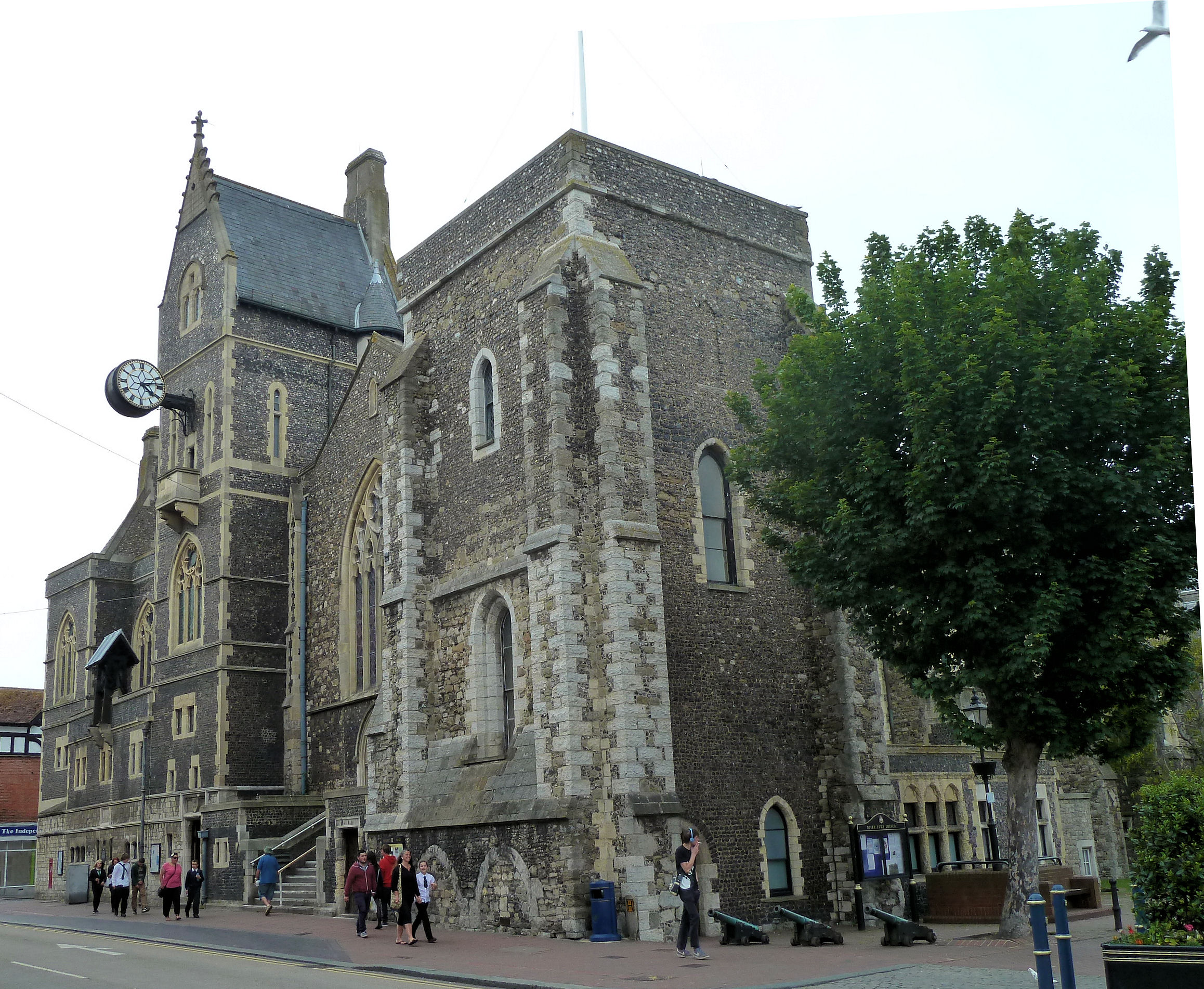
Former Dover Town Hall where the Hearing took place.

Former Dover Town Hall where the Hearing took place.

The Hearing took place at the then Town Hall, now the Maison Dieu, and lasted three days. It was well reported. Chitty stated that voters were given 2s (10p) to go to polling stations in carts covered with posters of the two Conservative candidates. These voters were picked up from Yeoman’s barber’s shop, 105, High Street; Primrose Hall, Union Road; Imperial Crown Inn, Tower Street and the Tower Inn, West Street.

None of the witnesses denied this; indeed their main contention was that they had been under-paid compared to previous occasions! It was evident that bribery was standard practice and Commissioner Sills found that bribes had been given in 43 cases. He declared the election void and both WG and Walmisley were barred from holding municipal office for three years.

The verdict appalled locals, not because of the scandal but because bribery was no longer allowed! They made there anger felt at the following bye-election for Castle Ward on 25 February. Chitty and Edwin were soundly thrashed by two new Crundall candidates. In the meantime, Sir William Crundall filled the post of Mayor.

WG remained a prominent member of the Dover Conservative Party and on the death of Alderman William Adcock, in 1907, he was elected Alderman. He remained an Alderman until November 1922 so never had to stand for election again. During those years WG was the Chairman of the Public Health Committee and, for a period, Chairman of the Overseers.

He was also appointed a Municipal Charter Trustee, a Manager of Buckland, Barton Road and Charlton Schools, and a member of the Dover Elementary and Higher Education Committees. As a member of the Committee of Dover’s Gordon Boys’ Orphanage, WG helped to reorganise the institution and in 1922 was appointed a Justice of the Peace.

Dedication plaque to William George Lewis 1850-1924 and his wife Ann in St Andrew's Church, Buckland. LS

Dedication plaque to William George Lewis 1850-1924 and his wife Ann in St Andrew’s Church, Buckland. LS

In November, that year WG was elected Mayor but his year in office was first marred by the loss of his wife Ann, on 12 January 1923. Then there was the Pencester Meadow controversy. At the time the country was faced with high unemployment and the Government were providing funds for council sponsored projects that provided work. The previous year the Council had agreed to purchase the 3½acres Pencester Meadow in order to provide work as they had already purchased the adjacent Stembrook tannery site for approximately £1,100. Together with the Meadow, they reasoned, the whole area could be laid out as a municipal park.

The Meadow was advertised to be sold at auction on Thursday 23 November 1922, just after WG had been proclaimed Mayor. However, the Council did not have any money of their own to put in a bid. They rationalised, on the basis that due to the high level of unemployment in the town, the Ministry of Health would provide an unemployment relief grant. Thus, they agreed to put in a bid and hired a man to act incognito on their behalf. His remit was not to exceed £3,500. At that time, the Ministry of Health was the department that handled the Unemployment Relief Fund. At the auction was local business man and keen aviator Murray Armstrong Payn (born 1909), who was also interested in the site with the two men bidding against each other until the Council’s agent backed down at £5,000!

Payn, on realising what had happened, offered to sell the land to the Council for the amount he paid but as they did not have the money, they put in a request for a grant to the Ministry of Health for £7,920. That was £5,000 for Pencester Meadow and £2,920 for it to be laid out. WG reasoned that the Health Minister, Sir Arthur Sackville Trevor Griffith-Boscawen (1865-1946), as a fellow Conservative, would look kindly on the project. However, there was strong local feeling against purchasing the Meadow so Griffith-Boscawen ordered a Public Inquiry.

This was held on 16 March 1923 in the then Town Hall, where the earlier Hearing had taken place, and Inspector M K North presided. The editor of the Dover Express, Russell Bavington Jones (1875-1949) led those who opposed the project. Angry exchanges had taken place in the paper in the weeks before, during which it emerged that the former Dover Mayor – thirteen times and the then present Chairman of the Dover Harbour Board – Conservative Sir William Crundall was the sole owner of the land. This tainted the whole project as being corrupt. However, at the Inquiry Ernest Chitty supported the Council’s stance on purchasing Pencester Meadow and made that clear.

Bavington Jones then argued that money would be better spent on paying the unemployed to repair the town streets that were in a bad state of repair. He pointed out that WG had been particularly persistent in saying that the Meadow was required as an open space for the town’s children, when Dover had a long Seafront and beaches for them to spend their leisure time. He also went into detail on the underhand way the Council had put in their bid for the Meadow, which had pushed the price up. This, he stated, had provided a handsome profit for Crundall. The auction aspect provoked a rebuke on the Council from Inspector North.

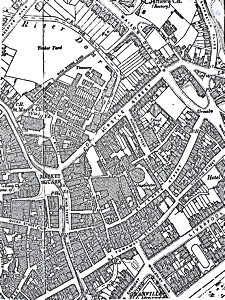
Map of 1890 showing the density of the housing in central Dover, that had not changed much by the time of the Inquiry.

Map of 1890 showing the density of the housing in central Dover, that had not changed much by the time of the Inquiry.

On the stand, WG, as Mayor, acknowledged that the Council were wrong in the way they had bid for the Meadow but pointed out that unless they actually owned the land, they would not have been eligible for a Grant from the Ministry of Health. This was required to provide the much-needed jobs, further, Payn had agreed to sell the Meadow to the Council for the price he paid – £5,000. Therefore, the loan the Council was applying for was to purchase the land in order to provide work for 50 unemployed men for three months. WG went on to say that Pencester Meadow was the only green space in an area of high housing density. At the time the area from Dieu Stone Lane to the Seafront, from Pencester Road to the bottom of Crabble Hill and from Biggin Street westward, including Mount Pleasant and Tower Hamlets, were all densely populated. This, he stated, adding that the elementary schools serving those areas had extremely limited amount of playground space. Thus the Meadow was needed as a future playground for the children from those areas.

WG went on to say that employing locals to create this pleasure facility was far better than the men and their families clogging the streets begging for food and money. Further, if the men still could not find paid employment when the project was finished, then they could be employed by the Council to mend streets. This though, he said, would mean the rates would have to be increased to pay their wages, whereas a loan for the Pencester Meadows project would include the men’s wages and spread the repayments for the cost of the purchase and laying the grounds, over a number of years.

Finally, WG acknowledged that Dover did have a long Seafront but added that the War Department had laid the Seafront Railway in 1918. Following World War I (1914-1918), the Dover Harbour Board had taken over the Railway with the intention of covering the Seafront with docks, warehouses and industrial developments along its course. Although this was confirmed by Crundall, it raised loud heckles from those who opposed the Council project especially as the Inspector appeared to indicate that he was not convinced.

Inspector North’s decision, on behalf of the Ministry of Health was published before the end of April 1923 and gave approval to the project. This included the provision of a £2,900 loan repayable over 20 years in order to lay Pencester Meadow out as a play area and gardens. Consent was also given for a £4,200 loan, repayable over 50 years, towards the £5,000 cost of buying the Meadow. Bavington Jones probably correctly interpreted this as the Inspector telling the Council that he did not approve of the way they had tried to purchase the land in the first place. Although WG and the Council were jubilant they still required £800 to purchase the site.

Pencester Gardens today. LS

Pencester Gardens today. LS

Over this, Payn came to the rescue by suggesting that the Council paid him £4,200 for the Meadow and the outstanding amount over the following eight years. WG, on behalf of the Council, accepted the offer and it was expected that work would begin. However, when the Council received the details of the land they had bought, it transpired that Crundall’s agents had included Pencester Road in their measurements! After heated negotiations with both Payn and Crundall’s solicitor, Crundall refunded £600 and work began on what was renamed Pencester Gardens in 1924!

On 23 April 1923 WG rang the Dover Patrol’s Zeebrugge bell housed under a canopy outside the front of the then Town Hall, now the Maison Dieu. This is an annual event held in Dover in memory of daring raids on the Belgium Zeebrugge and Ostend outlets of the Bruges U-boat base during World War I. Shortly after, he became seriously ill requiring an operation that was carried out at the Dover Nursing Home, Coleman House, on Brookfield Avenue. Following a short convalescence WG returned to his official duties but remained unwell.

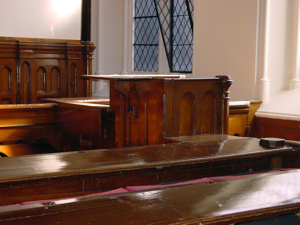
Witness stand in the former Court Hall in the Town Hall now the Maison Dieu. Alan Sencicle.

Witness stand in the former Court Hall in the Town Hall now the Maison Dieu. Alan Sencicle.

In November 1923, the Mayor’s Badge of Office was handed over to Richard John Barwick (1875-1966) and in February 1924, WG was given the town’s highest honour. He was made an Honorary Freeman but on Easter Monday, while sitting as a Magistrate in the very Court where both Inquiries had taken place, he complained of a cold. The following day his condition deteriorated. WG died on 2 May and is interred in the family vault at St Andrew’s Church, Buckland.

Following WG’s death, his old adversary, Ernest Chitty, gave a moving speech in which he described him as a most kindly and courteous man and that he knew privately of WG’s many benefactions and kindness to the poor people in the town, including providing work for the unemployed.

First published in the Dover Mercury: 16 May 2013


Posted in Businesses, Lewis W George - Building Contractor, Lewis W George and the Great Dover Scandal, Local Government | Comments Off on William George Lewis and the great Dover Scandal

New Bridge House and the Gas Explosion

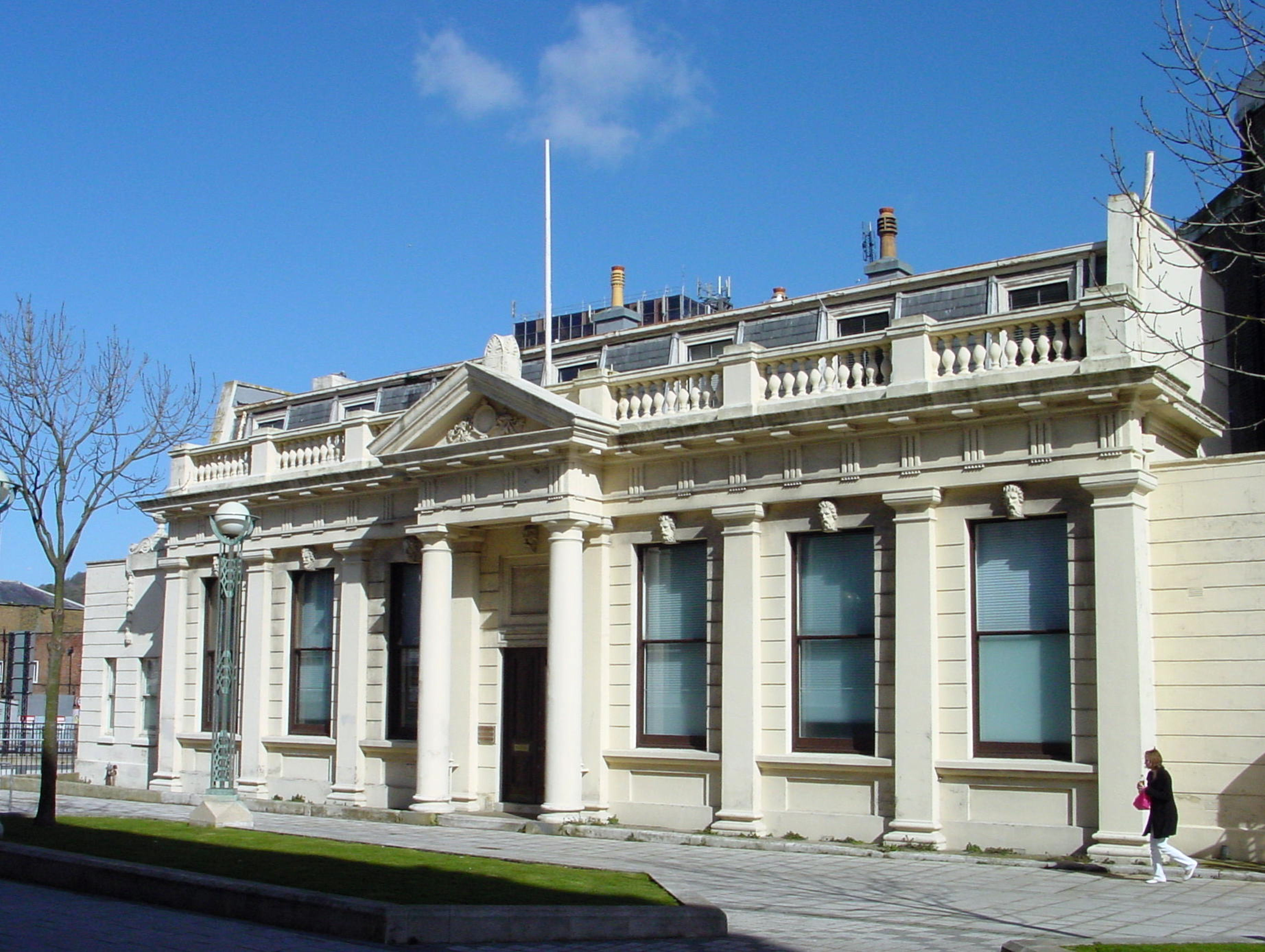
New Bridge House

New Bridge House

In 1864, the National Provincial Bank Company, later National Provincial & Union Bank, had offices were in Snargate Street, now the Masonic Lodge. That year the Bank acquired the plot of land between the Dour and Camden Crescent and from the outset, they planned a building worthy of the fact that their Chairman was from Dover.

Dover’s Fector Bank, owned by John Minet Fector jnr., in 1842 amalgamated with National Provincial. After Fector changed his name to Laurie (his mother’s surname), he was appointed Chairman of the new, larger, bank. He held this position until his death on 24 February 1868.

New Bridge House - detail showing one of the decorative heads

New Bridge House – detail showing one of the decorative heads

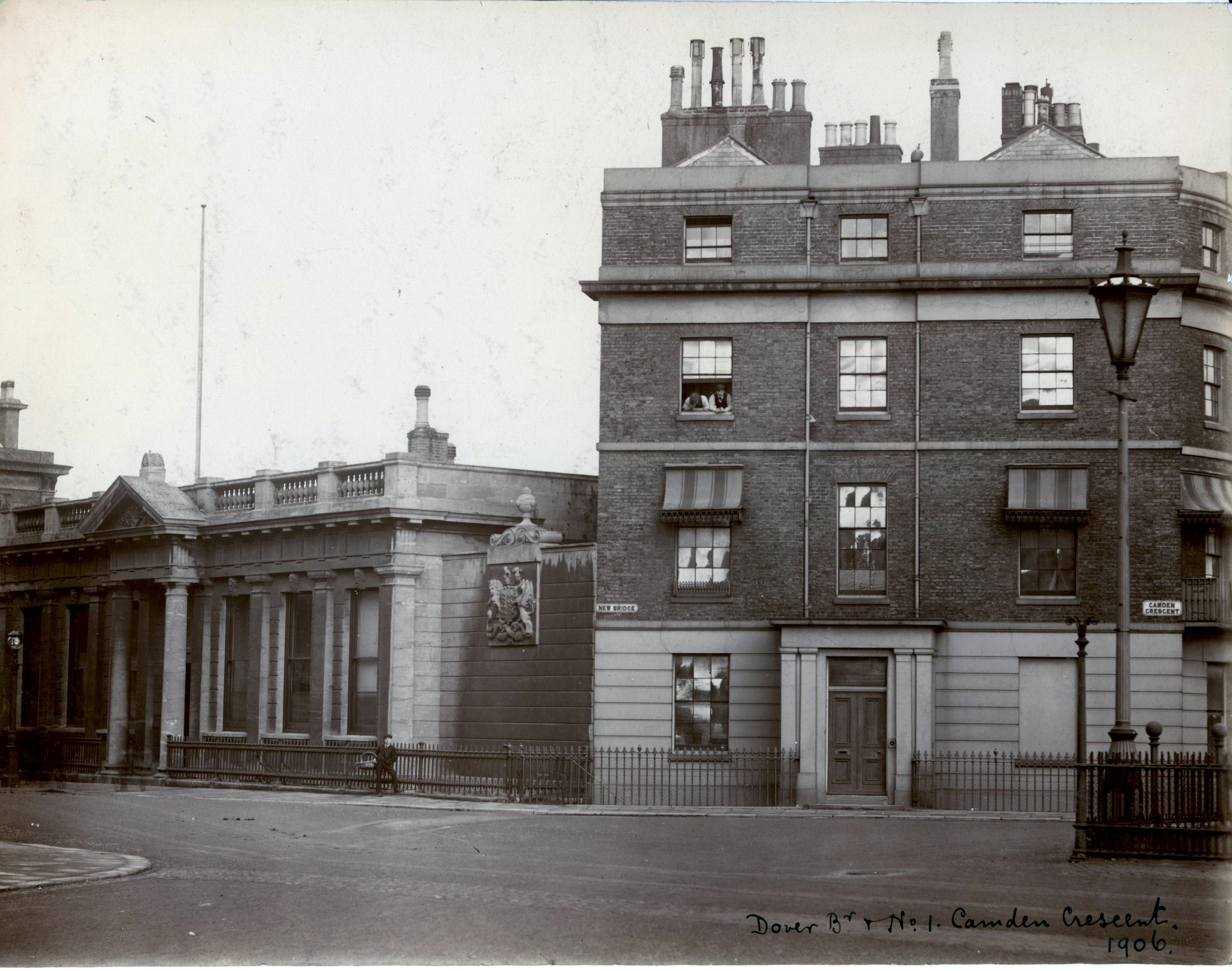
Local architect in private practice and the town’s surveyor, Rowland Rees, designed the handsome single-storey building of rusticated stucco with a central pediment porch. The roof is supported by columns, flanked by recessed portions with urn finials and swags beneath. The building is embellished by decorative heads, probably made locally as there are other, similar ones, around the town. The builder was a Mr Matthews, and the Bank opened for business on 2 March 1865. The company also purchased 1 Camden Crescent as the manager’s residence.

In 1893, the Bank was undergoing a thorough makeover carried out by Herbert Stiff’s company. They were Dover iron-founders, builders and contractors. By the end of July, it was almost complete as the new counters were finished but shelves were still being put up in the strong room. The strong room was at the back of the building and Herbert Stiff was particularly proud of its new door. This was made of iron from his foundry, and mounted with what looked like two beautifully carved wooden doors, also made in his workshop.

Part of the renovation included the installation of electric lights to replace the gaslights that had been put in when the bank was first built. In the strong room the gas pipe ran from above the door up to the and then along the ceiling, from which, in the centre of the room, a pendent was suspended and mounted by two gas pendent lights using ball and socket joint so that they could be moved. The pendent was just less than 6-feet (1.8metres) from the ground and about the same length from the burner to the ceiling. The only ventilation, in this space, came from two closed small windows near the ceiling. These overlooked the outside lavatory.

19th Century Gas Mantles - courtesy of Barry Wilkinson.

19th Century Gas Mantles – courtesy of Barry Wilkinson.

At about 21.00hrs on Friday 21 July 1893 James Malone, the company’s electrician, with the help of Manfred Kemp, put scaffold up in the strong room so that Malone could install the electric light fittings first thing the following day. The scaffolding consisted of two ladders one at each end of the room with two 14-foot (4.3 metres) boards resting on them.

Although the scaffolding did not touch the gas fittings, Malone moved the mantel of one and commented on how ‘free’ it was. He also commented on the intense heat in the space above the mantle and a slight smell of gas from the jets being lit all day. It was because of this he wanted to start work early the following morning. In the room was Edward Hemmings, one of the clerks, who later reiterated the whole conversation.

When the men left, Hemmings checked the room for the smell of gas. He was particularly concerned for the previous Tuesday, Beedon, the bank’s messenger, had said there was a smell of gas outside of the lavatory. Hemmings immediately sent for a gasfitter who found two small holes in a pipe where the men had been putting up new shelves. After the leak was fixed, the smell of gas was no more.

On Saturday morning, Beedon arrived at 06.30hrs to open the bank and Kemp was already waiting outside. Beedon led the way into the strong room and commented on the scaffolding as he lit the gas mantle. Kemp climbed the scaffolding to check if the area was still hot, it had been a warm night, and it was. He said that there was still a whiff of gas so went to fix the under-counter light fittings in the main hall instead. Beedon stayed in the room, checked for the smell of gas, decided that he could not smell any and left.

National Provincial Bank, New Bridge House after 1893 refurbishment. Reproduced by kind permission of The Royal Bank of Scotland Group © 2013

National Provincial Bank, New Bridge House after 1893 refurbishment. Reproduced by kind permission of The Royal Bank of Scotland Group © 2013

By this time William Redman, Stiff’s foreman, had arrived and had spoken to both Beedon and Kemp. He then checked for gas by climbing up to the strong room’s two small windows that faced the outside lavatory. He thought that he could smell gas but not strongly and went to check the strong room. He did not climb the scaffolding as he could not detect any smell of gas below the mantle. Nonetheless, Redman went to get a gas fitter from Stiff’s workshops, leaving both the strong room and front door of the bank partially open.

In the bank, Beedon was getting on with his work when suddenly there was a roaring noise, an explosion like the firing of cannon and along with some of the bank’s windows, he was blown out of the front door followed by three workmen, who landed on top of him. Simultaneously the roof heaved off the building’s solid sides, the balustrade at the west end blew off. A cloud of smoke and dust filled the air. Fragments of plate glass scattered in every direction, striking the houses in Cambridge Terrace and injuring a number of passers by.  These people later stated that following the explosion there was a sulphurous smell.

National Provincial Bank manager's house 1 Camden Crescent 1906 .Reproduced by kind permission of The Royal Bank of Scotland Group © 2013

National Provincial Bank manager’s house 1 Camden Crescent 1906 .Reproduced by kind permission of The Royal Bank of Scotland Group © 2013

It was 06.55hrs and the Bank’s Manager, William Davey, who lived at 1 Camden Crescent, ran out, and quickly located Beedon. The manager ordered the still dazed Beedon to go at once for the police in order for them to come and secure the Bank.

Initially nobody comprehended what had happened then it was noticed that Kemp was missing. He was found, lying full length on the floor, unconscious. His legs were in an awkward position and he was badly burnt about the face and arms. Kemp was also bleeding profusely from the right side of the head. One of the rescuers lifted Kemp’s head and they could see that his skull was ‘driven into his brain.’  They called for help and a doctor, who lived opposite, was quickly on the scene. An ambulance was called and Kemp was taken to hospital where he later died.

Inside the bank, the upper half of the iron door of the strong room was hanging on one hinge and the lower half was missing.  It was this that had hit Kemp and caused his injuries.

The ornamental ceiling lay on the floor in ruins and there was a wide crack down the wall nearest the Camden Crescent.  The flat roof of the strong room had been lifted and fallen back again covering everything with the debris. Although, it was evident that the strong room was unsafe to enter, the bank’s ledgers were retrieved in order to carry on business. A temporary counting house was set up in the Manager’s house.

Former Dover Town Hall where the Inquest was held

Former Dover Town Hall where the Inquest was held

The inquest opened at the Town Hall (Maison Dieu) on Monday 24 July 1893 by the Borough Coroner – Sydenham Payn. Local solicitors, James Stilwell, appeared for the Directors of the National Provincial Bank and George Fielding for Dover Gas Company.

The victim was 43-years old Manfred Langley Kemp, master carpenter of 24 Bartholomew Street. He was married and had nine children. It was agreed that as Kemp’s body had been identified it could be buried and that the inquest would be adjourned until Tuesday 1 August, during which time further investigations took place.

Prior to the reopening of the inquest, local papers and local gossips made suppositions as to the cause of the accident. By 1 August it was a foregone conclusion that the gas through the mains had been at an abnormally high pressure due to the seafront being illuminated. This, so the gossips said, loosened a repair to the gas pipe. However, no one could explain why twenty minutes elapsed from when the gas was lit to the time of the explosion.

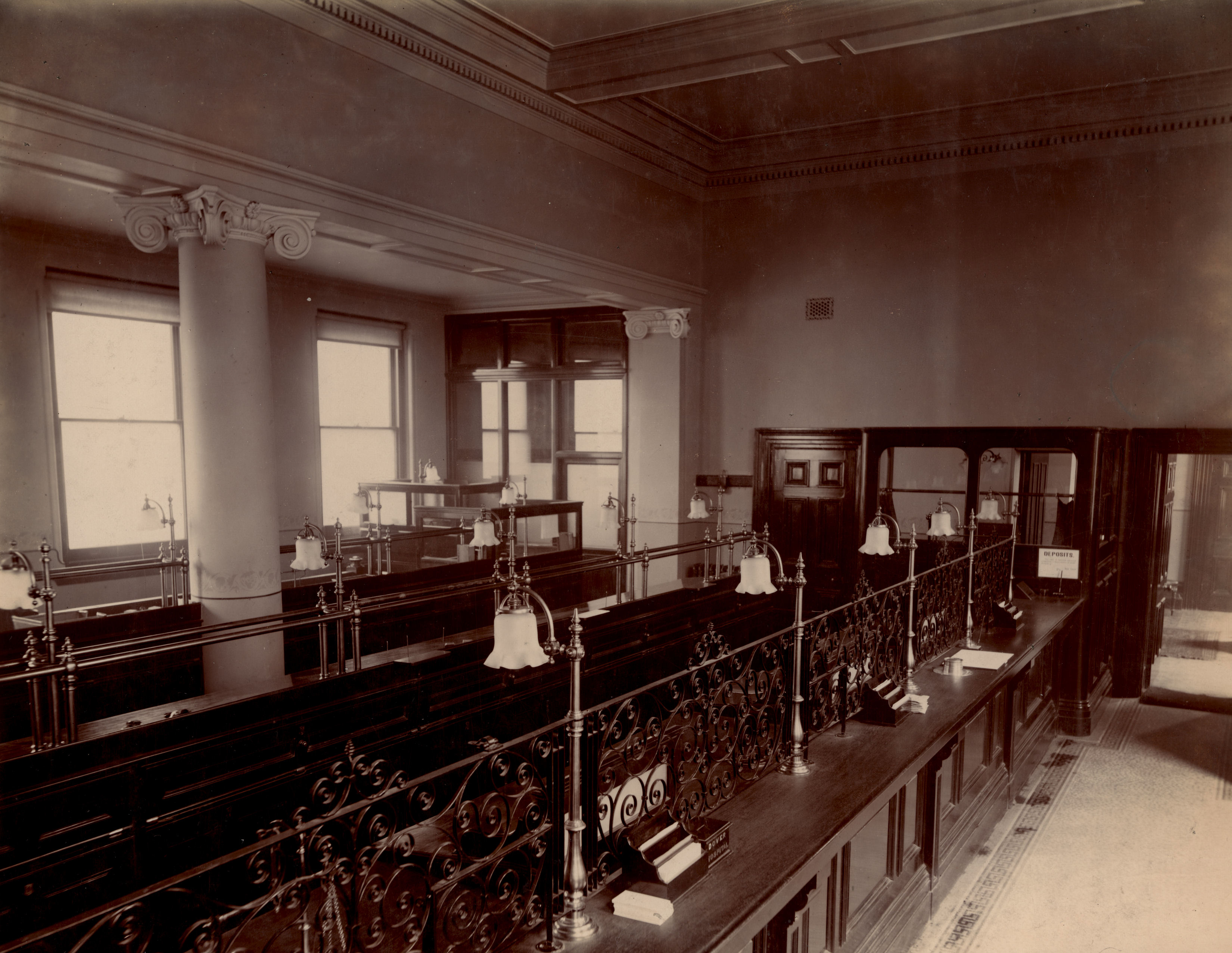
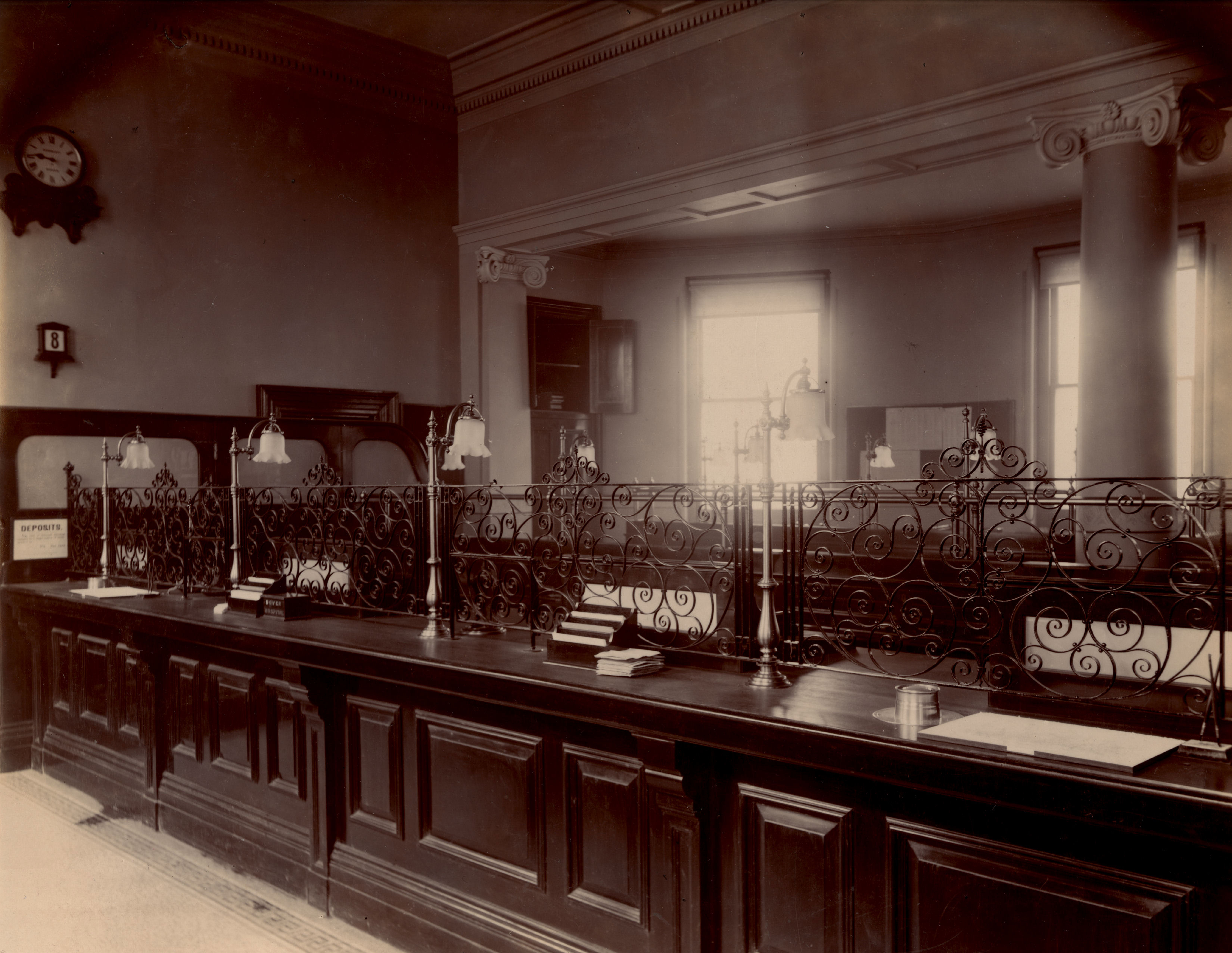
National Provincial Bank, New Bridge House c1893 -1910, note the Dover Hospital collection box on the counter. Reproduced by kind permission of The Royal Bank of Scotland Group © 2013

National Provincial Bank, New Bridge House c1893 -1910, note the Dover Hospital collection box on the counter. Reproduced by kind permission of The Royal Bank of Scotland Group © 2013

At the inquest, Stilwell produced a plan and photographs of the several rooms of the bank and various witnesses gave evidence and were cross-examined. Then Herbert Stiff, the building contractor was called. He said that he found the gas pipe, buried in the debris a few minutes after the explosion. It was broken off just above the ball and socket joint and the arms were broken. He sent this to his workshop and had it fixed to a gas pipe. It was found that there was a considerable escape of gas from the ball and socket joint – some twenty to thirty feet an hour.

Stiff was of the opinion that the leak was in existence before the explosion but that a deposit of verdigris had made the joint tight. This had become dislodged which enabled gas to leak out. Stiff was heavily questioned, but the Coroner dismissed Stiff’s replies as supposition, instructing the jury not to place too much reliance on the evidence.

Finally, Thomas Kirkham, an expert called in by Dover Gas Company, gave evidence. He too had examined the gas fitting and agreed with Stiff, saying that the pendant must have been moved causing the deposit of verdigris round the joint to be removed. He went on to say that, there was a capacity of 1,000 cubic feet at the top of the room above the mantle. To make an explosive mixture the proportion of air to gas would have to be 8 to 1 and he anticipated that the escape was about 10-feet an hour.

When the gas was lit on that fateful Saturday morning, the heat from it would rise and displace the mixture of gas and air. The latter, already warm would gradually move down until it reached the ball and socket joint and the result was the explosion.

The Coroner then briefly summed up the evidence and after a short consultation, the Foreman said the jury were of the opinion that the deceased met his death by the explosion of gas. However, bearing in mind the Coroner’s comments after Stiff had given evidence; he said that they did not consider there was sufficient evidence to show how the explosion occurred.

(On concluding my research, I contacted the Royal Society, who recommended Barry Wilkinson, an expert on 19th century Gas fittings and gas explosions.  His response concurred with the evidence given by Stiff and Kirkham in 1893 and is detailed below. *)

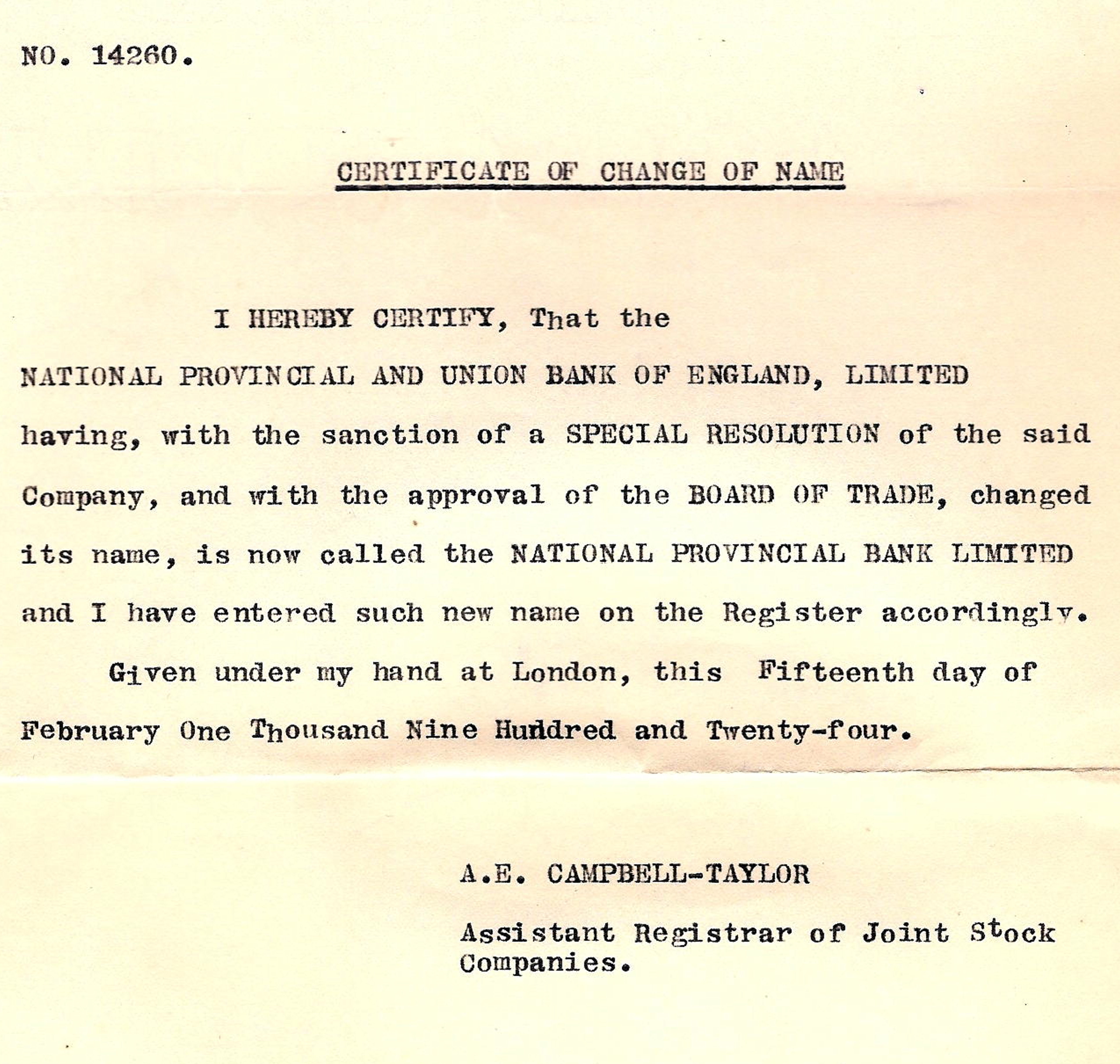
National Provincial & Union name change to National Provincial 1924

National Provincial & Union name change to National Provincial 1924

Following the explosion, the building was reconstructed and returned to its former glory. In 1924, the Bank formally changed its name to National Provincial Bank Limited, dropping the Union Bank of England from its title. Eight years later, on 22 February 1932, the Bank moved to the Market Square and on 14 November that year, Dover Harbour Board moved into New Bridge House. Since shortly after the Harbour Board had been formed in the early 17th century, they had been in Council House Street, in the Pier District. Renaming the building Harbour House, it became their headquarters. However, on 1 September 1940, the building was bombed and also succumbed to shell damage as World War II progressed.

As part of the reconstruction of Dover, following the war, Professor Abercrombie was brought in and New Bridge House was marked for demolition. However, Dover Corporation, using ‘vesting declarations’ under their Redevelopment Plan took possession. The Harbour Board, having undertaken renovations, moved to Waterloo Crescent and in July 1948, the Town Clerk‘s department, under James A Johnson, along with the Borough Treasurers department moved in. The latter moved to Brook House in 1957. After a legal struggle with Dover Corporation’s Town Clerk, James A Johnson, ‘adequate’ compensation was eventually paid to Dover Harbour Board.

James A, as he was called, arrived to take up the post of Town Clerk, coroner and later Registrar of the Cinque Ports, from South Shields in December 1944. He was a formidable character, feared by most, he virtually ruled Dover until the late 1960s. Following the loss face over what became known as the Cowper Road Gate Affair, many of those who had ‘sucked up’ to him before, wielded proverbial long knives. He retired as Town Clerk and coroner in April 1968 and within a year moved away. However, keeping his position as Registrar of the Cinque Ports he still had a desk in New Bridge House and a plaque besides the main entrance. In 1978, four years after the birth of Dover District Council, they removed the plaque. A row broke out with James A refusing to help with the installation ceremony of the Queen Elizabeth the Queen Mother, as Lord Warden in 1979. James A Johnson died in November 1998.

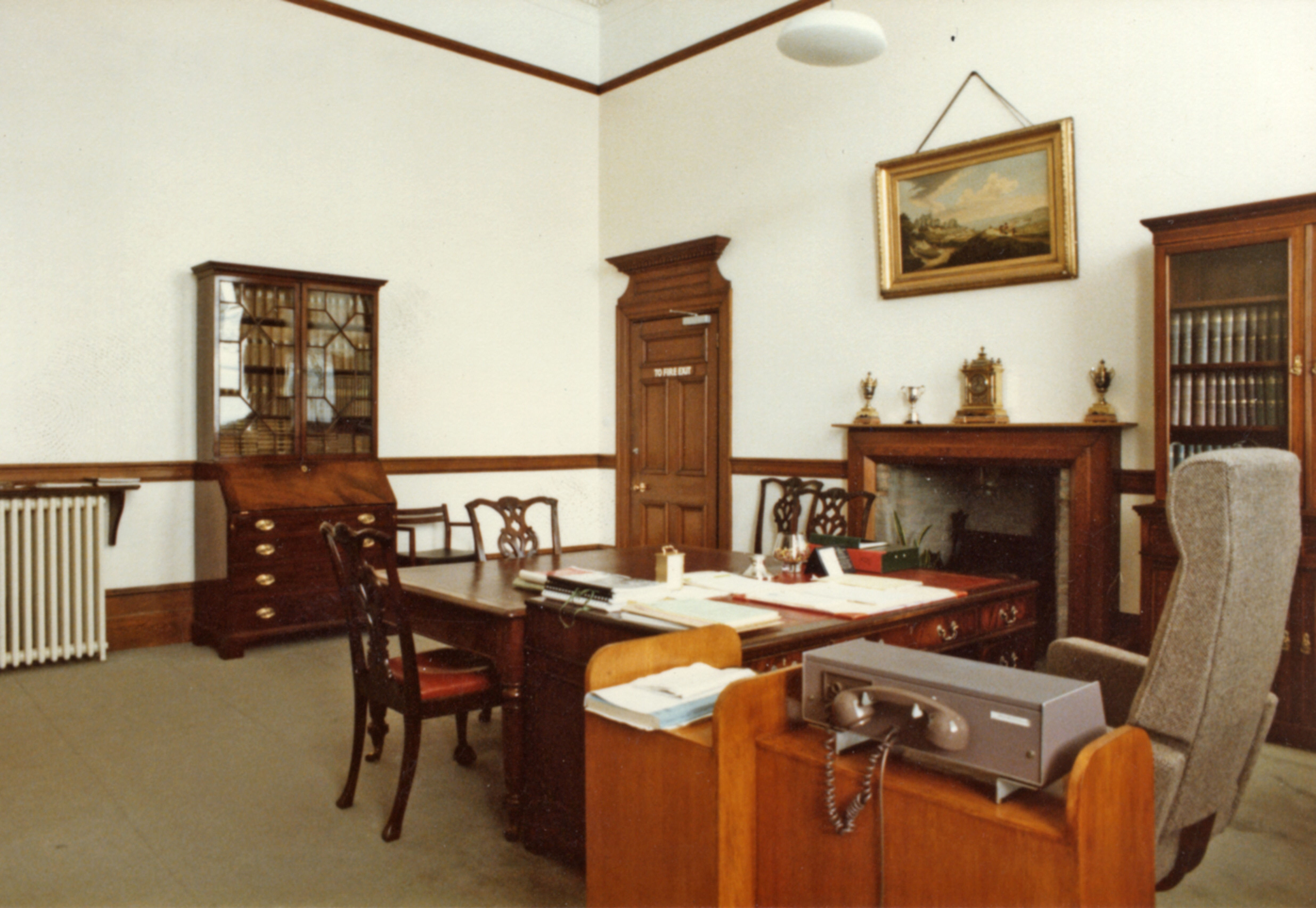
Former Dover District Council Chief Executive Office. Dover Museum

Former Dover District Council Chief Executive Office. Dover Museum

In 1970, the renamed New Bridge House became part of a Conservation area and even though Local Government reorganisation of 1974 caused the demise of Dover’s status as a Borough, the building was designated as the Office of the Chief Executive of Dover District Council (DDC).

Five years later New Bridge House briefly reverted to its original role as a bank for BBC’s television serial, Telford’s Change. Then, in 1985, it was put on the market in preparation for the centralisation of DDC at Whitfield. Since then it has been in the possession of private companies.

* (Above) Barry Wilkinson added:

The evidence it suggests to me that the light fitting with the ball and socket joint had been damaged with all the work going on around it and had come apart – providing a more definite leak than from the joint. It was found damaged, and allowed considerable leakage of gas (note the higher gas pressure that day) which could have happened before the explosion – a lot of work had been going on in the room.

The ignition source must have been from the gaslights. The actual volume of space in the strong room was about 2400 cu ft and the space above the gas lights about half of this (say) 1200 cu ft. The minimum volume of gas required for the explosion was less than 60 cu ft, which would have accumulated near the ceiling above the gaslights.

This would have probably taken between 2 hours and 5 hours to build up from a broken pipe depending on pressure in the gas pipe and degree of damage. There is also the possibility of sewer gas being involved from the proximity of the toilets – sewer gas has similar explosion characteristics as mains gas.

  • Published:
  • Dover Mercury: 17 & 24 January 2013
Posted in Buildings, Businesses, Local Government, New Bridge House and the Gas Explosion, New Bridge House and the Gas Explosion, New Bridge House and the Gas Explosion | Comments Off on New Bridge House and the Gas Explosion

YMCA and Dover

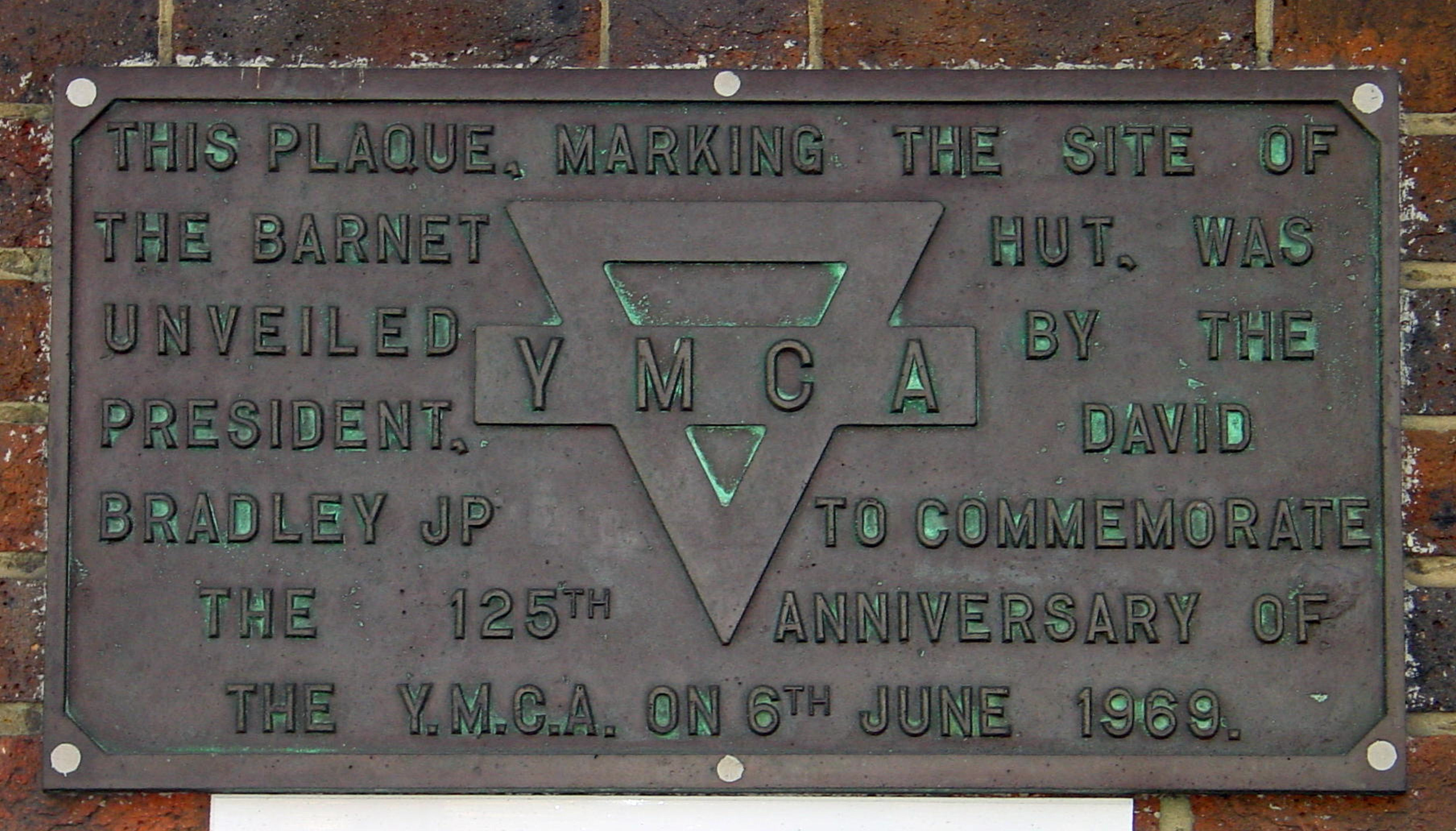
YMCA 125th anniversray plaque - Gateway garages, Townwall Street. Erected 6 June 1969

125th anniversary plaque – Gateway garages, Townwall Street. Erected 6 June 1969

Although, at the time of writing, Dover does have YMCA facilities of particular interest is a plaque behind the Gateway Flats, on the first set of garages after Wellesley Road. The plaque states that it ‘… marks the site of the Barnet Hut and was unveiled by the President David Bradley JP to commemorate the 125th anniversary of the YMCA on 6 June 1969.’

The Young Men’s Christian Association, or YMCA, is a world-wide movement that was founded in London by George Williams, a 23-year-old draper, on 6 June 1844. The aim was to improve the ‘spiritual condition of young men engaged in the drapery and other trades,’ by putting Christian principles into practice. At the time London and other cities in the UK were rapidly growing in response to the industrial revolution.

YMCA logo

YMCA logo

Young men were leaving agricultural villages to find work in the cities but there the accommodation was often poor and squalid, while their social life revolved around pubs and brothels. Non-denominational Christian, the federation’s symbol was, and still is, an inverse red triangle. This represents its mission of building a healthy spirit, mind and body.

By 1851, YMCAs could be found in the US, Canada, Australia, on the Continent, as well as in many towns and cities in Great Britain. At first, they mainly offered Bible Study and companionship but they quickly saw the need for hostels, training schools and colleges as well as sporting activities. Indeed, the origins of basketball, netball and volleyball can be traced to the YMCA.

William Rutley Mowll - photo by Amos c 1880

William Rutley Mowll – photo by Amos c 1880

The YMCA came to Dover in 1856 and in the years that followed, under the active presidency of William Rutley Mowll, regular meetings were held in the Union Hall in Dieu Stone Lane. This was on the middle floor of a three-storey building but in 1894, the association moved to the new, purpose built Union Hall in Park Street.

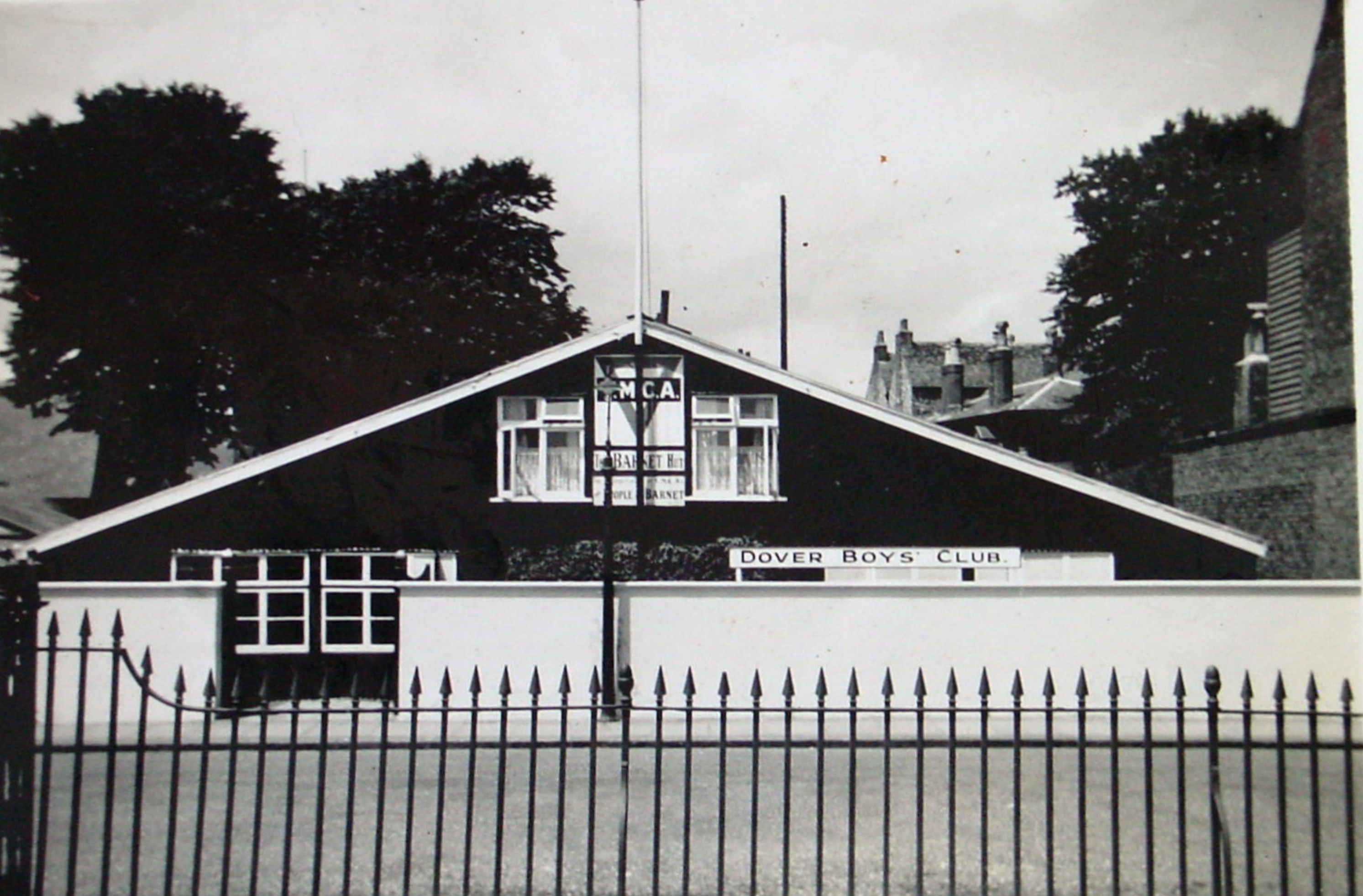
At the time, the local branch did not provide accommodation, however, following the outbreak of World War I (1914-1918), the need became acute. There was a lack of accommodation and social facilities for soldiers stationed and passing through Dover. In 1916 the people of Barnet, Hertfordshire, raised the money to provide the Barnet Hut, which was erected on the then Liverpool Street. Here beds, bathing, dining and recreational facilities were provided. Accommodation, towards the end of the War became acute as soldiers were returning from the Front. The YMCA were loaned commandeered accommodation in Victoria Park to help out.

Barnet Hut - YMCA, Liverpool Street. Inter-War period. Dover Library

Barnet Hut – YMCA, Liverpool Street. Inter-War period. Dover Library

Following the War, the Barnet Hut, although still providing limited accommodation, also became one of Dover’s main social centres. That is, until the outbreak of World War II, when it was reverted to its original role. However, on Sunday 20 October 1940, a shell caused severe damage and the Barnet Hut was never to open again.

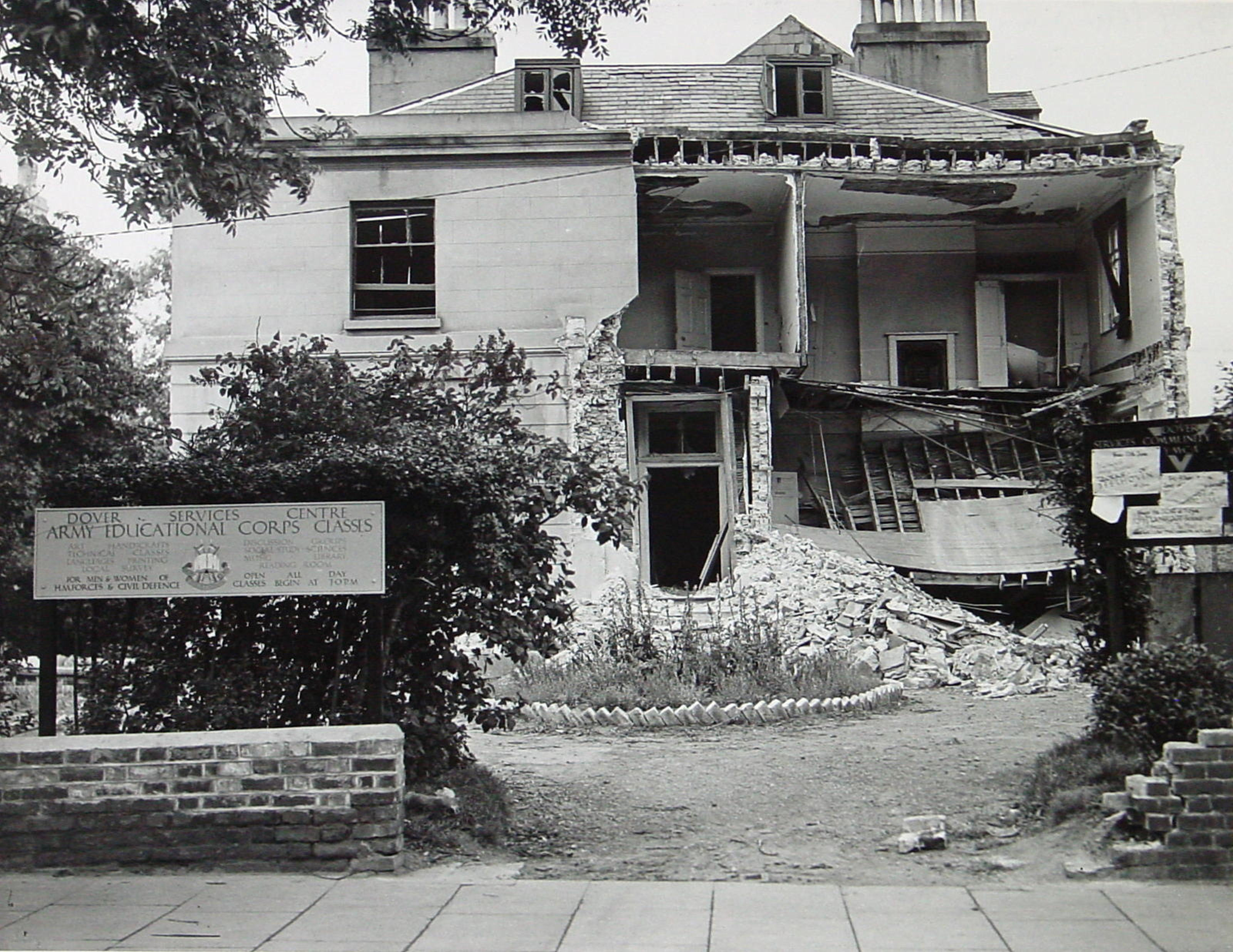
St Martin's House Effingham Crescent following a shell attack 3 November 1943. Dover Library

St Martin’s House Effingham Crescent following a shell attack 3 November 1943. Dover Library


Through out the remainder of the War the YMCA remained active in Dover, including running a mobile library with resources provided by the U.S. British War Relief Society. Every week the library visited military sites in the area. The YMCA also provided recreational facilities for servicemen at various locations in the town but these were not immune to attack. On 3 November 1943, six gunners had to be rescued from under a snooker table when a shell demolished part of the YMCA facilities in St Martin’s House, Effingham Crescent. Just over six months later, on 7 June 1944, another shell hit YMCA premises seriously injuring four women and a man.

Peace returned and in February 1947, the YMCA successfully applied to convert Godwynhurst in Leyburne Road into a hostel. On their application, the YMCA management stated that, ‘there was very little accommodation in Dover for troops or people who were passing through to the Continent.’ With the help of Charles Chitty, a local philanthropist, Unitarian and miller, a youth club with a gymnasium was also provided, both of which proved successful. At the unveiling of the plaque behind Gateway Flats Charles Chitty was given a special mention.

Former YMCA previously the Prince of Wales Sea Training School, Princes Street

Former YMCA previously the Prince of Wales Sea Training School, Princes Street

Although the Leyburne Road premises were extended in 1966 re-organisation, five years later, led to a change of emphasis to the youth facilities although still providing accommodation. It was said that the original building was proving costly to upkeep. In 1996, following a local appeal, the YMCA purchased the former Prince of Wales Sea Training School, in Princes Street. This provided more than 40 rooms and a gymnasium and refurbishment was helped by a £193,500 National Lottery grant.

By 2002, the plaque, behind the Gateway Flats, had been forgotten and was in a poor state. David Atwood, a Gateway resident, contacted Richard Mahony, of the Dover Maritime Restoration Group who restored the plaque and promised to maintain it. Two years later the YMCA, in Princes Street, closed its doors but YMCA still facilities at Charlton House, Dour Street and also a charity shop in Biggin Street.

  • Published:
  • Dover Mercury:  09 August 2010
Posted in Buildings, Societies, Culture and Entertainment, Tourism, YMCA and Dover, YMCA and Dover, YMCA and Dover | Comments Off on YMCA and Dover

Samuel Taverner – The Dissident Preacher who was imprisoned in the Castle

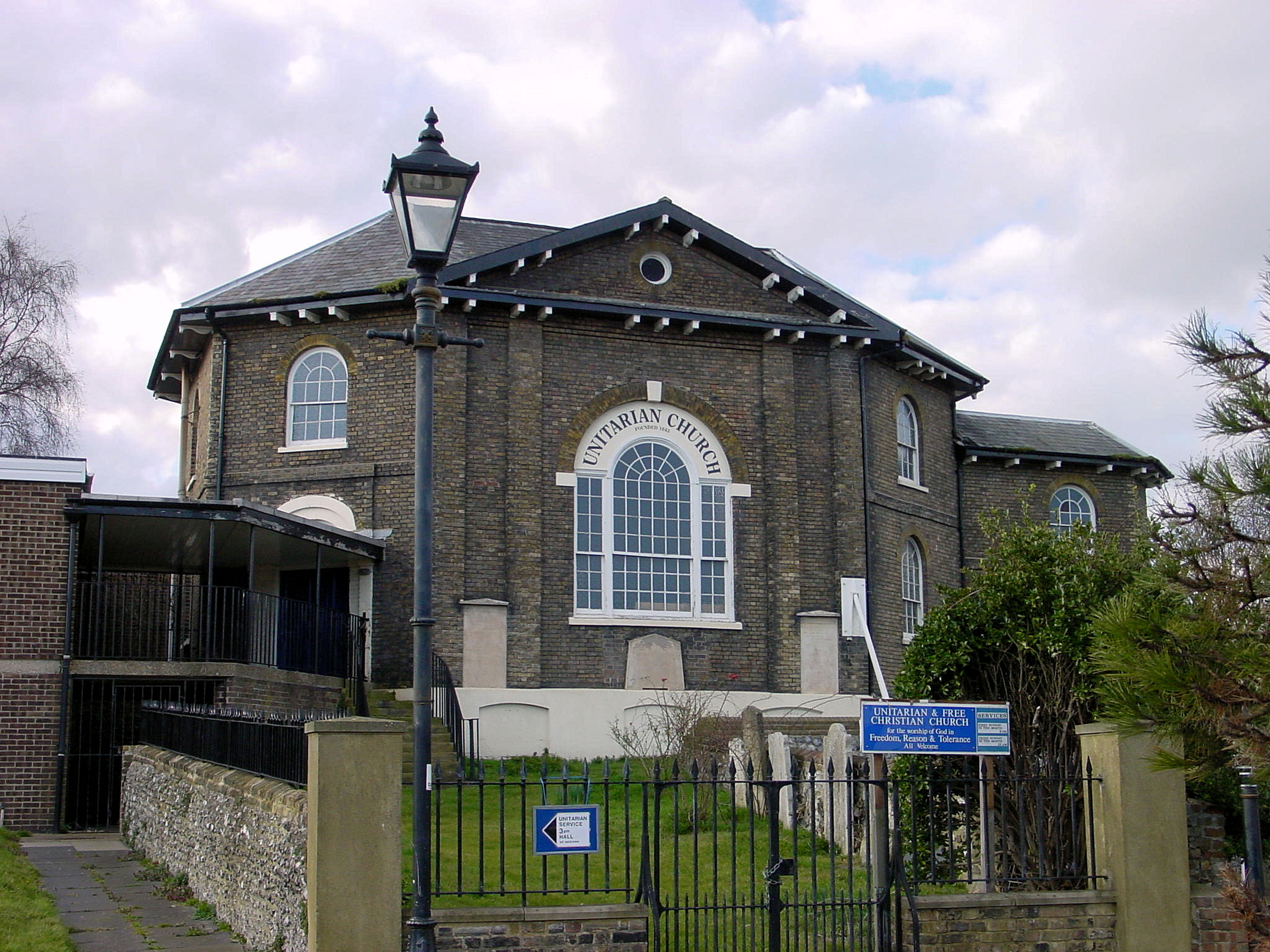
Unitarian Church overlooking York Street

Unitarian Church overlooking York Street

Over looking the bottom of York Street is an ancient octagonal building known as the Unitarian Church. In fact, it opened as a Baptist Chapel on Tuesday 2 May 1820, amidst much celebration. These days, besides being an active place of worship and providing spiritual support, it is full of historic mementoes. The latter include papers appertaining to Samuel Taverner, one of the Chapel and Dover’s most influential figures.

Samuel Taverner was baptised at Romford in Essex, on 21 July 1621, the first child of Samuel Taverner senior and Elizabeth Renolde. His great-grandfather was Roger Taverner, Keeper of King Henry VIII’s forests south of the River Trent.

Little is known of Samuel until 1640, when he joined the Parliamentarian side in the Civil War. At the age of 22, he was promoted to Captain of a troop in Cromwell’s cavalry and it was in this capacity that he came to Kent. Here he met his first wife, Anna Gibbes of Worth, marrying on 13 November 1849 at Deal. They had 13 children, most of whom died at birth, only three, David, Thomas and Priscilla, survived.

Ruins of St Martin-le-Grand as seen from the steps of the Discovery Centre

Ruins of St Martin-le-Grand as seen from the steps of the Discovery Centre

Throughout the Civil War, the Cromwellian army, in Dover, had stabled their horses on the ruins of St Martin’s Churchyard. Nearby, in Market Lane, (where the Discovery Centre is today). It was here that Samuel set up business in 1649. Probably as a victualler to serve the troops stationed in the town.

In 1653, Cromwell appointed Samuel Governor of Deal Castle issuing the following edict:

‘Oliver P. Cromwell Lord Protector of the Commonwealth of England, Scotland and Ireland. To all whome there present may concern. Know yea that I reposeing spetiall trust and confidence in the fidelity and integrity of you Samuell Tavernour, Doe hare by Constitute and appointe you to be Governor of Deal Castle and of all the forces of and within the same. Which said Castle, together with all the ordnance and ammunition stores and habilments of war and those unto belonging You and by virtue hereof to receive and take unto your charge and ye said buildings and fortifications thereof uphold and maintains in good repair, which ye shall defend and keepe for ye use and service of the Common Wealth not render or suffer the same to be rendered delivered up to any person or persons whatsoever, unless he or they be thereunto authorized by myselfe… Given under my hand and seald the thirteenth day of February 1653’

Ten years before, under the leadership of Richard Hobbs, Edward Preston and John Feetness, a local group of General Baptists formed. They dissented from the mainstream Anglican Church over the baptism of infants. The argued that the christening of small children was little more than ‘religion by proxy’. Instead, they argued that  only consenting   adult believers should be baptised  and that  this was to be  by the  total immersion in water not just ‘sprinkling’.

At the time, Samuel’s religious convictions concurred with Cromwell‘s form of Puritanism, which had a marked intolerance towards other Christian groups. This included Baptists, along with Anglicans, while Roman Catholics were outlawed altogether. Thus, although Edward Prescott was a Baptist, as he was also a senior member of Dover’s council and Mayor in 1650 and 1653, he was obliged to worship in secret.

Samuel, in his role as Governor of Deal Castle (where a plaque, presented by the Deal Society in 1982, can be seen), was obliged to have words with Prescott, in order to try and persuade him to conform. Instead, Prescott persuaded Taverner to attend a Baptist meeting. At first, Samuel was reluctant to go but eventually  curiosity got the better of him. One meeting was held in a field not far from the Castle and Samuel hid in a thicket to watch. He was impressed by John Prescott’s sermon.

Charles II landing in Dover 25 May 1660. Window in the Stone Hall.

Charles II landing in Dover 25 May 1660. Window in the Stone Hall.

On 25 May 1660, Charles II was welcomed back to England on Dover beach and the monarchy was restored. With the Restoration, the Established Church was Anglican and Acts were passed to enforce conformity. Fines were imposed whereby one third went to the King and the remainder was divided between the parish and the informer. In 1661, the Dover General Baptists were driven from their meetinghouse and the following year seven Jurats and twenty-three Common Councilmen were ejected for being dissenters.

At the time Samuel was still the Governor of Deal Castle but was giving considerable thoughts to his religious inclinations. On 13 April 1663 he publicly made his feelings known when he asked Edward Prescott to  baptised him by immersion. This was carried out in the Delf stream at Sandwich.

Samuel managed to hold on to his post at Deal Castle for another two years and then he resigned his commission. He moved back to Dover and took up preaching with such enthusiasm that many joined the Baptists. On 14 June 1666, Samuel married his second wife Susanna Harrisson and although they never had any children, Susannah cared for Samuel’s family as well as helping him with his ministry. By 1667, there were 242 local members and meetings were held in Samuel’s home in Market Lane.

Dover Castle where Samuel and other dissenters were incarcerated

Dover Castle where Samuel and other dissenters were incarcerated

On 9 November 1669, Samuel purchased his Freemanship, which allowed him to conduct and expand his business in Market Lane. However, troubles were afoot, James, Duke of York the King’s brother and Lord Warden, ordered that, ‘The Magistrates of Dover to cause all meeting houses to be shut, and pulpit and seats in the house of the aforesaid Samuel Taverner.’  Samuel ignored the edict, was arrested and incarcerated in Dover Castle for a short time.

Dissenting preachers were also fined £40 and the owner of a meetinghouse £20 plus 10shillings (50p) for each ‘hearer’ (those who attended). Because one third went to informants there was a strong incentive to spy and inform. On 21 January 1670 a letter was sent to Charles II saying that there were, ‘divers conventicles and unlawful meetings at Dover and that the magistrates were remiss in failing to enforce laws against them.’ Samuel along with Richard Matson – a close relative of the Mayor at the time, Simon Yorke – grandfather of Philip Yorke who became the Lord Chancellor of England; Edward Dell, Nathaniel Barry, and Anthony Street were summoned before the Privy Council in London. There they were all reprimanded.

The following year Charles II ordered, ‘the shutting up of all houses in the town of Dover as should be made use of for meetings of persons disaffected towards the Government under the pretence of religious worship…’ Samuel’s home was entered, damaged and barred within a week. On the following Sunday, the local Baptists broke the locks, entered and Samuel conducted a service.

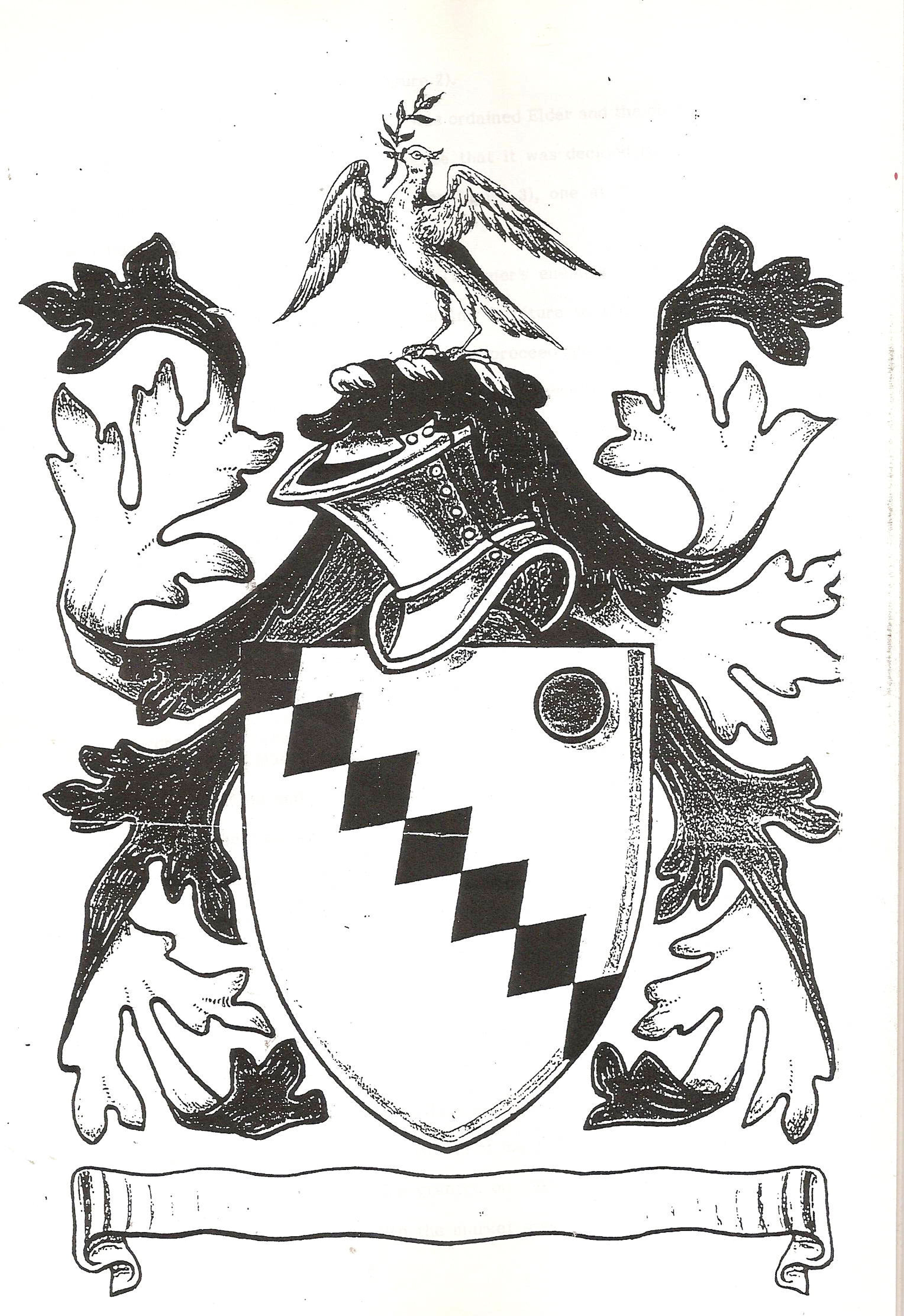
Samuel Taverner's Coat of Arms

Samuel Taverner’s Coat of Arms

Persecution was a sad fact of life but Samuel carried on preaching and also his business. Indeed, he was given the contract to supply ‘necessaries’ for the Castle guard and Dover Corporation with a barrel of gunpowder! By the end of that decade, Samuel was issuing his own trade tokens bearing his Arms and supplying goods to Walmer Castle.

Samuel was ordained Elder of the Baptist Church in 1681 but within a year, his premises were raided; goods and furnishings to the value of £91 6s. 11d (£91.35p) were seized. It turned out that the warrant was false – the work of an Edmond Hardress, James Marsh and Thomas Marsh. Samuel successfully sought redress in court.

James II ascended the throne on 6 February 1685 and wanting the country to return to the Roman Catholic faith the persecution against dissenters increased. In order to try to protect their flock, on 20 September 1686 Samuel along with Richard Cannon (who held land that later became Cannon Street), William Mellow, John Simpson, Richard Marsh, (a relative of Samuel’s earlier persecutors), Cornelius Garrison, Henry Hobbs, Thomas Neale, Thomas Stokes and Henry Spillett, signed a document. This promised to refund any believer whose goods were confiscated because of meetings held on their premises.

However, persecution became so intolerable that Samuel took his family to London staying at the Dog and Bull Inn in Wapping Wall Street. While there, he continued preaching, composing hymns and consolatory epistles to encourage his flock.

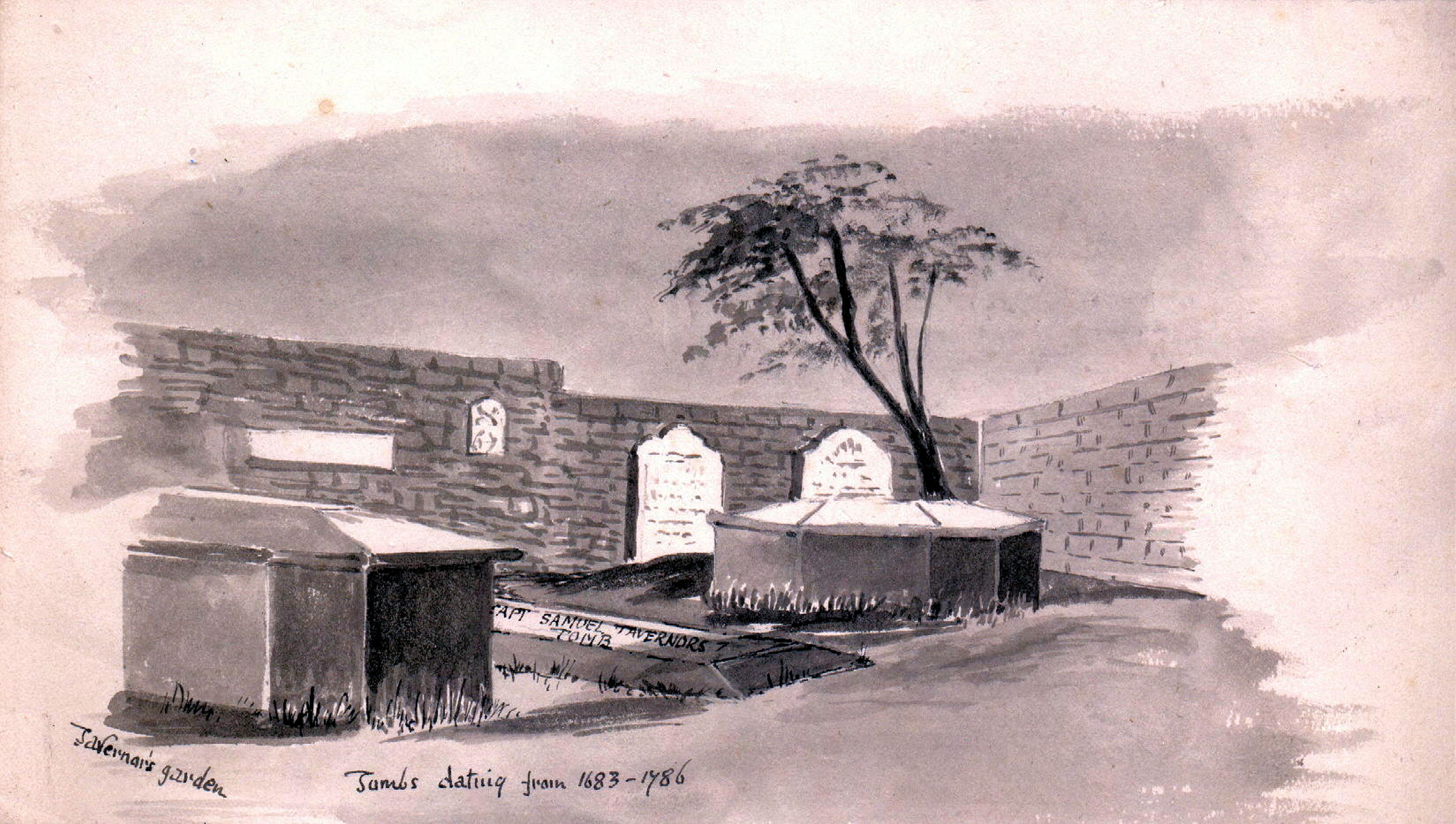
Taverner's Garden, Market Lane, Dover Museum

Taverner’s Garden, Market Lane, Dover Museum

Persecution finally ended in 1688 with the Glorious Revolution and the accession of the tolerant William of Orange. The Taverner family returned to Dover and on 19 April 1692, permission was given for the south end of his house, in Market Lane, to be used for public worship. On 4 August, Samuel died and was buried in his garden.

Samuel’s wealth at death was £683. 6s. 6d, from which he hoped to ensure that his house would be used for services and garden a cemetery for the local Baptist Community. The latter was known as ‘Taverners Garden,’ and was approximately, where Durham Hill meets the present day York Street. Close by, but separate was St Martin’s cemetery. Tavenor’s Lane – one of the many variations in spelling – connected the cemeteries with Market Square. The Garden along with St Martin’s graveyard was demolished in 1970 to make way for the York Street by-pass but the contents of all the graves were reburied, following a full service, in Charlton cemetery.

Published:

Dover Mercury:  01 & 08 December 2011

Posted in People, Religion & Churches, Unitarian Church & Samuel Taverner - The Dissident Preacher who was imprisoned in the Castle | Comments Off on Samuel Taverner – The Dissident Preacher who was imprisoned in the Castle