Dover Fire Service – Part II from 1939

Dover Fire Station - Ladywell

Dover Fire Station – Ladywell

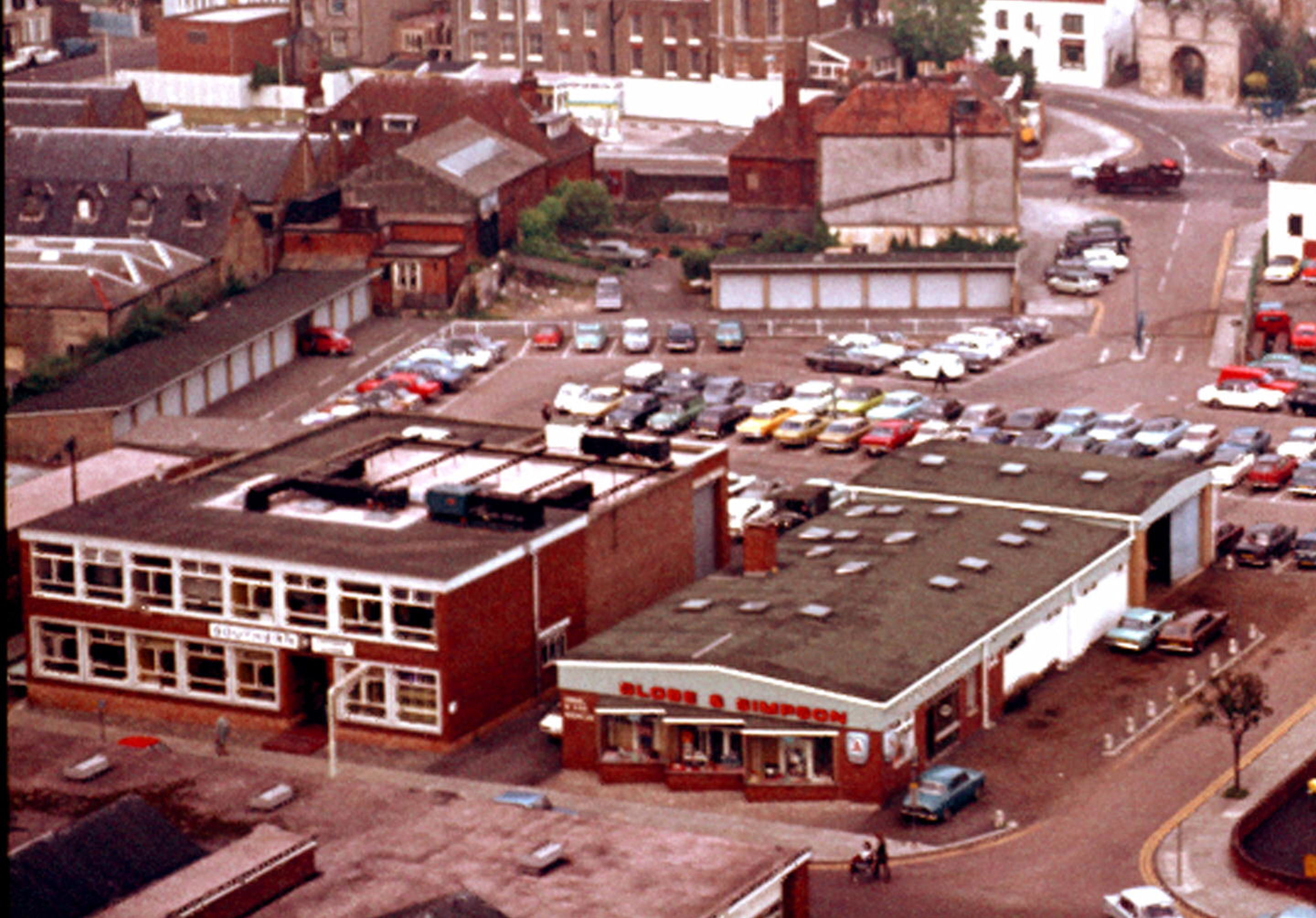
The Dover fire service technically became independent of the police in 1939. All the officers involved belonged to Dover’s police for ce and they were supported by the volunteer Auxiliary Fire Service (AFS). The AFS was formed in 1938 and locals, throughout the country queued to signed up. This caused resentment from the professionals and the ensuing antagonism eventually led to local fire services coming under government control in 1941. At Dover in 1939, the AFS was strategically located at Finnis Hill, in one of the caves, at Southern Autos Garage, Castle Place, the Woodlands Air Raid Wardens Depot on Bridge Street and at Slip Passage close to the harbour.

War was declared on 3 September 1939 and Dover’s siren sounded shortly after. Joe Harman, an auxiliary fireman, in his book – My Dover, (Riverdale Publications 2001) – tells us that he was at a service in SS Peter and Paul church, Charlton, when the alarm sounded. He quickly left, ran across the churchyard, leapt over the wall and raced back to his home in St Radigunds Road. There he put on his uniform, thumbed a lift on a milk float and, with others, reported to Finnis Hill sub station off Limekiln Street. Only to be told that it was a false alarm!
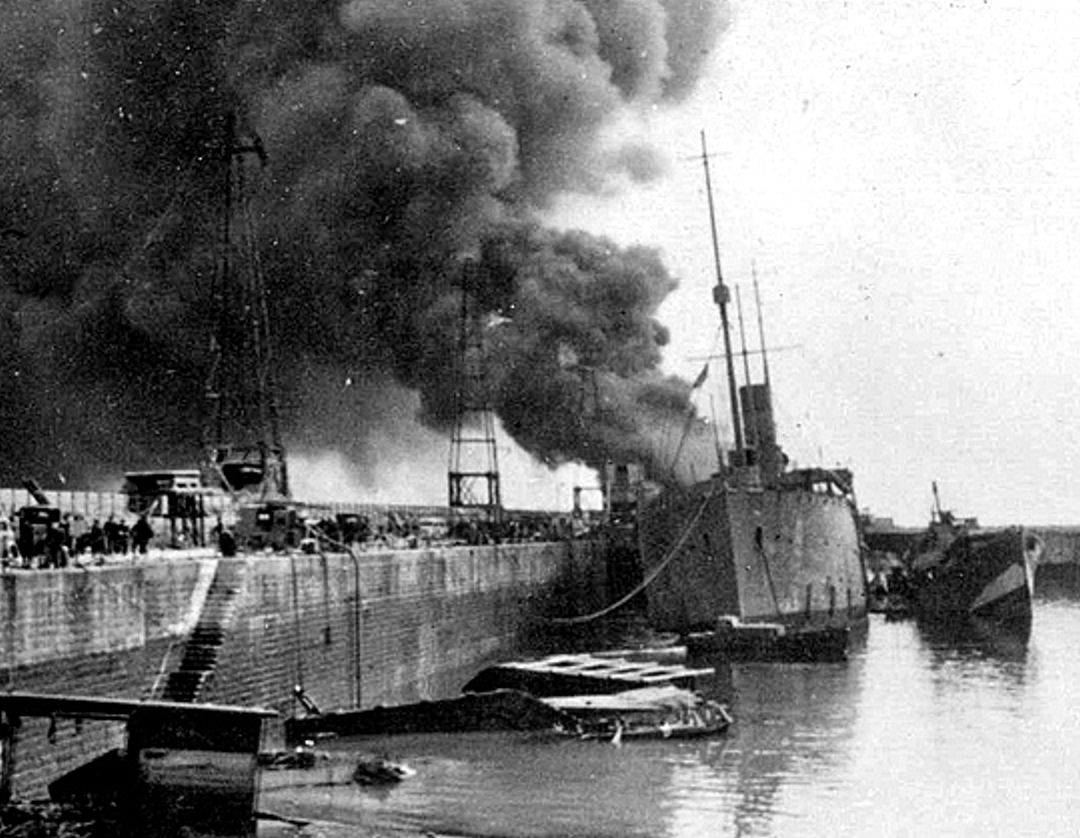
Sandhurst 29 July 1940. Michael Harmer

Sandhurst 29 July 1940. Michael Harmer

For two years, up until May 1940, Dover’s Fire Service policemen had been preparing for possible war as well as dealing with routine work. That month the situation changed with the Dunkirk Evacuation (26 May-4 June 1940) and the subsequent Battle of Britain (10 July-31 October 1940). At 07.15hrs on the morning of 29 July*, dive-bombers attacked the harbour wrecking the Naval Auxiliary ship Gulzar and other vessels in the Camber, Eastern Dockyard. The Codrington nearby was hit setting on fire the 10,000-ton naval supply ship Sandhurst which was full of torpedoes, ammunition and fuel oil.

Sandhurst - fire officers fighting the fire. Michael Harmer

Sandhurst – fire officers fighting the fire. Michael Harmer

Dover’s firemen, under Ernie Harmer, his deputy, Cyril Brown, together with Section Leader Alec Campbell, in four fire engines, left for the Eastern Dockyard. The Sandhurst was surrounded by burning oil while nearby, on the wharf, were some 200,000 tons of coal and the oil installations. The pipeline to the latter had been severed feeding the already burning fuel. Alec Campbell and his team immediately helped the naval personnel to unload ammunition from the Sandhurst, the rest fought the inferno but winning the battle was slow. Harmer persuaded the authorities to allow them continue and by 15.00hrs, the fires were under control. Throughout this time the harbour was under constant attack from the air.
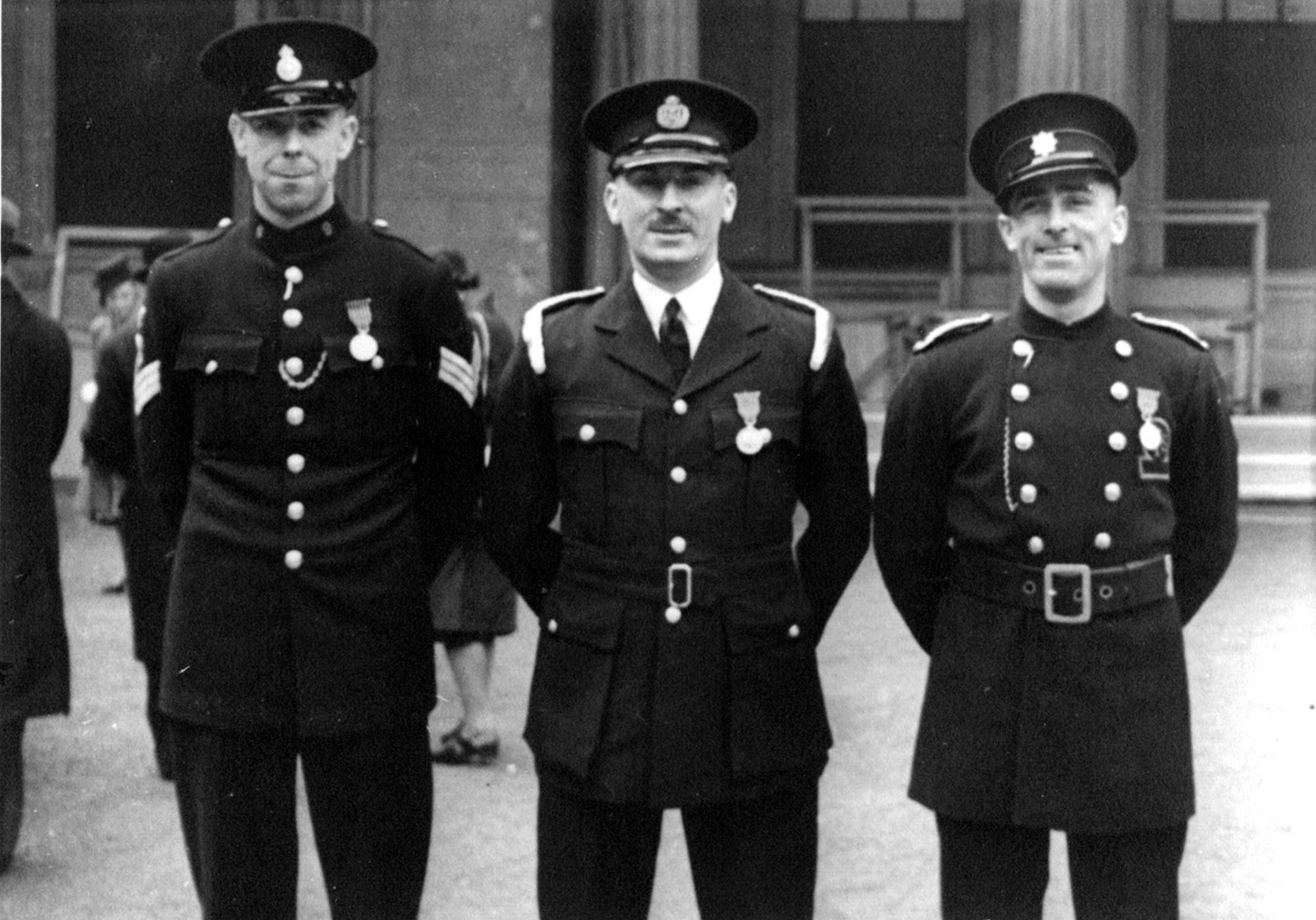
George Medal Investiture Cyril Brown, Ernest Harmer & Alex Campbell. Michael Harmer

George Medal Investiture Cyril Brown, Ernest Harmer & Alex Campbell. Michael Harmer

The George Medal was first issued that year and on the 30 September it was announced that Ernest Herbert Harmer, Cyril William Arthur Brown and Alexander Edmund Campbell were to be recipients. The King’s Commendation for Brave Conduct was awarded to: Dover Fire Brigade, Dover Auxiliary Fire Service, Harold Thomas Bookings – Station Officer, Fire Officers Ernest Alfred Foord, Edward Jesse Gore and Arthur Thomas Cunnington, Auxiliary Fireman, Lionel Rupert Hudsmith and John McDermott. The citation reads:
In a recent large-scale attack by enemy bombers on Dover Harbour, fires were started
in ships and oil stores. Air raids continued throughout the day. During the attacks, all members of the Dover Fire Brigade and Auxiliary Fire Service engaged at the fires did excellent work in difficult and dangerous circumstances and the fires were eventually
extinguished. The individuals named above volunteered to return to a blazing ship containing explosives, in which they fought fires while enemy aircraft were still in the neighbourhood.
The investiture took place on 27 May 1941 at Buckingham Palace.

 Dover Fire fighters and the Sandhurst Hornet 11.06.1966 front page  DC Thomson & Co Ltd

Dover Fire fighters and the Sandhurst Hornet 11.06.1966 front page DC Thomson & Co Ltd

 Dover Fire fighters and the Sandhurst Hornet 11.06.1966 back page  DC Thomson & Co Ltd

Dover Fire fighters and the Sandhurst Hornet 11.06.1966 back page DC Thomson & Co Ltd

On 11 June 1966 DC Thomson & Co Ltd, publishers of the British Boys’ comic Hornet (1963-1976), on its front and back page detailed the story of the Dover firemen and their fight in quelling the Sandhurst inferno, this is their take on what happened. (Thanks to Ken Weston for bringing this to our attention)

Besides enemy attacks creating  fires there were domestic ones. In February 1941, Kearsney Manor was very badly damaged when fire broke out in the roof. The Fire service received the call at 01.27hrs and the Morris and the Leyland engines turned out, together with units of the AFS. When they arrived, the roof of the building was well alight but they successfully brought it under control within two hours.

On 18 August 1941, all local fire services were brought under central government and the National Fire Service (NFS) was formed. As Dover was under almost constant attack, the new service in the town was quickly stretched to their limits. On 30 October William Benn, aged 4, died from carbon monoxide poisoning while sleeping in one of the cave/shelters in Snargate Street. A coal fire in a bucket had been placed by the cave entrance to keep William and the other children warm. Fireman Howell had attempted first aid to revive William. Saturday 8 November Arthur Skelton, 39, had just left home at Aycliffe, for fire watching duties, when he was killed by a bomb. Fireman Ernest Carberry, on 19 December, was between the fire engine and the trailer carrying a pump when he was hit by the trailer and run over. He died two days later. His comrades also acted as bearers and officers and men of the Fire Service formed a guard of honour at the graveside.

Air and shell attacks continued on the town and in September 1942 all men between 18-60 years and women aged 20-45, had to register for Fire Prevention duties. At times, the Control Centre incident board, in the basement of the Maison Dieu and manned by female fire officers, was so full it jammed. The number of casualties in the town continued to rise, which included fire officers Alexander Bocutt who died on 14 December 1943 and Herbert Dowdell on 12 September 1944. Yet it was the fire officers, along with the police and ambulance men, that helped to keep up the town’s moral. On Christmas Eve 1943 about 130 children, whose fathers were either prisoners of war or missing in action, were entertained by these officers.

Children, however, were becoming an increasing menace. In 1940, most had been evacuated but then they slowly started to drift back. Schools opened for limited times but many children were left their own devices. Possibly out of boredom they were prone to acts of vandalism. Safety equipment, particularly stirrup pumps kept at Street Fire Equipment Points, and children would either steal them or, more often, cut the nozzles off.
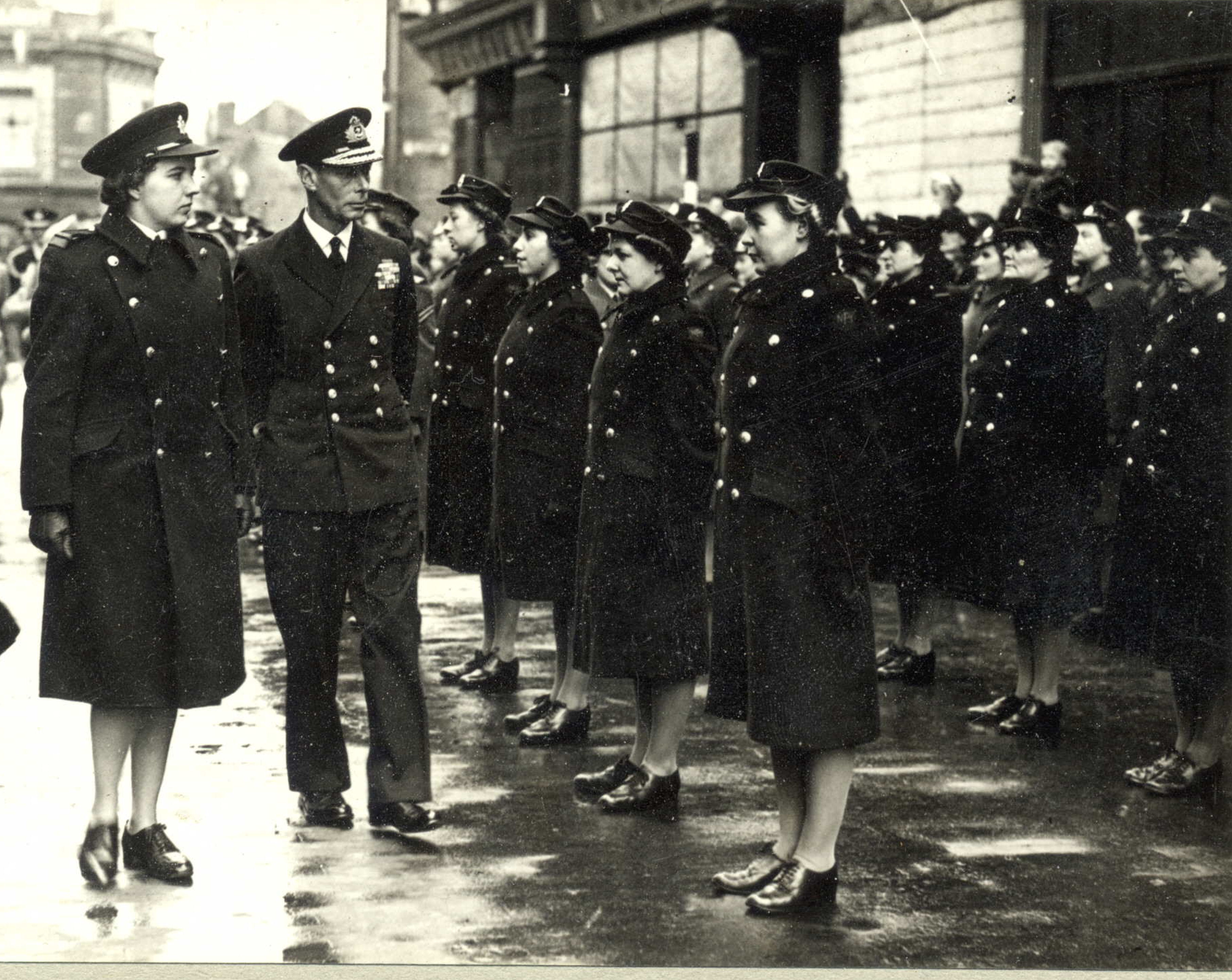
Female Fire Officers inspected by George VI October 1944. Dover Museum

Female Fire Officers inspected by George VI October 1944. Dover Museum

On 15 February 1944, a ‘Fire Guard’ plan was put into force in the town, requiring both men and women to undertake compulsory duties in what was considered the danger areas in Dover. A number of women protested and in June the Regional Commissioner agreed to relaxation but many of the women continued to undertake ‘dangerous areas’ duty voluntary. Once the bombardment of Dover from across the Channel ceased, on Tuesday 26 September 1944, the number of volunteer fire personnel was reduced, temporary stations closed and Fire Guard duties ceased. In October 1944, King George VI and Queen Elizabeth visited the town and escorted by Assistant Group Fire Officer Elizabeth Favell,  inspected the Dover Firewomen.

Dover Fire engines 1951 left to right Commer 21A, 1941 Fordson, Rosetta and Austin K2 - John Meakins collection Fire Fighting in Kent

Dover Fire engines 1951 left to right Commer 21A, 1941 Fordson, Rosetta and Austin K2 – John Meakins collection Fire Fighting in Kent

The Dover fire service became part of the newly formed Kent Fire Service on 1 April 1948. The new Brigade covered an area of 975,960 acres and a population of approximately 1,500,000. The eight-pointed cross of St John emblem, embellished with the Kent white horse and the word Invicta – meaning unconquered and attributed to William the Conqueror’s description of the tribes of Kent – was introduced at that time.

On 27 May that year, crews from out of Dover were called to help local firemen deal with the Clan Maclaren, (5,000-tons) whose cargo of jute had caught alight in Boulogne. Still fighting the fire, the ship was brought across Channel and into the harbour. It took three days and some 200 fire-fighters and appliances to bring the blaze under control. The ship sailed, with the residue of its cargo on 31 May and the ship’s owners presented the Kent Fire Service with a model of a sister ship as a memento of the good work.

That year, the Dover force had to deal with fires at Bracqs in the High Street on 2 February; on the ship Invicta on 18 March; Sugar Loaf Cafe, 44, Biggin Street, 10 September and Scott’s Dye Works, Snargate Street on 5 November. Part of the new Act that had created the Kent Fire Service included basic responsibility for fire prevention – fire officers could provide advice if someone requested it. In Dover, the Service made businesses aware of this.

The following year, on 5 September, the first fireman of the new force was killed. He was St Margaret’s Albert Young age 44 and father of three. Albert was thrown from the appliance on the way to a fire and died of his injuries the same day. He was given a Fire Service funeral, the cortege being led by an appliance with the County Fire Officer and escorted by a contingent of fire-fighters from all over the county.

Just before midnight of 1 May 1950, the tower of the Old James’s Church collapsed. Residents of houses in the immediate vicinity said that they heard screams. Fire-fighters were quickly on the scene and, working by headlights, raked through the debris for two hours, often almost choking with dust but no one was discovered. Afterwards, it was believed that the screaming came from disturbed seagulls!

Clarita Schroder 28 July 1960 - John Meakins & Roger Mardon collection Fire Fighting in Kent

Clarita Schroder 28 July 1960 – John Meakins & Roger Mardon collection Fire Fighting in Kent

In the early hours of 27 June 1955 Dover’s biggest fire, since the end of the War, broke out in the early hours. It gutted the premises of the Folkestone Motor Company subsidiary, Kennex Coachwork Ltd, in Castle Street. In 1958, the ‘old lady’ of Dover’s fire appliances, Rosetta was sold for £105. Although limited fire prevention was being put into operation, fires continued both in buildings and on ships. While berthed at the Prince of Wales Pier on 28 July 1960, the 3,265-ton Clarita Schroder, carrying a general cargo of cars, crated foodstuffs and machinery, suffered a serious fire. The fire was controlled within four hours by five foam branches and nine water jets but altogether the Service attended for over nineteen hours.
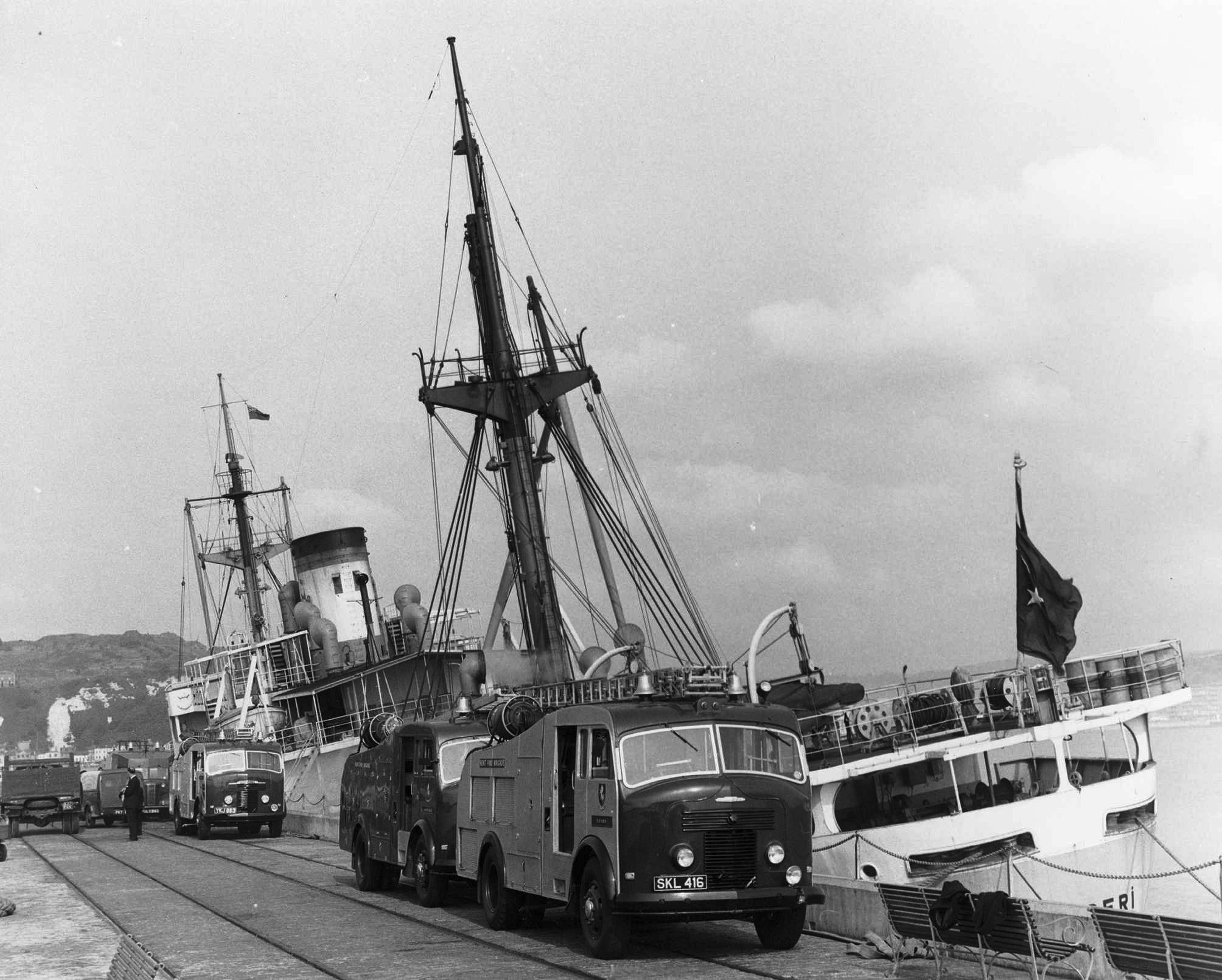
 Kayseri 7 September 1961 - John Meakins & Roger Mardon collection Fire Fighting in Kent

Kayseri 7 September 1961 – John Meakins & Roger Mardon collection Fire Fighting in Kent

The next year several thousand pounds worth of carpeting was destroyed in January in a store used by the Dover Carpet Weaving Company, at Finnis Hill. As 1961 progressed, there were more major fires, including one in November that gutted nearly the whole stock of motor cycles and bicycles at Tower Hamlets Motor Cycles in East Street. At sea, on 7 September, the Kayseri had broken down and fire was discovered in a cargo of sunflower seeds, cottonseed and oil cake. Eleven hours later the vessel was towed into Dover Harbour and tied alongside the Prince of Wales Pier. During further fire-fighting operations two explosions occurred so she was towed out and beached. The hold was flooded to extinguish the fire.

On 27 January 1962, Leading Fireman Maurice Young of Dover endeavoured to rescue a small boy who had fallen down a narrow, 38-inch (1 metre) across narrowing to 24-inches (0.6metres), disused 180-foot (54.8 metres) well at Oxney Court, on the Dover-Deal Road. Sadly, when the child was reached, at the bottom of the shaft, he was dead. Leading Fireman Young awarded the Queen’s Commendation for Gallantry and a Testimonial on Vellum from the Royal Humane Society.

Oil Mills Limekiln Street May 1965

Oil Mills Limekiln Street May 1965

Fire Prevention increasingly figured in discussions and in 1961, the Public Health Act replaced approximately 1400 sets of local bylaws. This was in order to create national building regulations that came into force in 1965.  However, they were only applicable to new, altered or extended buildings and local authorities were not obliged to adopt them. On the 23 May that year the 90-year-old former Oil Mills, then known as Commercial Buildings, Limekiln Street, were destroyed. The cause of the fire was never ascertained but the inadequate fire prevention facilities were noted in reports. The damage was estimated at £1m and several factories were put out of action.

Three years later, in November 1968, a fire in Priory Road led to the deaths of two children and an elderly lodger. At the inquest, the Coroner rejected criticism from some witnesses that fire crews were insufficiently equipped to tackle the blaze. The following year there was a major fire in Saffron Walden, Essex, where eleven people died, which galvanised the Government in taking action to tighten up fire prevention laws. This led to Fire Precautions Act 1971 that came into force the following year. One aspect included minimum safety provisions for means of escape in case of fire. However, this did not apply for existing building unless they were altered or extended.
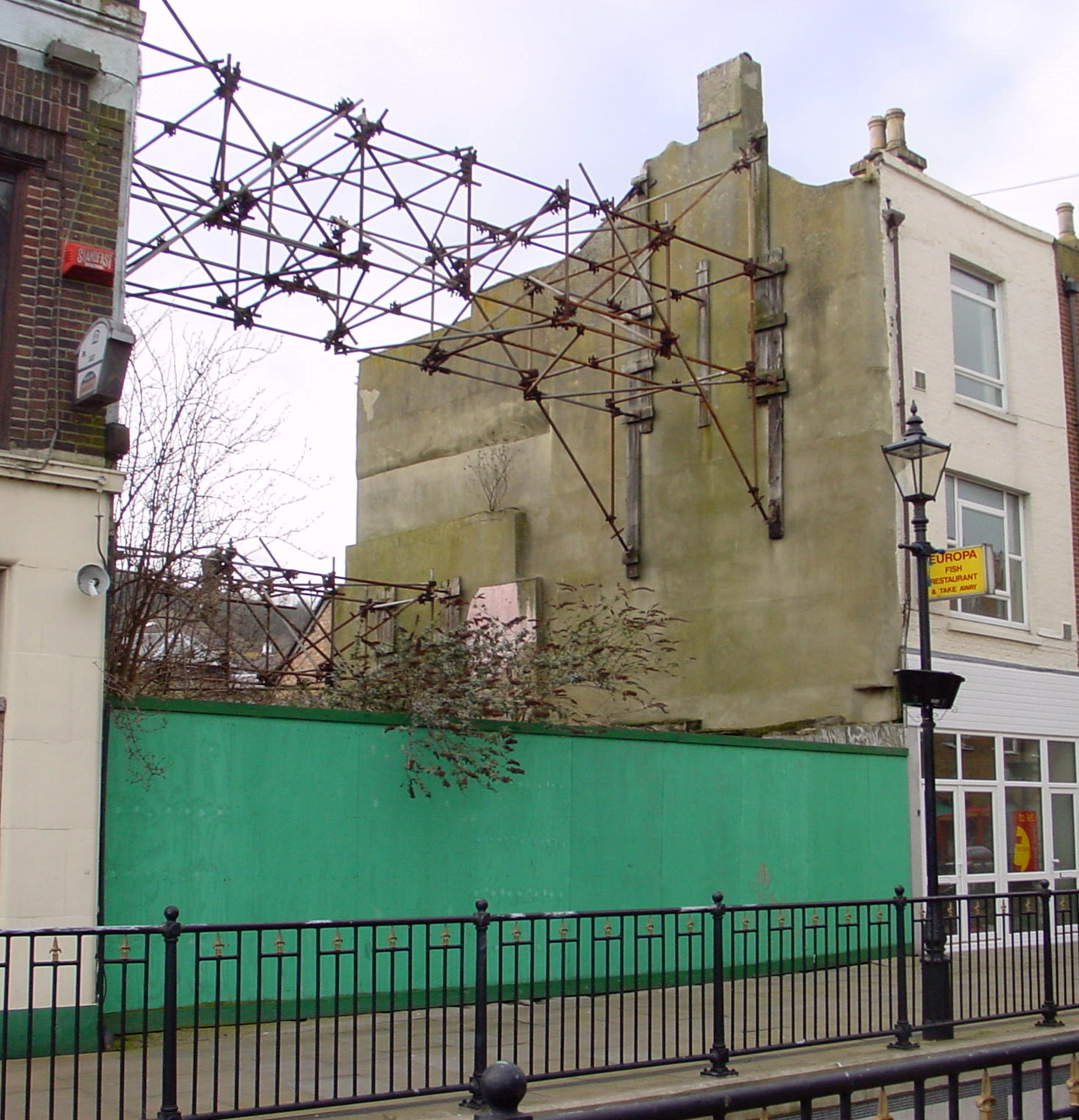
Crypt Site - Bench Street

Crypt Site – Bench Street

On 27 March 1977 Leading Fireman John Sharpe, three children and three women were killed when fire swept through the Crypt Restaurant in Bench Street in the early hours. The restaurant was part of a labyrinth of four storeys and a basement fronting Bench Street, and three storeys and a semi-basement facing York Street. These were linked, at the rear, by a range of single and two storey buildings of varying types of construction. The fire had started at ground level and quickly spread to the upper floors through a number of voids. It then spread laterally through the residential accommodation. The alarm was raised at 02.49hrs and by 04.00hrs, the fire-fighters had carried nine persons out of the burning building.

At the inquest, the Coroner, in recording a verdict of accidental death on Leading Fireman Sharp, paid tribute to the gallantry and devotion to duty shown by the members of the Fire Service. Leading Fireman John Sharp was given a Fire Service funeral that took place at St Stephen’s Church Canterbury on 7 April. Over 600 fire service personnel from the UK and France lined the route to the Church.

Herald Disaster 06.03.1987 - dedicated to Robert Crone Bryan Eades and Graham Evans - St Margaret of Antioch Church

Herald Disaster 06.03.1987 – dedicated to Robert Crone Bryan Eades and Graham Evans – St Margaret of Antioch Church

Ten years later on 6 March 1987 was the Herald of Free Enterprise tragedy, when the car ferry capsized just outside of the Belgium port of Zeebrugge causing the deaths of 193 people. As soon as the rescue operation was launched fire-fighters, heavy cutting and rescue equipment as well as portable lighting were flown from Manston to Liksijide Military airfield, Belgium. More fire officers with rescue equipment, including thermal imaging cameras, followed them. Of those who lost their lives on the Herald were Chief Engineer Bob Crone and Electrical Officer Graham Evans. Both were retained firemen at St Margaret’s Fire Station.

St Paul's RC Church, Maison Dieu Road.

St Paul’s RC Church, Maison Dieu Road.

Later that year, in the early hours of the morning of 16 October, severe storm force winds hit the south coast that put a huge demand on the fire service across the county. Off duty officers helped with the emergency and many worked almost none stop for 50 hours. A week later, on 23 October, David Fitzgerald, started a fire in a disused confessional box at St Paul’s Church, Maison Dieu Road. It spread rapidly destroying the roof, organ and much of the interior. Fire-fighters came from all over Kent to tackle the blaze.

In 1987, the Fire Precautions Act 1971 was amended putting a greater onus on owners of business properties to provide means of escape, fire fighting equipment and training of staff. It also gave fire Service the authority to close down premises, except single private dwellings, if they were considered dangerous.

The following year, at 22.14hrs on 23 May 1988, the Service was called to the Seafreight Freeway off Ramsgate. Fifteen fire-fighters were airlifted from Manston and Dover Harbour Board, tug Deft sailed with a further 23 men, extra breathing apparatus sets and spare cylinders. The fire was eventually put out but one of the ship’s crew died and another received serious injuries. Four days later the P&O cargo ferry European Trader carrying 45 passengers and freight, 26 miles north east of Dover reported a fire in the starboard engine. Again, fire-fighters were airlifted and again a DHB tug transported more personnel and equipment. The fire was again put out but luckily, this time there were no fatalities.

On 22 September 1989, at 08.65hrs the Service was called to a fire and explosion at the Royal Marine Barracks, Deal. A two-storey accommodation block had been devastated in which there were sleeping personnel. It quickly became apparent that the building had been a target of an IRA bomb but it was many hours before all the casualties and bodies were recovered. Ten Royal Marines were killed and 12 were badly injured.

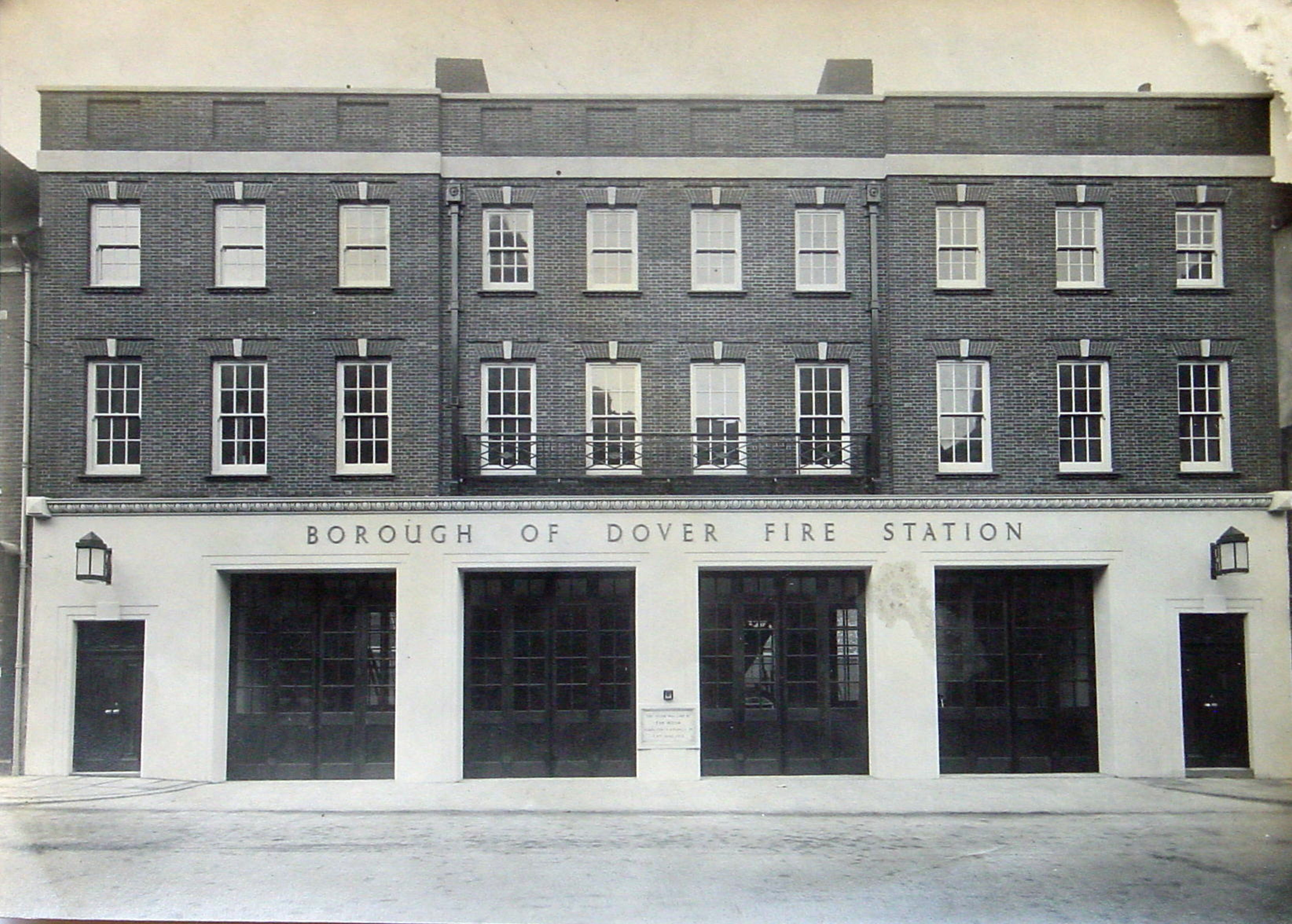
On 19 August 1992, much to amusement of the local media, a fire broke out on Dover fire station roof! Luckily, the station personnel were alerted by their own warning system and the blaze was quickly brought under control. It was about this time that the distinctive facade of Dover Fire Station was given conservation status. The following 2 April a fire in a Hovercraft under repair threatened a possible explosion of the on-board fuel tanks. Luckily, this did not happen but the craft was severely damaged. The cause was established as an electrical fault.

In the early hours of 17 March 1995, fire broke out in the labyrinth of tunnels that make up the oil caves on Limekiln Street. Back in the 1970s, fire officers John Walton and Allen (Sam) Cook undertook a survey of all the known underground sites in Dover and the maps, diagrams they made were on file and were put to good use. Nonetheless, access for fire fighting equipment was almost impossible at times and it took nearly 24 hours before the fire was brought under control.

On the evening of 16 November that year, at about 19.30hrs, the Service was called to the B&Q superstore on Charlton Green. The blaze was relatively confined but while five firemen were searching the building a flashover cause a fireball to envelop it. Of the five firemen who went in only three came out. Eventually the other two appeared, their uniforms smouldering. All five were taken to hospital with fire fighter Colin Cox, being admitted into the East Grinstead burns unit for injuries to his shoulder. The store was destroyed but later rebuilt and is, at the time of writing, Morrisons Supermarket.

In 2000, the Government set up a review of fire safety legislation that led to the Regulatory Reform (Fire Safety) Order 2005 that became law in October 2006. This consolidated past legislation and centred on ‘risk assessment ‘ rather than prescriptive codes and guides. The onus for fire safety became the ‘responsible person’, be it employer, person in control of the building, or the owner. They must ensure that a building is fit for the purposes it is being used for taking into account for the safety of their employees and anyone that may be lawfully on or near their premises. To enforce this, the Fire Service issues informal ‘action plans’ and ‘notice of fire safety deficiencies’ letters. Failure to comply can lead to a formal enforcement order being issued followed by Court action if ignored.

Westmount 22 September 2007 Phil Wyborn-Brown

Westmount 22 September 2007 Phil Wyborn-Brown

Regardless of the legislation destructive fires continue. On the weekend of 22 September 2007, the former United Reform Church on the High Street and the former Westmount College, Folkestone Road were devastated by fire. More than 70 fire-fighters fought the blazes. In 2009, a 68-year-old man deliberately started a fire at a Dover hotel and was later jailed for six years. In August 2011, a blaze broke out at PPR Wipag Limited, Winchelsea, enveloping much of the area with thick black smoke. It took seven hours for the Service to bring it under control.

However, due to budget cuts, the numbers of retained fire-fighters in the Dover district were reduced by 22.8% over four years from 2007 to September 2011. Then it was announced that from February 2012 the Kent fire service would share the Kent police headquarters at Maidstone. More recently, that St Margaret’s fire station has closed and was sold at auction. In Dover, our fire-fighters remain part of the community. Besides their wide-ranging duties, on the days leading up to Christmas they orchestrate carols in the shopping precinct at the same time as collecting for local charities. They also organise other fund raising events such as Yellow Helmet Day in August.
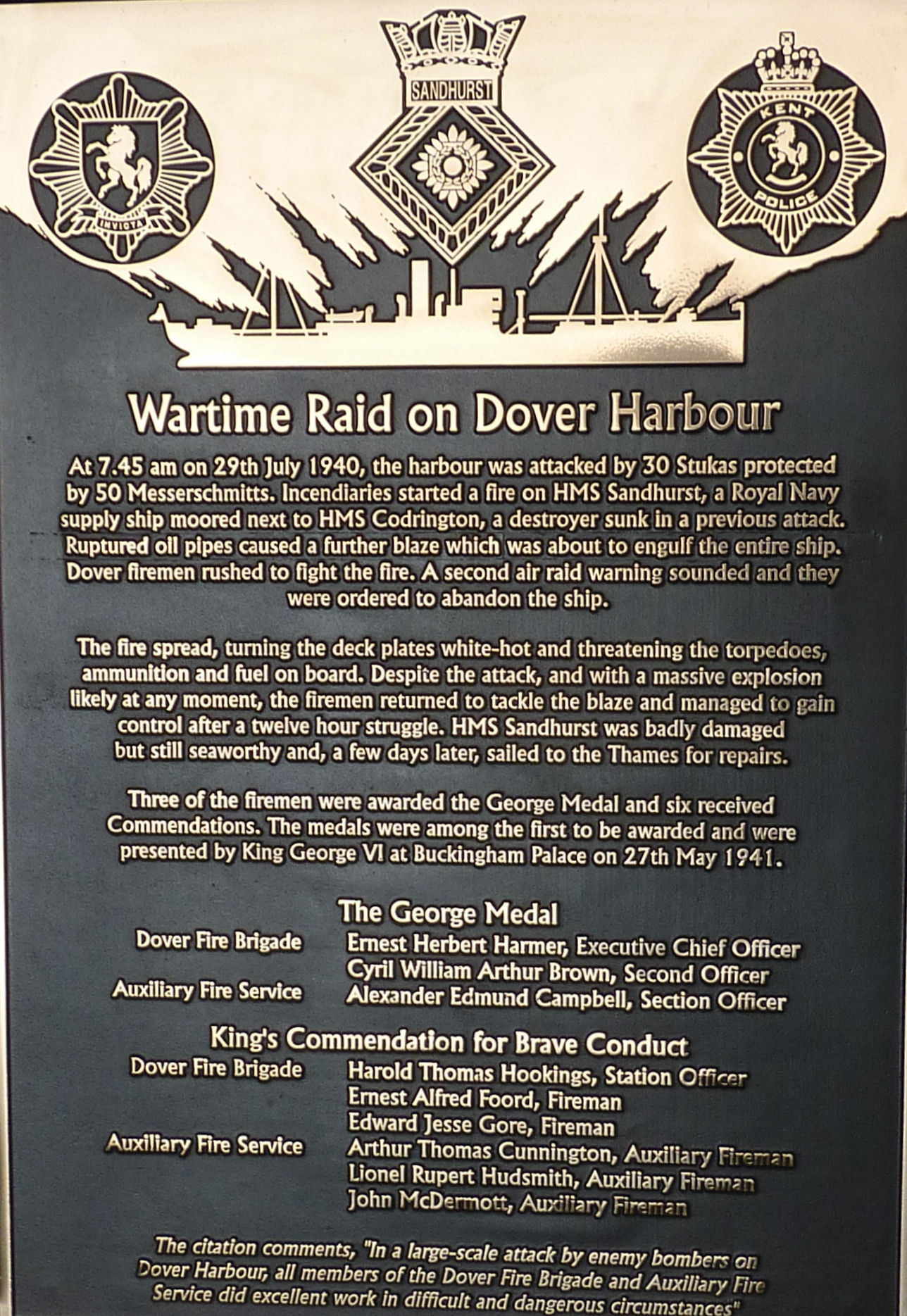
Plaque re Sandhurst July 1940 Front of Fire Station - May 2013 Michael Harmer

Plaque re Sandhurst July 1940 Front of Fire Station – May 2013 Michael Harmer

Finally, on 12 May 2013, a bronze plaque was unveiled, between the watchroom and first engine bay, at Dover Fire Station. This was in honour of the nine men who fought the Sandhurst, Codrington, Gulzar, Oil Installations and the other fires that occurred following enemy attack on the Eastern Dockyard in July 1940. Those who attended included six of the nine men whose names appear on the plaque. A black and white aluminium version of the plaque was presented the following day to Dover Harbour Board and is on display on the wall of the food outlet building near berths 8-9, Eastern Docks.

* There are a number of accounts of the Sandhurst raid, some give 27 July for the occurrence, others 29 July. In the citation, the 29 July is given and this has been repeated here.

Published:

  • Dover Mercury: 26 January, 02 & 09 February 2012
Posted in Dover Fire Service - Part II from 1939, Local Government | Comments Off on Dover Fire Service – Part II from 1939

Dover Fire Service – Part I

Dover Fire Station shortly after opened 2 December 1931 in Ladywell. Dover Library

Dover Fire Station shortly after opened 2 December 1931 in Ladywell. Dover Library

Arguably the oldest trace of fire damage in Dover is at the Roman Painted House in New Street, where there are charred timbers and baked loom weights. These came from a large wooden hut dated about AD 800, which the Saxons used for weaving and it contained nearly 200 loom weights! Dover’s earliest documented fire occurred in 1066 when the Normans set the town alight. Luckily, William I saw the error of such destruction and ordered the town and the famous monastery of St Martin-le-Grand, to be rebuilt.

Fire Hook- York Museum

Fire Hook- York Museum

Over the next few hundred years’ fires were a common problem as most buildings were built of wood and thatch and Dover was also subject to many attacks from the sea by the French. The town was divided into Ward and each ward had a watchman who was to ensure that precautions were taken to prevent and put out fires. Each householder, under the penalty of a fine of 1shilling 9pence was compelled to have a tub full of water outside their door every night. Bells were also placed strategically around the town and when one was rung, the Watch organised ‘bucket chains’ – lines of people passing buckets from the nearest water to the fire. Empty buckets were, at the same time, passed in the opposite direction for refilling. To deal with burning thatch the council bought fire hooks to pull off the burning straw in order to prevent it spreading. The richer members of Dover’s society had their homes built of stone, roofed with tiles and with gardens, which all made for fire prevention. Over time, in poorer areas ‘fire alleys’ were left between properties to enable water to be brought quickly from the river or the harbour.

About 1700 insurance companies started to organise fire brigades in large cities but they only dealt with the fires of those who had paid insurance premiums to them – such houses displayed insurance plaques. In Dover the reliance was still on bucket chains, but that year the Mayor, Edward Wivell presented the town with a fire engine. Probably this cart carried manual pumps, ladders, ropes and fire hooks. Four porters were given the job of dealing with fires and were paid every time the fire engine was used.

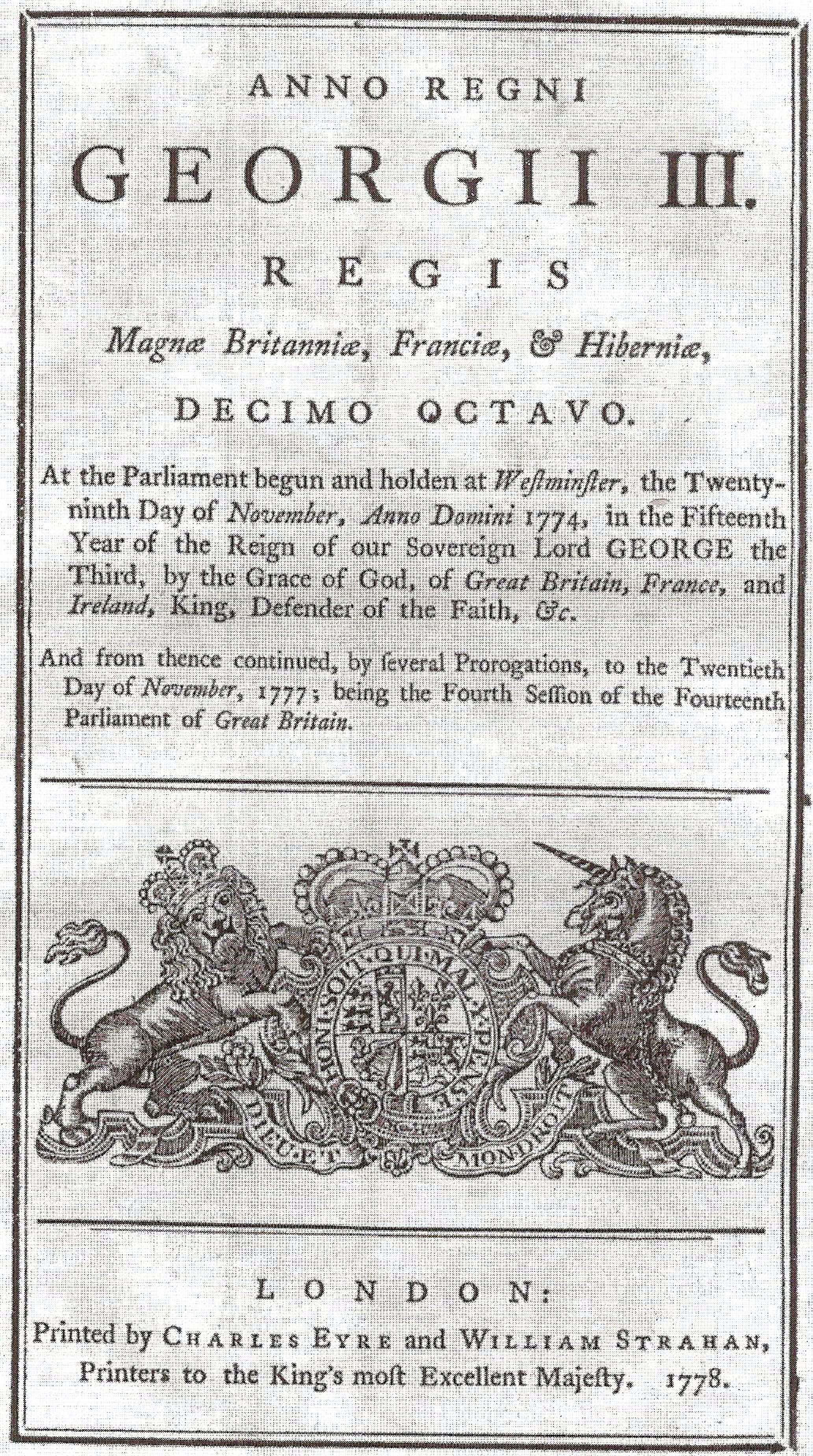
Paving Commission 1777 Front Cover. Dover Library

Paving Commission 1777 Front Cover. Dover Library

The 1778, Dover Paving Act the Corporation created an embryonic fire service under auspices of a chief Watchman called Constable. Besides undertaking basic police duties, their job was to raise the ‘Alert’ and deal with fires. Ten years later the town purchased another fire engine but according to the minutes that year, men were paid 2s (10p), by the council to carry buckets of water to douse fires following bonfire night – 5 November. The money set aside for such events was called ‘Bucket Money’ and on 15 September 1800 a new fire-engine, mounted on a set of spokes was paid for out of the Bucket Money.

Attacks on Dover during the Napoleonic Wars (1793-1815) caused much devastation especially as French privateers fired red-hot shot into heavily populated areas of the town. On 8 May 1808, a massive fire destroyed the Fector warehouses on the sea side of the harbour. Construction, following the Wars caused the Paving Commission rethink the strategy of dealing with fires. In 1824 they appointed porters, under the auspices of the Town Sergeant, to practice once a month to use the town’s fire appliances. The porters were encouraged to turn up by the Town Sergeant being authorised to spend 10s (50p) on beer!

The town purchased another fire engine in 1830 and on 20 January 1836, the Municipal Corporations Act of the previous year, introduced Dover’s Police Force whose job included fire fighting. A purpose built police station opened in Queen Street/Gaol Lane in 1838 and the Superintendent was also the Captain of the Fire Brigade. Two constables were detailed for permanent fire brigade duties and they lived over the fire station.

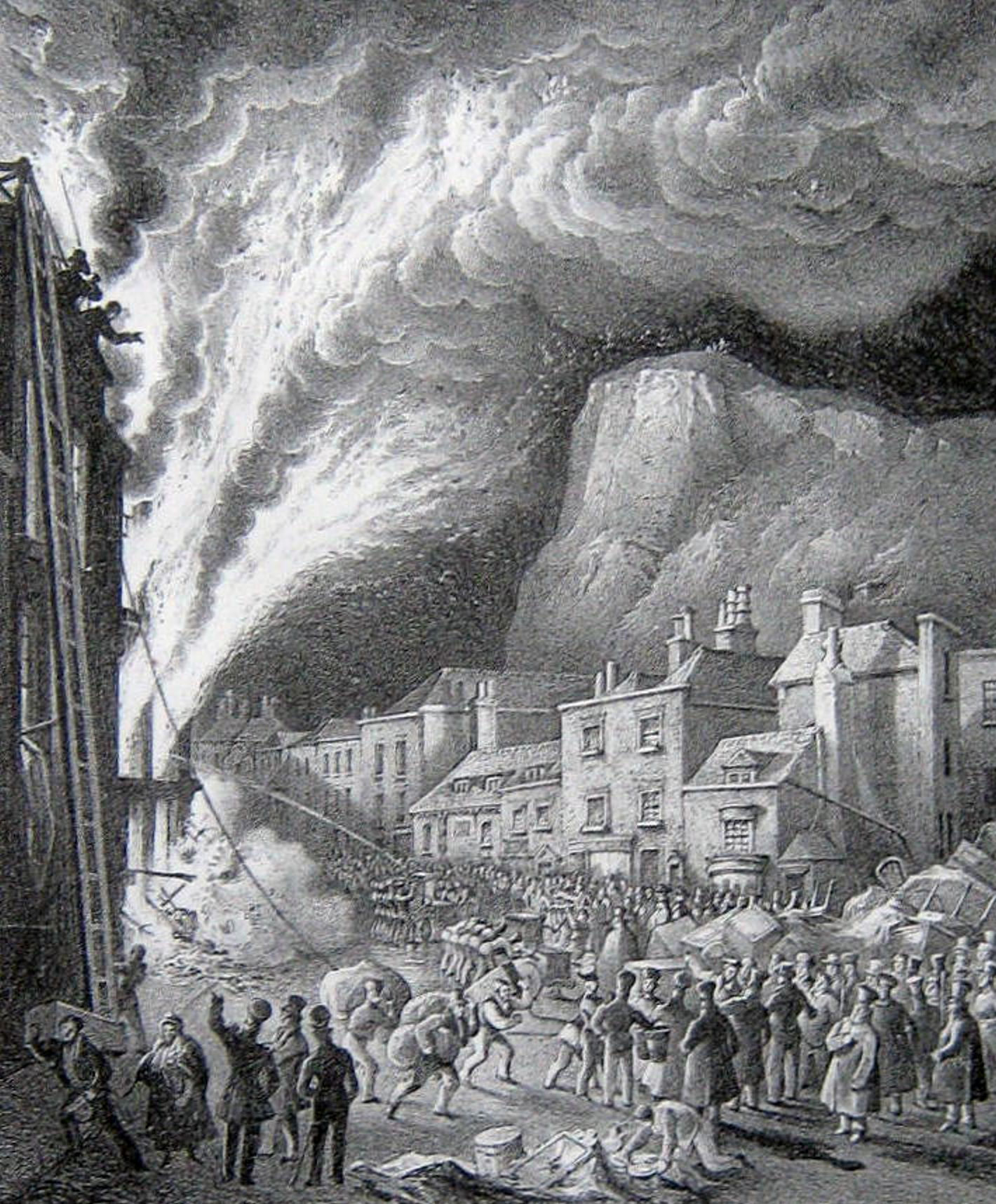
Snargate Street Fire 11 May 1837 drawing by W Reith. Dover Library

Snargate Street Fire 11 May 1837 drawing by W Reith. Dover Library

The new regime was put to the test on 11 May 1837 when fire swept through Snargate Street. Helped by the soldiers of the 2nd Battalion of the Rifle Brigade, stationed on Western Heights, the blaze was quickly brought under control. A fire of similar major proportions broke out in the Pier District in 1850, near to Archcliffe Fort with its large store of powder magazines. The fire service was quick on the scene but looting was also a problem until the arrival of military personnel. Afterwards, an amnesty was given to those who returned the stolen goods.

To help with tackling major fires a volunteer fire brigade was formed in 1862 under the auspices of the police. On 3 March the following year they were called out to help with a fire that destroyed the Alhambra Music Hall and Burrows’ pork butchers, on the west side of Market Square. Leonard and William Burrows aged nine and seven, along with a seventeen-year-old servant girl were killed. This time the police dealt with looters immediately and severely.

Dover Fire Hydrant Cover

Dover Fire Hydrant Cover

Following the opening of the waterworks on Connaught Hill in 1854 fire hydrants were installed around the town. A favourite target of children, they were later removed and small cast iron manhole covers placed over mains access and can still be seen. However, problems with leaking pipes meant that the water pressure was unreliable and water was frequently turned off at night. In 1870, the council discussed the possibility of installing a telegraph link between the police station and the waterworks. As this would cost £78, the idea was abandoned. Instead, when a fire was reported a police officer had to go to the waterworks and asked them to recharge the mains!

On the night of Monday 24 June 1872 there were about a dozen lodgers staying at the Lord Nelson pub on St James Lane. At about 01.00hrs the niece of the landlord woke up and realised the place was on fire and ran into the Lane screaming. Joseph Parks, a solicitor’s clerk who lived in Church Street, was passing and quickly took control. People were hanging out of upstairs windows, shouting for help, so he sent the girl to the police station to get assistance. Then Joseph managed to get a ladder from next door but it was too short to reach the first floor windows. Therefore, he balanced it on his shoulders and eight of the residents managed to clamber down. As the last of the residents was being rescued the fire extinguishing apparatus arrived and using two fire hydrants and water from the nearby river Dour, the fire was soon put out. At the subsequent inquest on two residents who died that night, John Parks was commended by the coroner.

The problem with the lack of water pressure from the town’s waterworks, came to a-head in 1880 following a fire at Scott’s dry-cleaners in Snargate Street. Over 1,000-feet of hosepipe was used to fight the blaze but there was not enough pressure to reach the flames and the premises were devastated. Royal Insurance Company paid out £627 16s to John Scott then started legal action against the council.

In 1881, the police station moved from Queen Street to the Maison Dieu and the old police station became a formal fire station with a residence for the officer in charge. The fire wagon and the portable fire escape were housed inside the Market Hall but the collector of tolls, Mr W H Wright, demanded £2 a month rent. Whether the council paid this is unclear.

Disastrous fires including fatalities remained a major problem due to open fires, gas lighting, thatch and in public buildings, a general lack of fire awareness. Buckland Paper Mill was destroyed by fire on 25 September 1887 and on 5 January 1888, fire devastated Hills Carriage factory and the Dover Proprietary Library, which was in the same building, in Castle Street. The incident was exacerbated by the defective state of the town hydrants and led to a committee of enquiry and effective reform. Possibly because of these problems Chitty whose mill was at Charlton, had a water tower built to feed a sprinkler system.

In 1895, electric street lighting was installed in Snargate Street. The lamps were carried across the road on arches that looked very pretty. However, the arches were too low to allow the fire engine to pass under without hauling down the ladder. This took the crew several minutes. Councillors had to decide which was cheapest to change the fire engine or adapt the existing one!

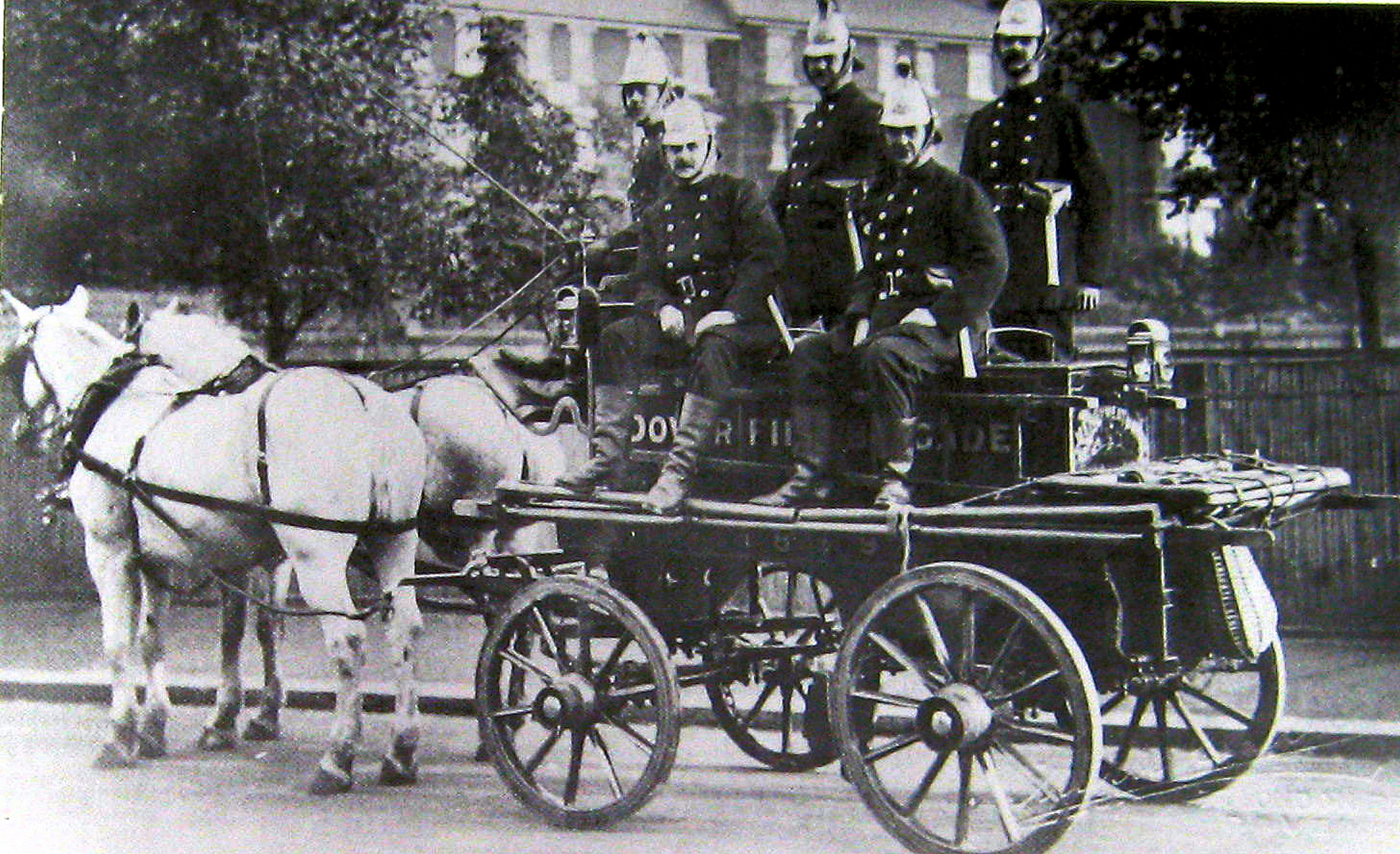
Merryweather fire engine c1899. Bob Hollingsbee

Merryweather fire engine c1899. Bob Hollingsbee

Edward Lukey of Bench Street wine merchants, upset by the deaths of two people in a fire in St James Street voiciferously argued for a new fire engine. He started a fund and in 1899, the council purchased a ‘state of the arts’ – statements at the time were words to that effect – horse-drawn Merryweather fire engine with a pump for attaching to the fire hydrants. However, there was a problem over the horses as they came from funeral parlours so burials took precedence! The fire engine remained in operation until 1922.

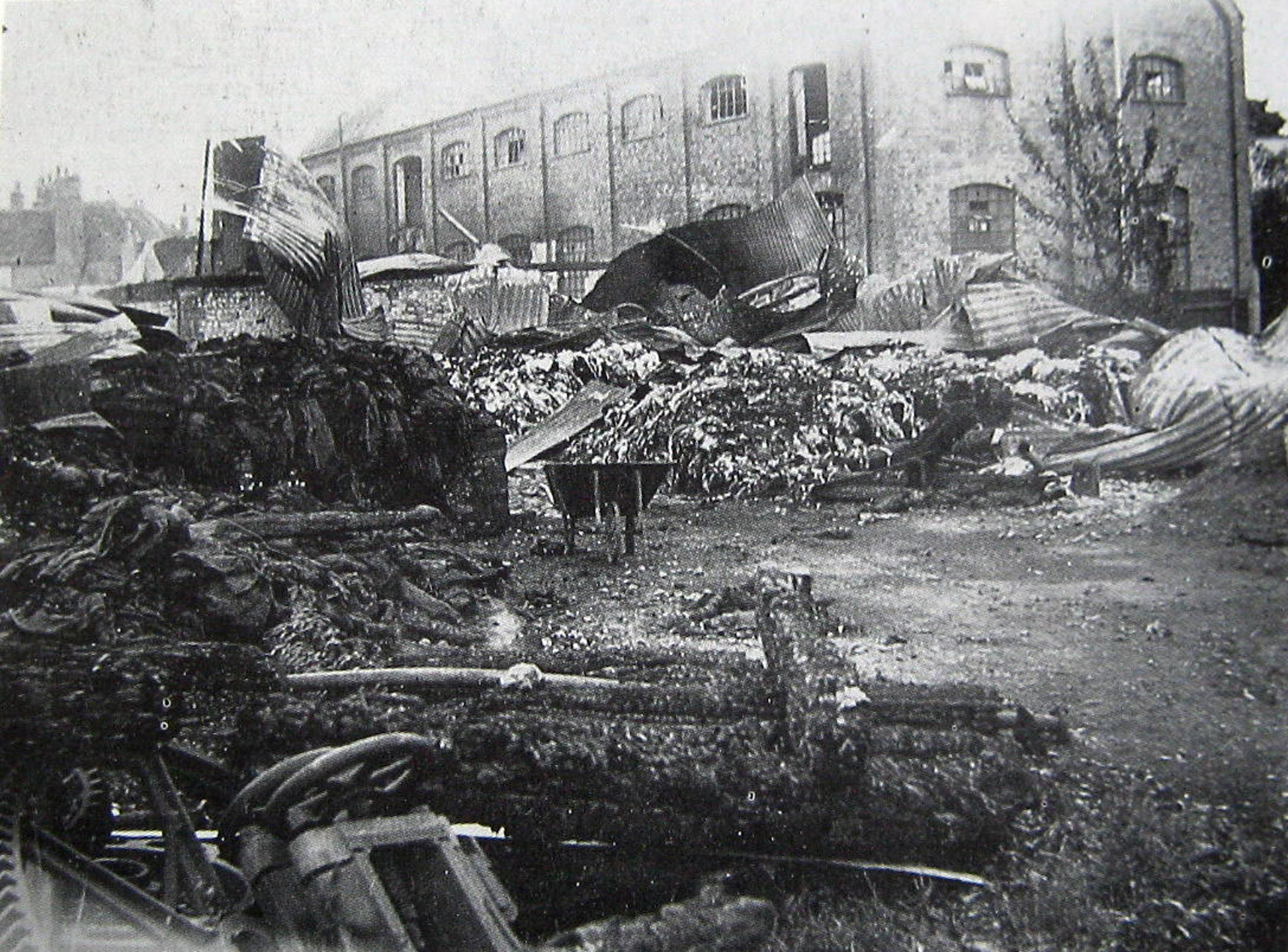
Crabble Mill Fire 10 July 1912. Thanks to Eveline Robinson

Crabble Mill Fire 10 July 1912. Thanks to Eveline Robinson

It was well used from dealing especially during the building of Admiralty Harbour. However, the fire that devastated Crabble Paper Mill on 10 July 1906 was well alight before the fire brigade was called. As was often the case, when they did arrived the water pressure was poor. Following that fire,  time and money was invested to increase the water pressure. However, this was not in time to save former Mayor, Matthew Pepper’s warehouse, on the High Street, when it was razed to the ground on 17 September 1907.

By World War I, Dover boasted of three fire engines, the Merryweather that was kept at Queen Street plus one at Maxton and another at River. During the war, Special police constables manned them and every man had to come on duty at once when the warning is given. The first moonlight raid on the country occurred on Sunday 23 January 1916, just after midnight. A seaplane dropped nine bombs and one of which caused a fire at Leney’s malthouse off Russell Street. Although, successfully dealt with by the fire brigade a steam fire engine was purchased to supplement the other appliances if the water mains was cut. This occurred following a raid on 25 May 1918 that caused fires on Priory Hill.

Margaret - Peerless Fire Engine, Priory Gate Road. Dover Library

Margaret – Peerless Fire Engine, Priory Gate Road. Dover Library

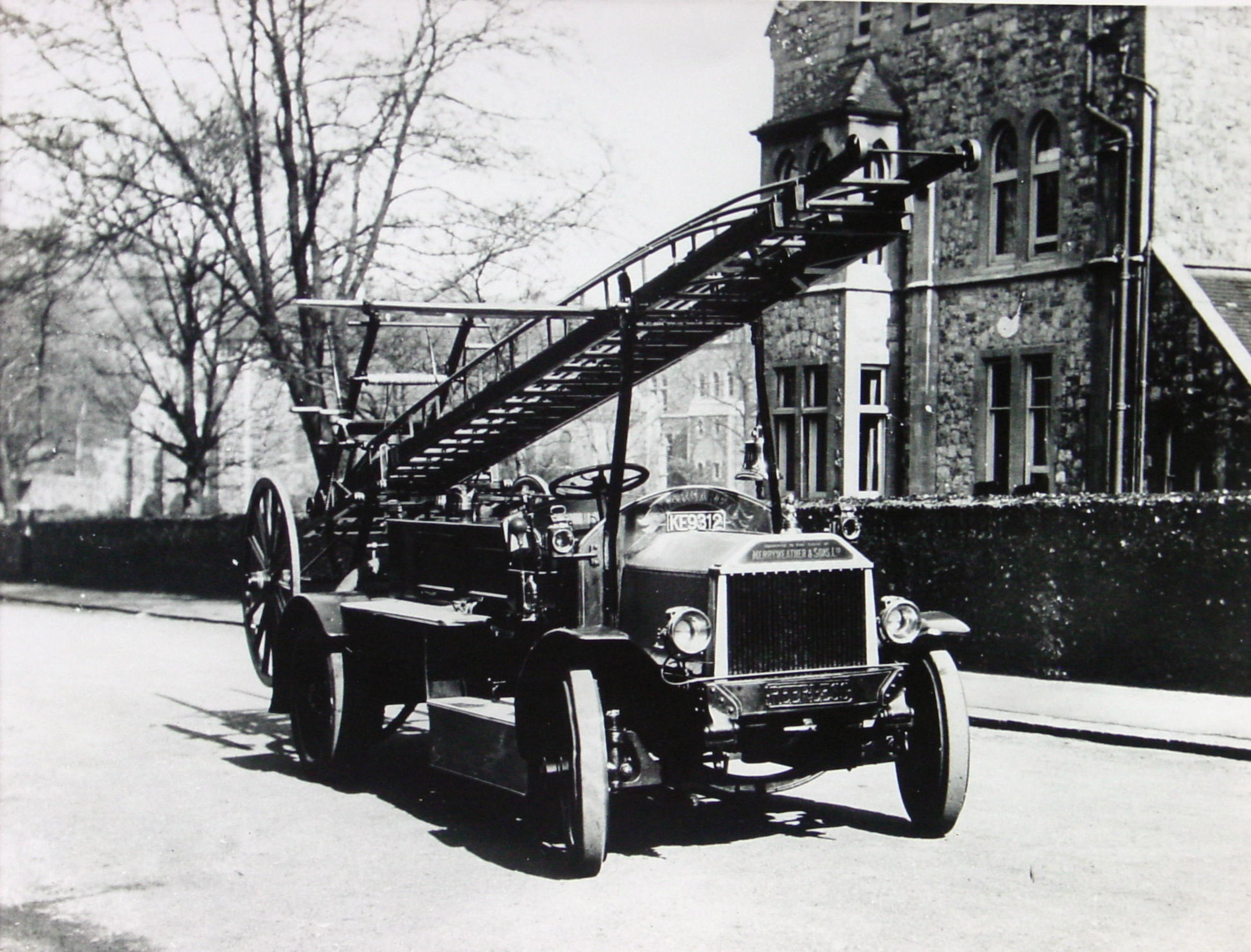
Water pressure, or lack of, however, continued to be a problem and in January 1920 a fire at Noah’s Ark Farm, Tower Hamlets demonstrated this need when several horses burnt to death. In 1922, the council bought a second-hand American Peerless chassis motorised fire engine converted by Merryweather & Sons. A Hatfield reciprocating pump was installed at the rear that, it was hoped, would make up for the lack of water pressure. The new appliance was named Margaret after the wife of the Mayor, Richard Barwick.

In 1926 Police Constable Bill Griggs, 36, and colleagues, answered a call to a fire on the motor yacht Quo Vadis in the Granville Dock. Shortly after arrival, the yacht blew up killing P C Griggs. On 7 September 1926 Dover’s Chief Constable, Alex Bond, as head of the fire brigade reported that in the six years from 1920 there had been 38 fires but the Peerless fire engine was often too heavy for use and requested a replacement.

Chief Constable Bond again made the request in 1930, saying that in the intervening time there had been 80 fires. Further, during the previous twelve months, his fire officers had attended major fires at Castle Concrete works, in Castle Street; the warehouse of Palmer and Sons in London Road; a tobacconist in Northampton Street and a fire in the stores at Dover Engineering works. In all cases, because of the nearness of residential property and their limited resources, the fire brigade had concentrated on saving neighbouring dwellings.

The Corporation responded by purchasing Ellen a Morris standard fire engine with 250/400-gallon pump but without first aid equipment. They paid £748 and was named after the wife of Mayor Alderman Russell. The new fire engine was almost immediately put into service dealing with a fire in Tower Hamlets. On that evening, the firemen were taking part as minstrel show at the Maison Dieu and turned up to the fire in costume!

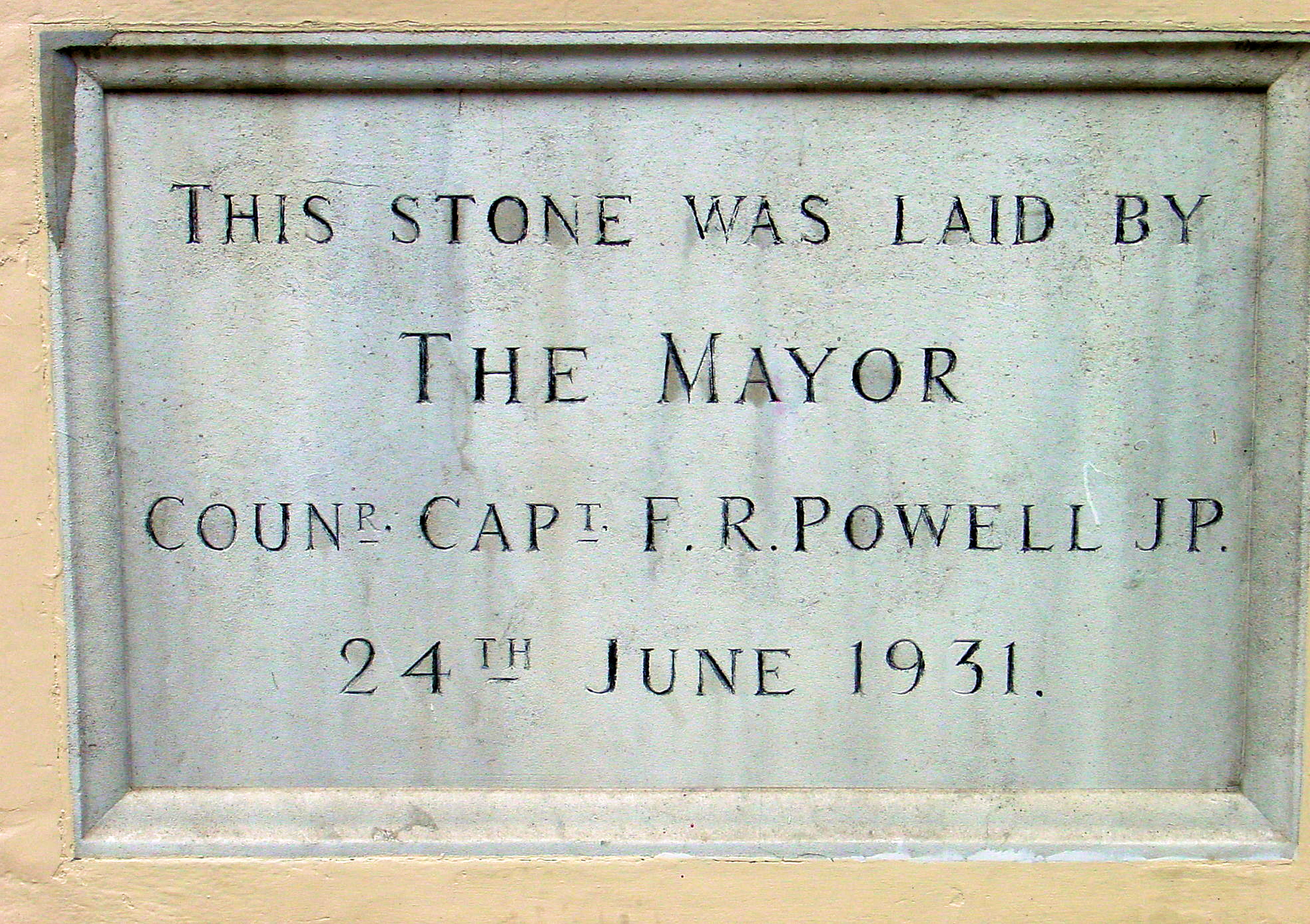
Foundation Stone of the Fire Station in Ladywell by Mayor Capt. Frederick R Powell, 24 June 1931.

Foundation Stone of the Fire Station in Ladywell by Mayor Capt. Frederick R Powell, 24 June 1931.

The Corporation also decided that a purpose built fire station was needed and on 24 June 1931, the foundation stone was laid for a new station in Ladywell. It was built under the auspices of Town Surveyor William E Boulton Smith and the Ministry of Health sanctioned the borrowing of £6,240 repayable over 30 years. The foundation stone was laid on 24 June 1931 by the Mayor, Captain Frederick Powell, and opened by him on 2 December. It cost £6,014 and housed two motor fire engines – Margaret and Ellen, a motor ambulance and a police car.

The 1936 Public Health Act included fire prevention and precaution rules but many local authorities, including Dover, did not implement it. However, with the possibility of war and Dover’s vulnerable geographic position, the Council voted to extend the rear of the fire station and purchased for £1,500 fourteen cottages in Victoria Row, which were demolished. In May 1937, a new fire engine, costing £3,650 was purchased. It was Leyland with a Tiger engine of 8.84 litres, a 104-foot (31.7 metres) Metz turntable telescopic ladder and a water tower. It was named Rosetta after Mayor George Norman’s wife.

On Wednesday 29 December 1937, Rosetta, the new engine, was put into good use when a fire destroyed the King’s Hall, Biggin Street. The alarm was raised at 05.45hrs and two police officers were sent to investigate. All seemed well until they reached an inner door leading to the auditorium. Seeing smoke coming from underneath, they opened the door and ‘the building burst into flames.’ Luckily, both police officers managed to escape. The easterly wind carried the flames and showers of sparks that started fires on nearby roofs. One of the fire/police officers, PC Punter, was very tall and it was he who operated the hose to shoot water into the heart of the fire. Following the catastrophe work to make the ruins safe was carried out by the firm of Richard Barwick with the proscenium wall was demolished under the supervision of the Chief Constable, Marshall Bolt.

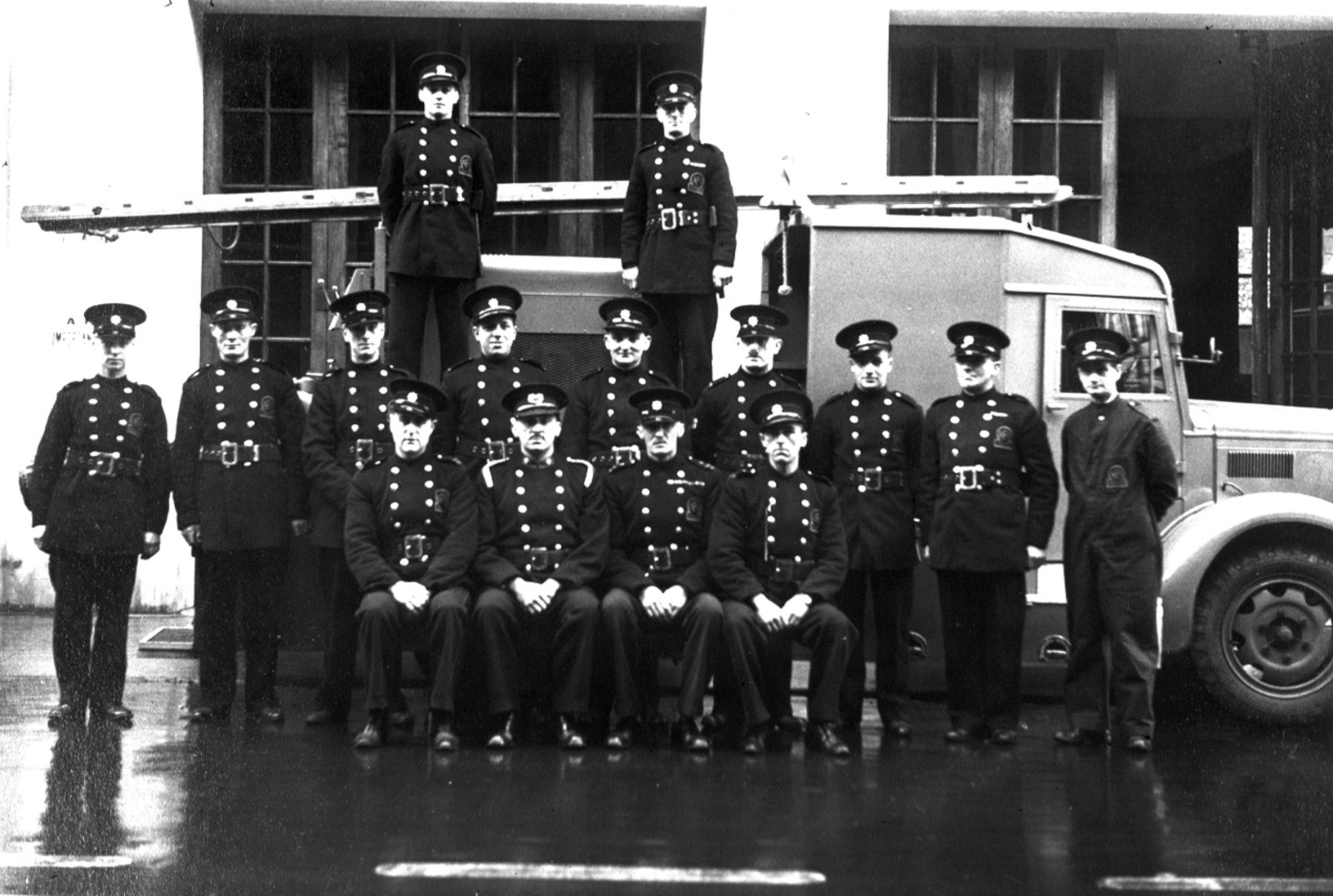
Auxiliary Fire Servicemen following formation in 1938. Dover Museum

Auxiliary Fire Servicemen following formation in 1938. Dover Museum

The Fire Brigades Act of 1938 placed the duty of providing fire protection on councils. With the possibility of war, the Auxiliary Fire Service was formed that year by which time Dover had four Coventry Climax trailer pumps and one larger pump on a four-wheel trailer. The council appointed Captain R Papillon, from Lee-on-Solent, as Air Raid Precaution (ARP) Officer in May 1938 and a store in Bridge Street was bought for ARP equipment. In July towns folk were invited to the fire station to be measured for gas masks.

Published:

  • Dover Mercury: 12 & 19 January 2012
Posted in Dover Fire Service - Part I, Local Government | Comments Off on Dover Fire Service – Part I

Castle Hill House

Castle Hill House. Alan Sencicle 2009

Castle Hill House. Alan Sencicle 2009

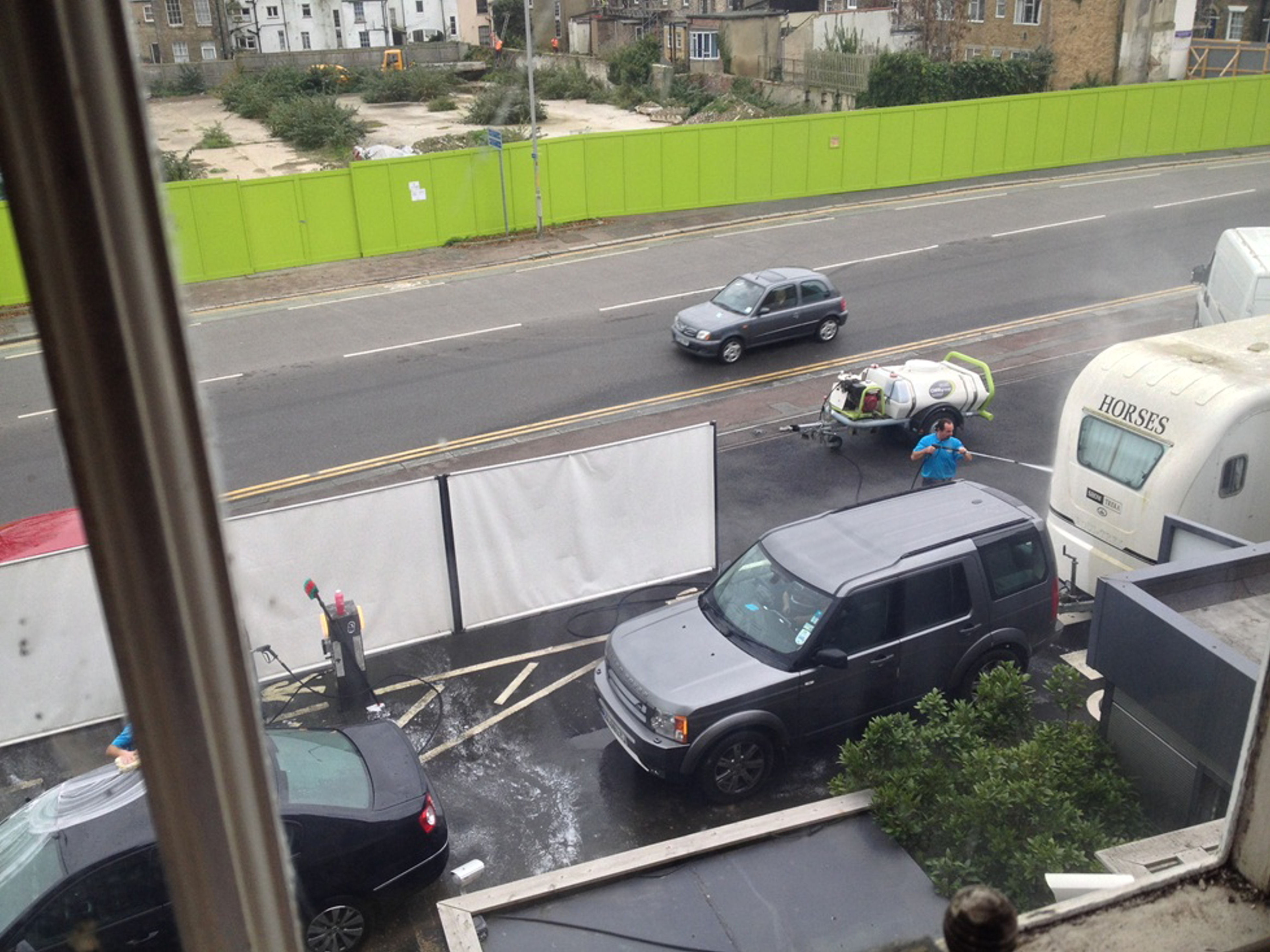
Castle Hill House is a Grade II* Listed building that overlooks Dover from the East side. Many famous people have stayed there from British Prime Ministers to American Presidents. However, Dover District Council Planning Committee without a site meeting and against the advice of the Chairman of the Committee and DDC Officers have given, what is effective retrospective planning permission, to an industrial car wash that has already done substantial damage to the building. Unfortunately, Dover’s elected representatives and those who are vying to have the building demolished to build flats want to bring it about by destroying it’s fabric.

However, the Secretary of State (2014-2016)  Elizabeth Truss took a totally different line when the House was upgraded to Grade II* listing on 22 September 2014, saying that it is ‘the grandest eighteenth century house in Dover. .. the upgrade is a reflection of it being more than special architectural interest for its quality of composition, detailing, distinctive plan form and outstanding  features, its degree of survival, its rarity of type in Dover and its historical associations with prominent local and national figures.’

The history of the House was drawn from this website! Read on, for the full account …

Phineas Stringer senior bought the land on which Castle Hill House stands, at the bottom of Castle Hill and overlooking Maison Dieu Road. He owned some 375 acres of land at Elms Vale extending to Aycliffe and Capel and including two manors. On his newly acquired land, Castle Hill House was started but he had died, in 1757, before it was completed in 1760. The mansion was set in fine parkland that extended along present day Maison Dieu Road towards Charlton in the north and up Castle Hill to the east. Between what are now Eastbrook Place and Ashentree Lane were the stables and gardener’s cottage. In front of the House was a large shrubbery. The land on which Victoria Park was built was then part of the estate and later became known as Stringer’s field.

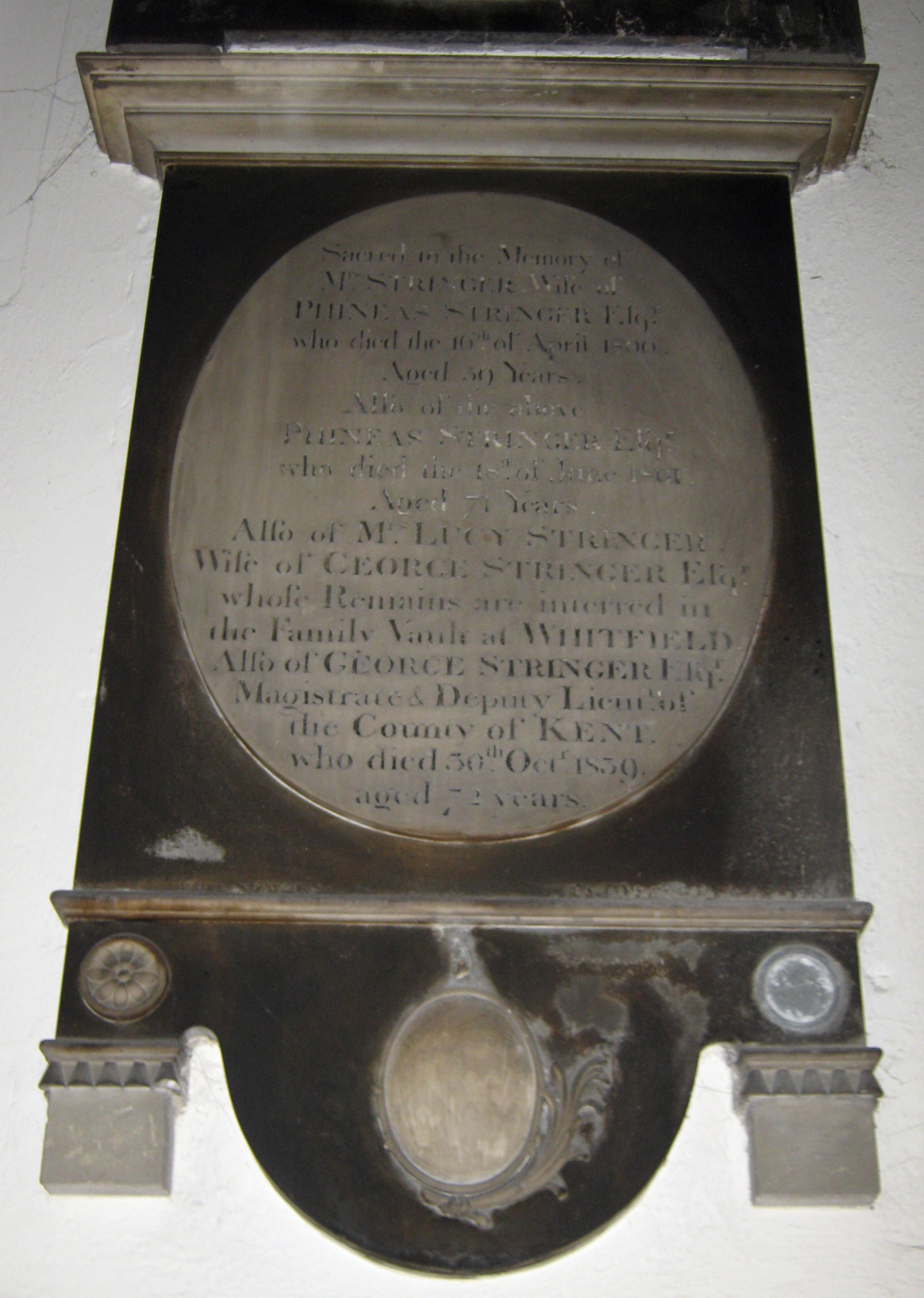
Stringer Family Memorial, St Mary’s Church.

Stringer Family Memorial, St Mary’s Church.

Phineas Stringer junior, born 1730,  inherited the estates in 1782 and was elected Mayor. He had married Affra Rouse (1740-1800), daughter of Richard Rouse a wine merchant and Mayor in 1748. Through the marriage Phineas inherited Archers Court, Whitfield. In 1785 he put on the market the Shoulder of Mutton Field, situated below the Castle, under which there were ‘two complete sets of wine-vaults.’ Phineas, listed as a wine merchant, owned one and the banker, Peter Fector, owned the other.

In March 1786, Thomas Jefferson (1743-1826) following a visit to France, returned by way of Dover staying for two days. It is known that he enjoyed the Kent countryside and visited Dover Castle. There is reason to believe that during this time Jefferson stayed at Castle Hill House. On the night of April 27th 1786 he returned to Dover with plans to take a ship back to France during the day. However, due to bad weather and the state of the roads he missed his ship, arriving in Dover around midnight. Because of the weather he could not set sail for France for 36 hours, so again, it is believed he stayed at Castle Hill House. Jefferson was an American Founding Father and the principle author of the Declaration of Independence. He was America’s third president (1801-1809).

Affra Stringer died in 1800 and Phineas junior a year later. There is a fine memorial to both of them in St Mary’s Church. Their son George had a house in Dolphin Place but following the death of his parents deaths he moved into Castle Hill House. In the grounds he built a huge barn that was a landmark for nearly a hundred years! Their daughter married Edward Broadrip and succeeded to the Elms Vale estate.

George married Lucy Walker and was Mayor of Dover in May 1802, when a Peace Proclamation with France was declared during the Napoleonic Wars (1793-1815). To commemorate this event, George and Lucy had a grand illuminated transparency hung on the front of Castle Hill exhibiting the figure of Peace. They also held a magnificent ball that was talked about for years after. George died in 1839 but long before then he had sold Castle Hill House to John Jeken.

John Jeken was Mayor of Dover in 1822 and Master of the town’s almshouses. On 16 January 1823, as Mayor and therefore Coroner, John held the inquest into the death of William Cullen of the Badger Revenue Cutter and three unnamed seamen who were members of the crew of the Three Brothers cutter. The verdict, in the case of Cullen, was wilful murder and for the three seamen, justifiable homicide. The Three Brothers was a known smuggling vessel.

The estate was put on the market in 1829. The house was described as having ten bedrooms, housekeeper and servants’ quarters, stables for four horses, a knife house, poultry house, granary, washhouse and numerous other facilities. The grounds were put up for sale separate from the house and in two lots. One was the eastern part of the estate and included Stringers Field. The second was the northern part stretching towards Charlton. John Jeken moved to nearby Hammond Place and died on 30 March 1863 aged 75.

The whole estate was bought by auctioneer, Councillor Charles Lamb (1779-1869), who put it to auction in 1832 where it went for £7,000 to Edward Knocker (1804-1884), solicitor, later Town Clerk and Mayor. Along with three other businessmen, Edward Knocker laid out Castle Street, the eastern part of which is on land that had formally been part of the estate. Edward Knocker married three times and by his second wife had several children two of which, Edward Wollaston Knocker (1838-1907), known as Wollaston, and Vernon Knocker (1849-1933), became solicitors.

Wollaston Knocker Town Clerk 1884-1907

Wollaston Knocker Town Clerk 1884-1907

Wollaston, resided at Castle Hill House and was appointed Town Clerk in 1884. On taking up the office, he increasingly worked from home eventually building an annex from where he ran the town council and Dover! A great administrator, Wollaston Knocker guided the council through the maze of increasing legislation during which time the harbour changed from a provincial seaport to a major Admiralty port. In his final years, Dover was one of the most affluent towns in the country with a thriving port, military establishment and attracting wealthy visitors.

Edward Knocker had been an antiquarian rising to become the chairman of that Society and Wollaston was of a like mind. He did everything he could to preserve Dover’s history. When the Round Tower in the Pier District, was discovered in 1880, he ensured that the ruin was documented and what he managed to rescue before it was destroyed ended up in his garden. The Round Tower had been a prominent part of the Tudor harbour and is the subject of a window in the Maison Dieu, depicting Henry VIII’s (1508-1547) departure from Dover on the diplomatic mission to the Field of the Cloth of Gold on 31 May 1520.

In April 1893 the town paid £235 6s 3d to build a ‘thick’ wall around Castle Hill House. The following year Wollaston rescued a stone bearing the inscription H.I.M, dated 1666, found during a demolition. This was believed to come from St Helen’s Gate section of the town walls (now disputed) and he had it built into the recently erected wall. Sadly, when the wall was to be demolished some years ago, local historian, Budge Adams (1909-2000) tried to rescue it but unfortunately the demolition men ‘lost’ it.

So revered was Wollaston, in the town, that as he lay dying in Castle Hill House church bells were silenced, traffic slowed down and people spoke in hushed tones when they passed the house. He died on Sunday 22 September 1907 at 02.00hrs and immediately all the flags in the town were lowered to half-mast. A day of public mourning was held on the day of his funeral. He was buried in the family vault at Cowgate Cemetery.

Arthur Burr. Dover Museum

Arthur Burr. Dover Museum

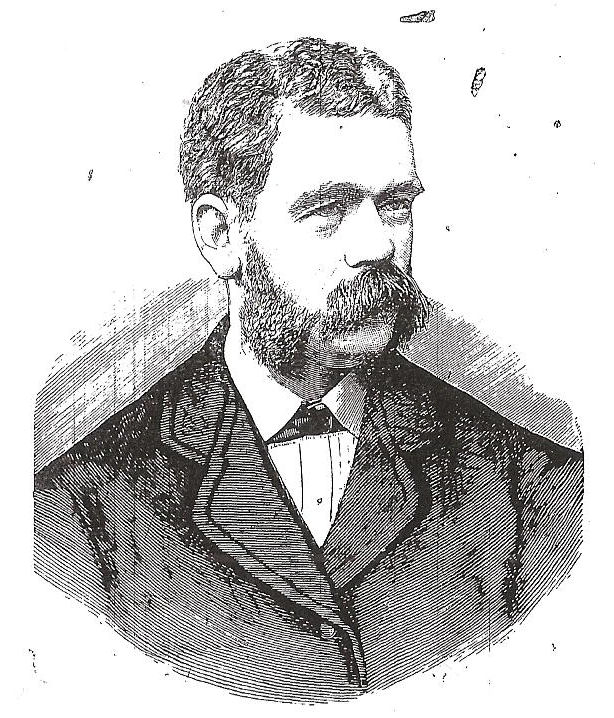
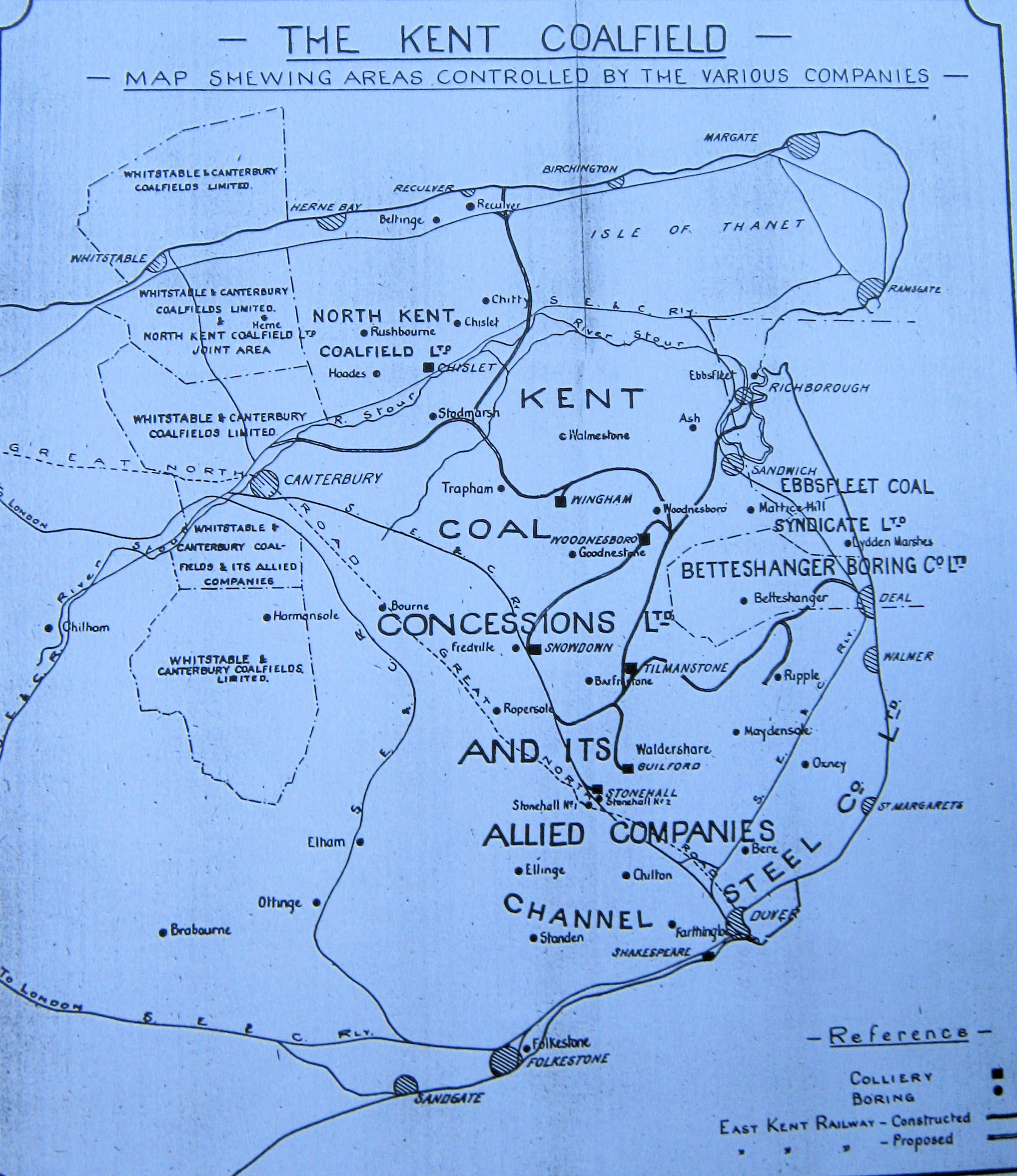
On 9 October that year, it was agreed to hang the portrait of Wollaston in the council chamber and to appoint his eldest son, Reginald Edward Knocker (1871-1956), to fill his father’s position. The job of the Town Clerk was then divided, creating the post of Borough Accountant. Reginald was Town Clerk until 1935. In 1913 he moved his home and practice to 69 Castle Street at which time Kent Coal Concessions moved into Castle Hill House. Arthur Burr had formed this company in 1896 with the purpose of buying potential underground coalfields but not the surface land. He planned to sell or, ideally, lease these acquisitions for the royalties. By 1906 the company had secured coal mining rights over 20,000 acres of East Kent sufficient, it was said, for 20 collieries. Burr had holdings in a number of associated companies including the East Kent Colliery Company that owned Snowdown Colliery. Here, the first commercial East Kent coal was raised on 19 November 1912.

Kent Coal Fields Control

Kent Coal Fields Control

In February 1913, Burr received the Freedom of Dover and in April that year gave his address as Castle Hill House. He had also successfully cleared his debts, through the Official Receiver, that had accrued up to 1898 against his estate. So all augured well, but some six months before, Burr had announced the intention of floating a new company, as a subsidiary of Kent Coal Concessions, that was to ‘exploit undeveloped areas of East Kent.’

A previous similar floatation had not been a commercial success and the Company Board were not happy. The situation came to a head at a meeting on 31 July 1913, when Burr along with his son, Dr Malcolm Burr, were ‘retired’ and the remaining directors consolidated Kent Coal Concessions. In May 1914, Burr attempted to raise £77,000 in debentures and £800,000 in income bonds for his East Kent Colliery Company. Little interest was shown and the holdings were handed over to Kent Coal Concessions by the Official Receiver, with the remit to consolidate. In December 1917, Burr was declared bankrupt with debts amounting to £53,176. He died in September 1919, aged 70.

During World War I (1914-1918), many of the different East Kent coal mining interests were transferred, with the Treasury’s approval, to the Channel Steel Company. In 1922, that company took over rights held by Kent Coal Concessions who still retained some mineral rights. However, the country was in an economic depression with imported coal cheaper then home produced and nobody was interested in leasing these.

In 1925, the directors applied to reduce the capital with a view to paying off Company debts and possible liquidatation. High Court judgement found in favour and although the decision went to Appeal the following year, it was upheld and Kent Coal Concessions vacated Castle Hill House.

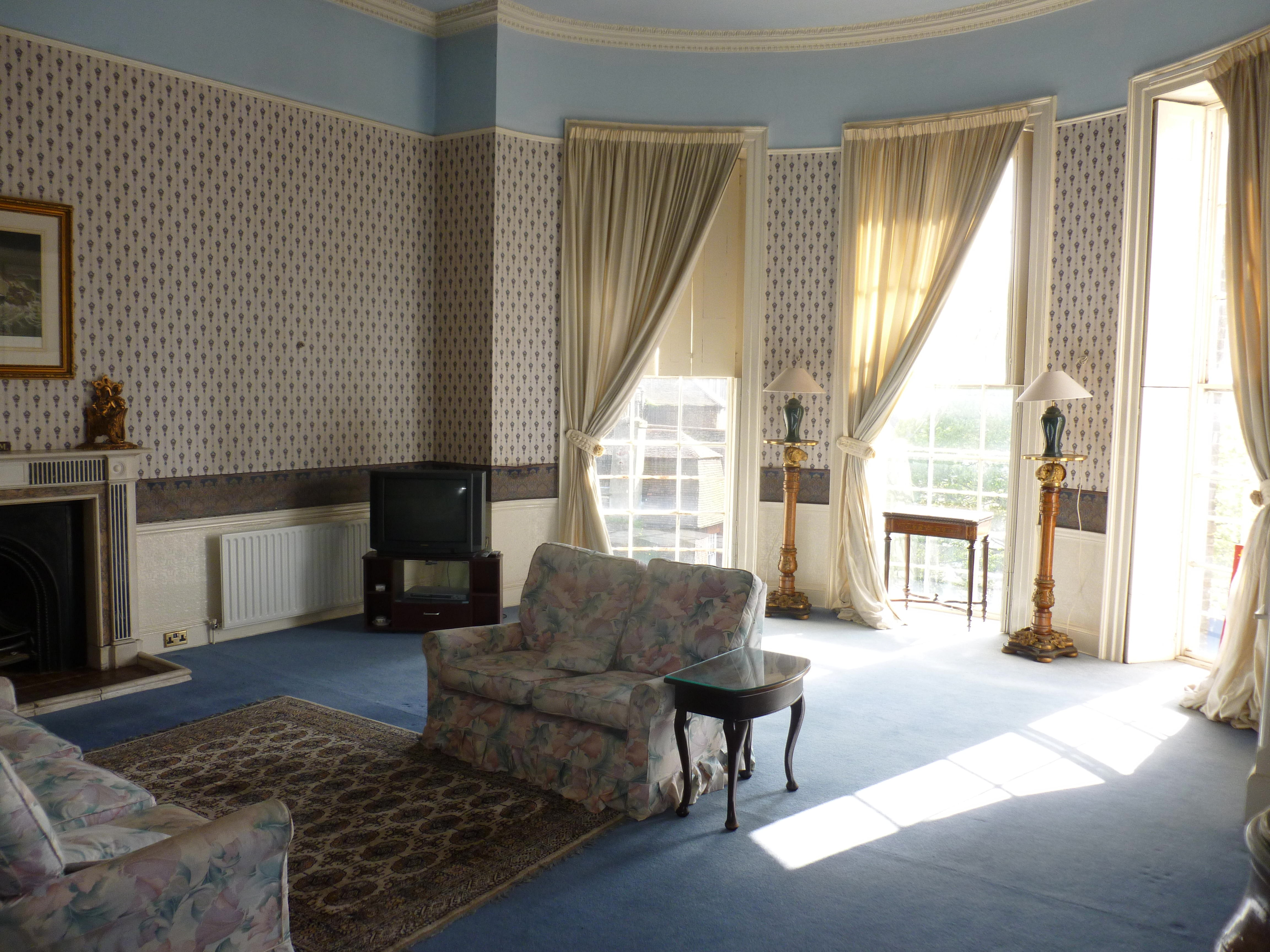
Castle Hill House today - the Lounge. Tersons

Castle Hill House today – the Lounge. Tersons

The Dover Labour and Trade Union club bought the House early in 1928 and refurbished it throughout. Jack Hayes (1887-1941) officially opened it on the 28 July as their headquarters. He was the first Labour Member of Parliament in Liverpool where he represented the Edgehill Division. The club stayed until June 1933 when the deeper economic depression forced the Party to sell the building. The advert stated that the House was a commodious property with 29 rooms.

Rowland and Rowland, wholesale grocers, bought Castle Hill House and in the gardens built new offices and warehouses facing Maison Dieu Road. These came into operation in October 1934 and about the same time the company rented out Castle Hill House. It became a night-club with ‘hotel’ rooms and was known as Rennie’s Club.

In February 1935, the Club was subject to a police raid when it was found that sixteen people, including a 15 year-old girl, were on the premises and five of the guests were consuming intoxicating liquor outside of permitted hours. The Secretary was fined a total of £50 with £10 costs and two others £5 each.

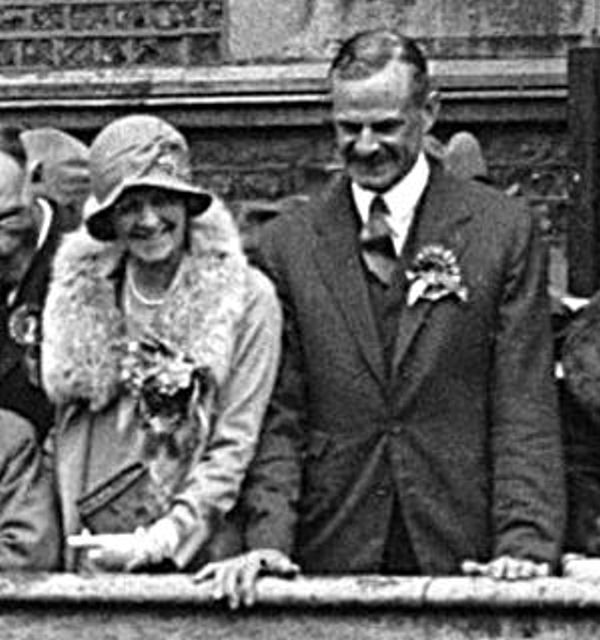
Major John Astor MP and Lady Astor 1929. Dover Museum

Major John Astor MP and Lady Astor 1929. Dover Museum

The Club closed and the House was put on the market. It was bought by Dover’s Member of Parliament (1922-1945), Major, the Hon. John Jacob Astor, as his constituency home. He had previously had a flat in the Carlton Club, Market Square. This, in 1928, had become the headquarters of the local Conservative Party – his own political Party. It is said that both Neville Chamberlain (1869-1940) British Prime Minister (1937-1940) and Winston Churchill (1874-1965) British Prime Minister 1940-1945), stayed at Castle Hill House during these troublesome times.

The ‘office’ annex of Castle Hill House was let to Kent County Council and the Premier Dance School, whose principal was local character Freddie Overton. During World War II (1939-1945), the House was used as a welfare centre for troops and although the surrounding area suffered severe war damage, it survived relatively unscathed. However, shelling in 1942 destroyed the Conservative headquarters (Carlton Club) in Market Square. Following the War, the council purchased the Carlton Club for £3,383.

Major Astor decided not to stand in the post-war election of 5 July 1945 and on 10 May 1946, let Castle Hill House to the local Conservative Party and on 30 June 1949 the building was given a Grade II listing. Created Baron Astor of Hever in 1956, Lord Astor died in 1971 bequeathing the House to the Party. On 8 December 1994, the building was put up for sale when it was noted that both Winston Churchill and Margaret Thatcher had visited the House. The Grade II Listed building was bought by Robert Adams, of the old established firm Adams Printers of Dour Street and son of the local historian, Budge Adams.

Robert Adams undertook considerable renovation before putting the house on the market. A film director and his wife, who is an executive with Fox Films, then bought the house. They planned to carry on with renovations that would have resulted in an upgrade of the Listing. Unfortunately, during the time the house was on the market a car-wash had opened, without planning permission, adjacent to the Listed building such that the wash was causing structural damage. Dover District Council Conservation Officer was called in to investigate and when the car-wash company finally applied for planning permission, the three-page conservation officer’s report strongly advised the Planning committee not to give permission to the industrial car-wash.

The rebel Tory Dover Councillors, with one eye on the 2015 General Election and the threat of the United Kingdom Independent Party (UKIP), whose candidate in the Dover constituency waxed lyrically in social media on behalf of the industrial car-wash company, gave permission. One of the rebel councillors, James Back, contacted Lorraine – the editor of this web site – saying that there had been a car wash on the site  for some 45-years. Even the manager of the industrial car-wash publicly admitted that it had only been up and running for 18-months when he sort Change of Use retrospective permission. Her response was  – pull the other one Cllr. Back!!! 

Incidental to this, the present owners bought Castle Hill House through Terson’s Estate Agents in Castle Street. The owner is a close friend of the former UKIP candidate, as can be seen in the article uploaded with the Transparency story. Lorraine wrote the historic background that was used with the Terson’s Castle Hill House sales spiel at the request of the previous manager. The events leading to the uploaded article and Lorraine’s subsequent blacklisting, happened at the time the sale was going through.

Dover District Council approved Car Wash from lounge window of Grade 2 listed Castle Hill House Sunday 1 November 2014

Dover District Council approved Car Wash from lounge window of Grade 2 listed Castle Hill House Sunday 1 November 2014

On the right is a photograph taken from the lounge window of Grade 2* listed Castle Hill House on Sunday 1 November 2014, of the facility that Councillors at Dover District Council approved. This was with the backing of the Mayor of Dover and a Politician running on the forth-coming General Election.  The local media, except one that was pro the car wash, had been notably quiet.

The owners of Castle Hill House started to seek redress  in the hope of reversing this idiosyncratic decision. Although unsuccessful, the car-wash subsequently closed down

Grade2* listed means that the building is of significant national importance and must be preserved etc.

Castle Hill House was Grade II listed on June 30th 1949. This listing was upgraded to Grade II* on September 22nd 2014.


  • Originally Published:
  • Dover Mercury: 25 April, 2 & 9 May 2013
Posted in Buildings, Castle Hill House, Castle Hill House, Castle Hill House, Castle Hill House and the Car Wash, Kent Coal Field, Local Government, Wanton Destruction | Comments Off on Castle Hill House

Television Transmission and Production from Dover

Television transmission digital switchover took place in Dover in June 2012, which meant that analogue service was no longer available. That was the latest major change in the long history of television transmission and production that once Dover was a major campaigner. Later, the town had its own television station from which programmes were broadcast throughout East Kent. Now, its only claim to fame is when a national media person either broadcasts from the cliffs overlooking the Eastern Docks or walking along the seafront.

Duke of Yorks School. Dover Library

Duke of Yorks School. Dover Library

BBC inaugurated the world’s first television service on 2 November 1936 from Alexandra Palace but this did not reach Dover. The town had to wait until Whit-Monday 1947, following World War II, when television was demonstrated at the Duke of York’s Military School fete.

The town was impressed and the council took it upon themselves to ensure that Dover would be one of the first places in the country to have television and an application was sent forthwith to the Post Master General. At the same time, the council complained about the town’s poor radio reception and asked for that to be improved.

Arthur Goodfellow - Mayor 1946-9

Arthur Goodfellow – Mayor 1946-9

So sure that the Post Master General would be sympathetic that three different companies made applications to the council for consents and wayleaves (permission to use private land) for a radio relay system for sound and television. Former Mayor, Councillor Arthur Goodfellow and the Town Clerk, James A Johnson, were appointed to assess their merits.

The two looked at systems operating at Margate and Gloucester and an agreement was made with Northampton Wireless Relay Ltd, subject to two licences being obtained from the Post Master General. Once obtained, it was said, the company would have a radio relay in operation within a matter of weeks and television in about eighteen months.

 Booster Transmitter, Winehouse Lane, Capel came into service 1951

Booster Transmitter, Winehouse Lane, Capel came into service 1951

The licence for radio was forthcoming but not the one for television. This was taken up by Dover’s MP, John Arbuthnot, who raised the matter in the House of Commons, but to no avail. Albeit, the BBC did agree to erect a low power ‘booster’ transmitter west of Winehouse Lane, Capel, to serve the Dover and Folkestone area. This came into operation on Sunday 23 December 1951 transmitting the BBC West of England Home Service – today it transmits BBC Radio 5 Live.

With the prospect of Elizabeth II’s Coronation looming, in 1952, the council tried again but failed to get relayed television for Dover. Again, John Arbuthnot brought the matter to the attention of Parliament and appeared to have succeeded. However, a clause in the Postmaster General’s consent stated that the receiving station was not to be ‘remote.’ When Northampton Wireless Relay Ltd proposed to erect this at the top of Lydden Hill, it was refused as being too remote.

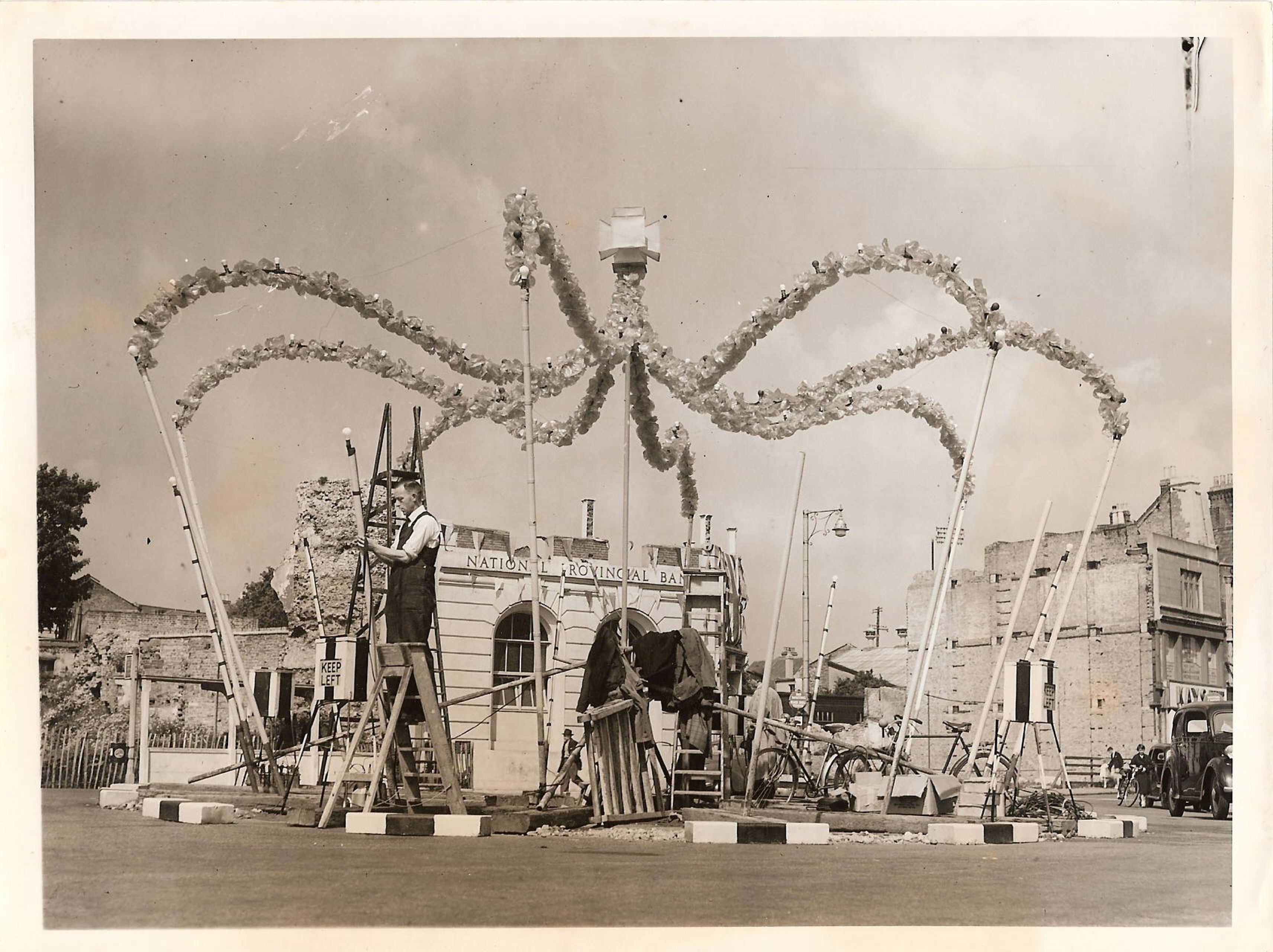
 Market Square preparing for the Coronatation 1953. Dover Library

Market Square preparing for the Coronatation 1953. Dover Library

The Coronation took place on 2 June 1953 and many householders in the country bought their first television set especially for the occasion. However, in Dover reception was very poor as the only available signal was from Alexandra Palace in north London. The council, sensing the mood, spent over £1,000 festooning the streets with bunting and there was a spectacular flowerbed centred by an illuminated crown in Market Square. The decorations were said to be the best in Kent and the best in the country for a town.

At the time the BBC were using the tower as a temporary repeater station to beam television across the Channel to Calais and from there, using repeater stations, throughout the Continent. The conversion from the British 405 lines to the Continental 625 lines was undertaken by the receiver stations but it did mean that viewers in Paris, Rome and Berlin were able to view Queen Elizabeth II’s coronation on BBC but not the locals in Dover!

Hopes were raised in January 1954 when authority was given to the BBC to set up six new television stations, one of which was to serve Dover. This was not forthcoming although the introduction of transmissions from Crystal Palace, from 28 March 1956, did improve reception.

Rediffusion logo. Thanks to Gerald Clode

Rediffusion logo. Thanks to Gerald Clode

Rediffusion had been granted relay licences to Ramsgate in 1928 and Thanet in 1929. In 1945, this was extended from the Strait of Dover to the Bristol Channel and the use of polythene for cable encasing had been introduced. The first cable television experiments took place in Thanet in 1950. When the Crystal Palace TV transmitter came on line, broadcasts were relayed to an aerial at Ripple Mill and distributed through cables to subscriber homes in the Dover and Deal area. In August 1984, the Rediffusion Cablevision operation opened in Coombe Valley Road.

In 1956 a permanent two-way cable television link was established between London, through St Margaret’s Bay, to the Continent. The following year the BBC converted Swingate to receive Continental transmissions as well as sending them. This was to enable British who could get BBC, to see the Queen on a State visit to France and Denmark.

Exasperated by BBC’s continual procrastination, in 1957 Dover Corporation sent a deputation to see the Director General. They were promised a combined television and VHF (FM) station to serve the Dover and Folkestone area to be erected in 1958. Time passed and in 1959, the BBC informed the Town Council that it was unlikely their permanent combined television and VHF station to serve the Dover area could be built until 1960-61.

Southern TV logo - Internet

Southern TV logo – Internet

In the meantime, the Croydon transmitter was built to broadcast the London ITV signal. After fierce competition, Southern Television won the ITV franchise for the south and southeast of England. They went on air at 17.30 on Saturday 30 August 1958 from their studios in Southampton using Swingate masts as a relay to Dover.

In 1959, the Corporation leased land on Russell Street to Southern Television Ltd for television studios and offices. At the same time, the Independent Television Authority erected a 750-foot (approx. 228.6 metres, later extended to 798-feet, 243.2 metres) VHF television transmitter at Hougham that transmitted a 405-line signal. This came into full service on 31 January 1960.

Southern Television studios Russell Street. Dover Museum

Southern Television studios Russell Street. Dover Museum

The studios on Russell Street were mainly used to produce dedicated Southeast news bulletins as well as the Wednesday and Friday magazine programme Scene South East. The studios also made non-news programmes and documentaries such as Farm Progress, Guideline, Elusive Butterflies & Dougalling as well as the nightly Epilogue. Commercials specific to the area helped local businesses and gave the station a feeling of belonging to Dover.

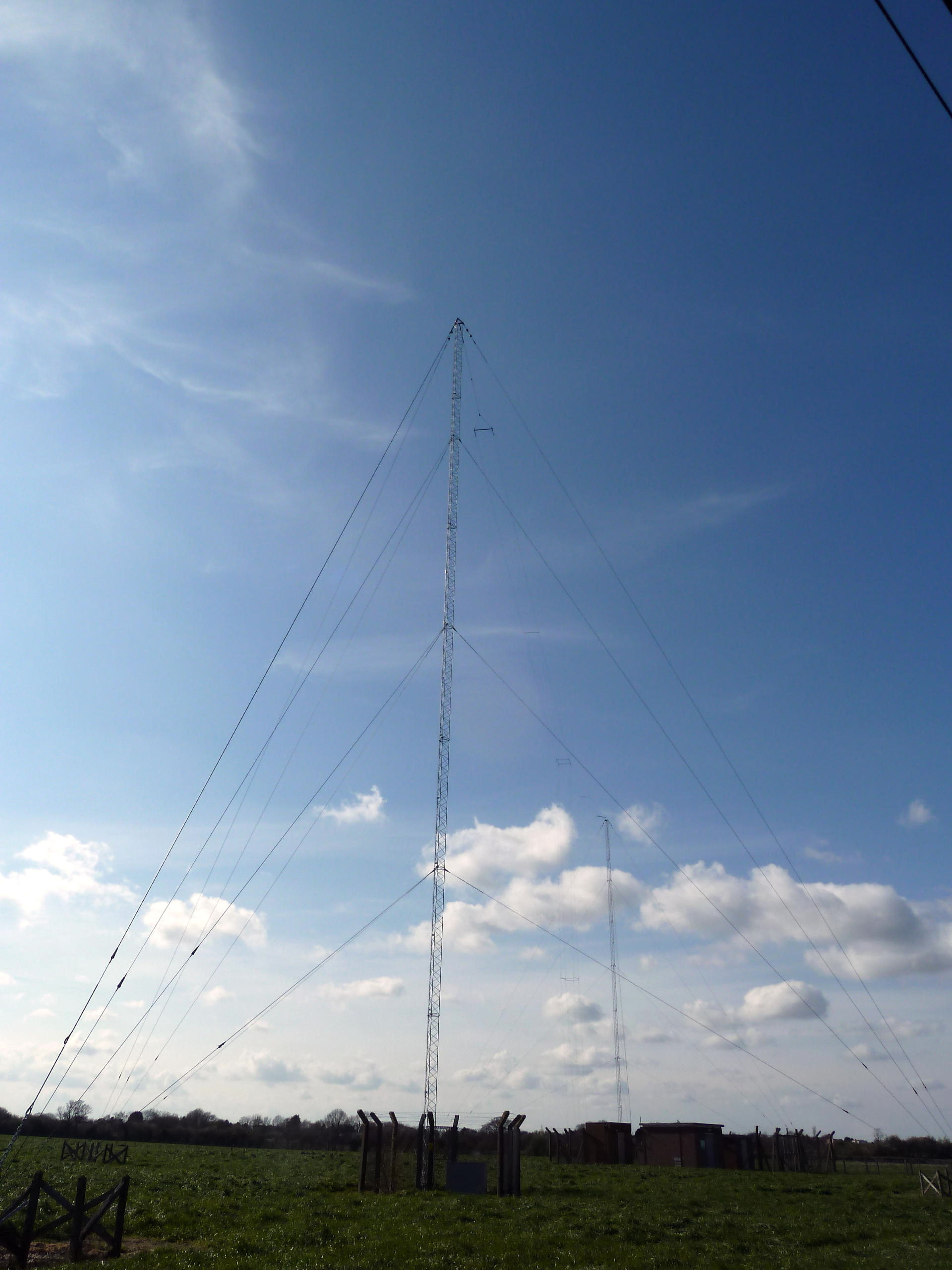
Three Swingate Towers c2000 - Phil Johnson

Three Swingate Towers c2000 – Phil Johnson

It was in 1961 that the BBC eventually kept their promise. Initially they introduced low powered TV transmission from Swingate and later that year VHF (FM) radio from the same site. Use was made of the existing WWII Chain Home radar receiving towers. From 11 February 1967, BBC2 was broadcast to Dover using the Hougham transmitter. In 1968, the Independent Television Authority authorised the transmission of 625-line colour from Hougham. ITV transmission began on 13 December 1969 followed by BBC1 on 3 January 1970.

Hougham mast came into service 1960. Alan Sencicle 2012

Hougham mast came into service 1960. Alan Sencicle 2012

Southern Television ceased broadcasting at 00:43hrs on 1 January 1982 when they lost the franchise to Television South (TVS). Southern eventually sold their studios to the new company as well as a site at Vinters Park, Maidstone. There TVS built a studio complex closing the Dover studios in 1983. Adams the Printers moved into the building about 1983-4 and stayed there until moving to Dour Street, after which the studios were demolished.


  • Published:
  • Dover Mercury:  14 June 2012
  • Film of the opening of Southern Television in Dover, thanks to Nic Ayling, Managing Director, Southern Television: www.youtube.com/watch?v=V98-0OIrDcs
Posted in Local Government, Societies, Culture and Entertainment, Television Transmission and Production from Dover, Television Transmission and Production from Dover | Comments Off on Television Transmission and Production from Dover

Wartime devastation of Dover and the Abercrombie Plan

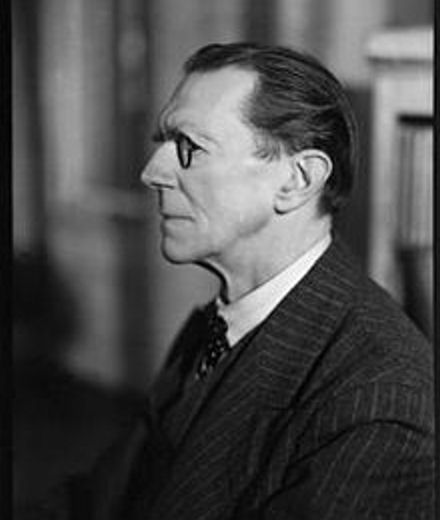
Town Planner Patrick_Abercrombie (1879-1957)

Town Planner Patrick_Abercrombie (1879-1957)

Town Planner, Professor Patrick Abercrombie (1879-1957) in 1928 provided East Kent with a plan to meet what was then believed to be a dramatic expansion of the Kent Coalfield. The economic depression of the 1930s put an end to those dreams, but from the Professor’s plan the villages of Aylesham, Elvington and Hersden along with Mill Hill, in Deal, developed.

Dover, during World War II was not called ‘Hell Fire Corner’, for nothing and in 1943, Dover Corporation worked on a plan for reconstruction when peace came. In the event the situation did not abate and following the D-Day landings (6 June 1944) and while the
Germans were being driven out of France, the attacks increased. These intensified as the Canadians were closing in on German gun emplacements along the Pas de Calais.

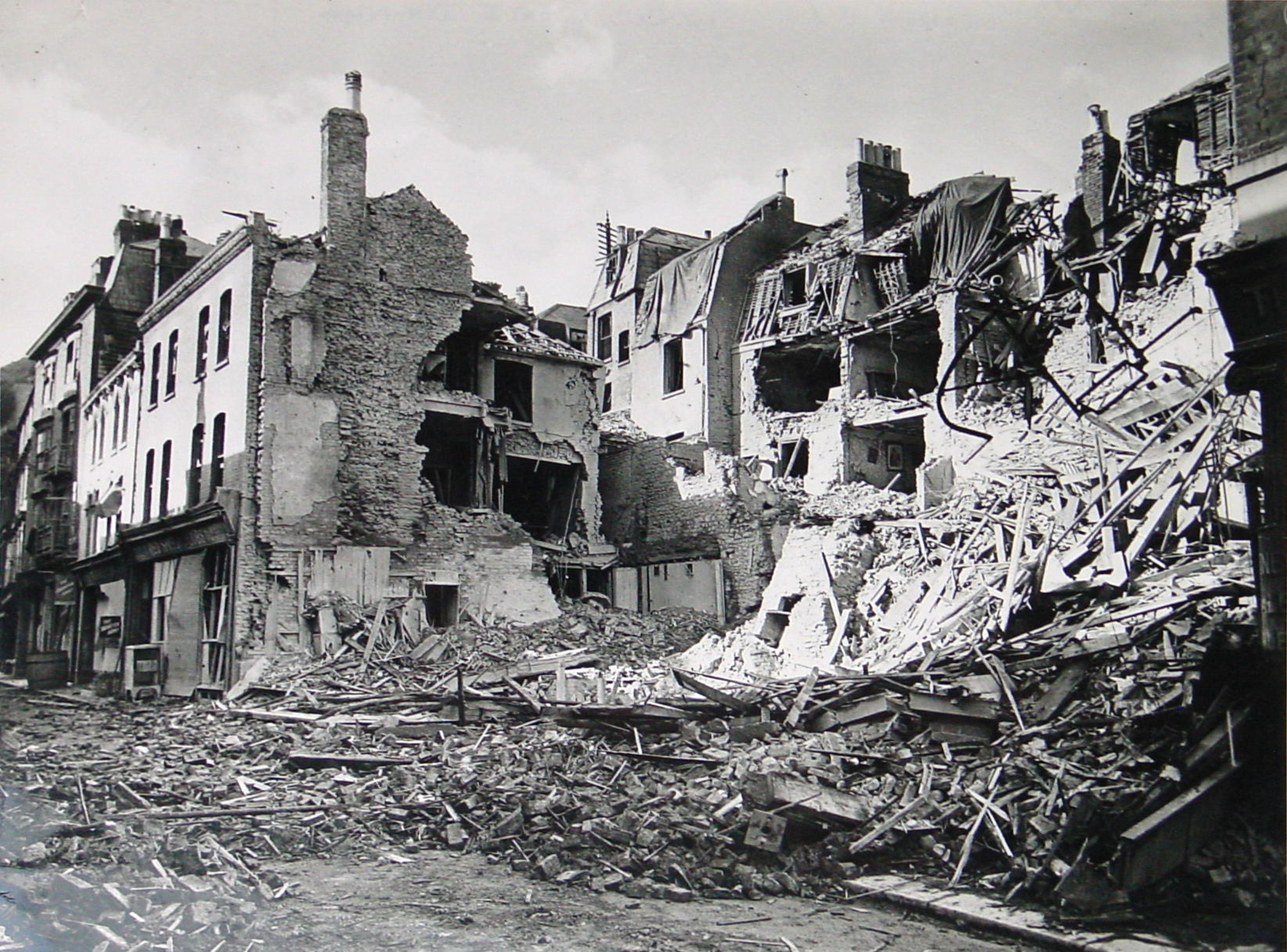
Snargate Street and Five Post Lane. Kent Messenger.

Snargate Street and Five Post Lane. Kent Messenger.

Dover Society Plaque - Last Enemy Shell WWII - Castle Street

Dover Society Plaque – Last Enemy Shell WWII – Castle Street


German soldiers, in their heavily fortified emplacements, seemed to want to use up all their ammunition before surrendering. According to an American reporter the, ‘attacks increased to such intensity at the end of August and throughout September as to be very like the bombardment of a city under siege.’ On Tuesday 26 September, more than 50 shells were fired at the town and at 19.15hrs a shell hit Hubbard’s umbrella shop, Castle Street, destroying it and the adjacent premises. This was the last shell of World War II to hit Dover and do any material damage. The replacement building has a commemorative Dover Society Plaque.

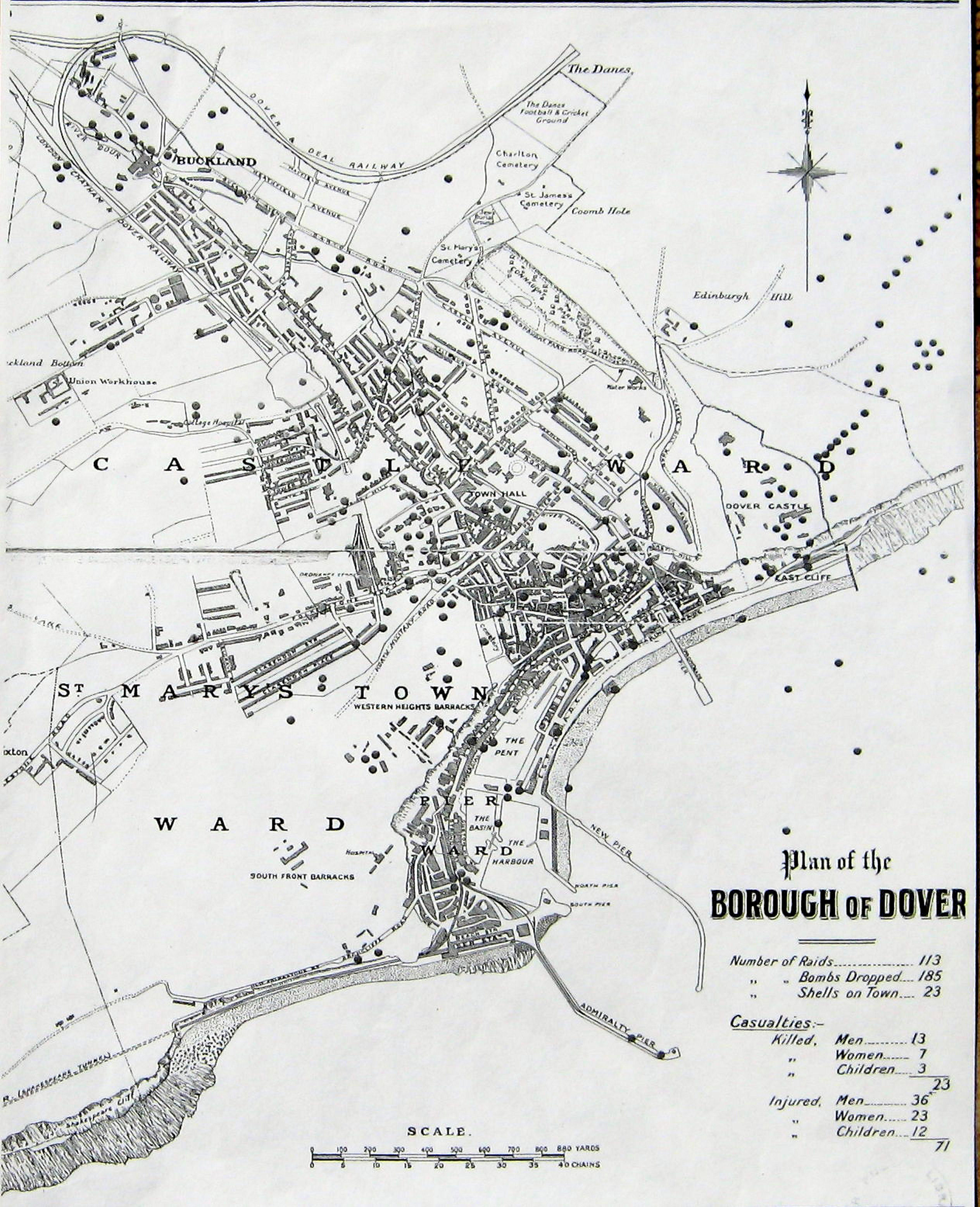
Dover - Raids, Shells and Casualties - WWII

Dover – Raids, Shells and Casualties – WWII

When the shelling ceased it was estimated that the war damaged sustained by the town was proportionally greater than in any other town throughout the country. 957 houses had been destroyed; 898 seriously damaged but in part fit for uneasy habitation; and 6,705 were less seriously damaged. Public buildings, general businesses and industrial premises were also badly damaged.

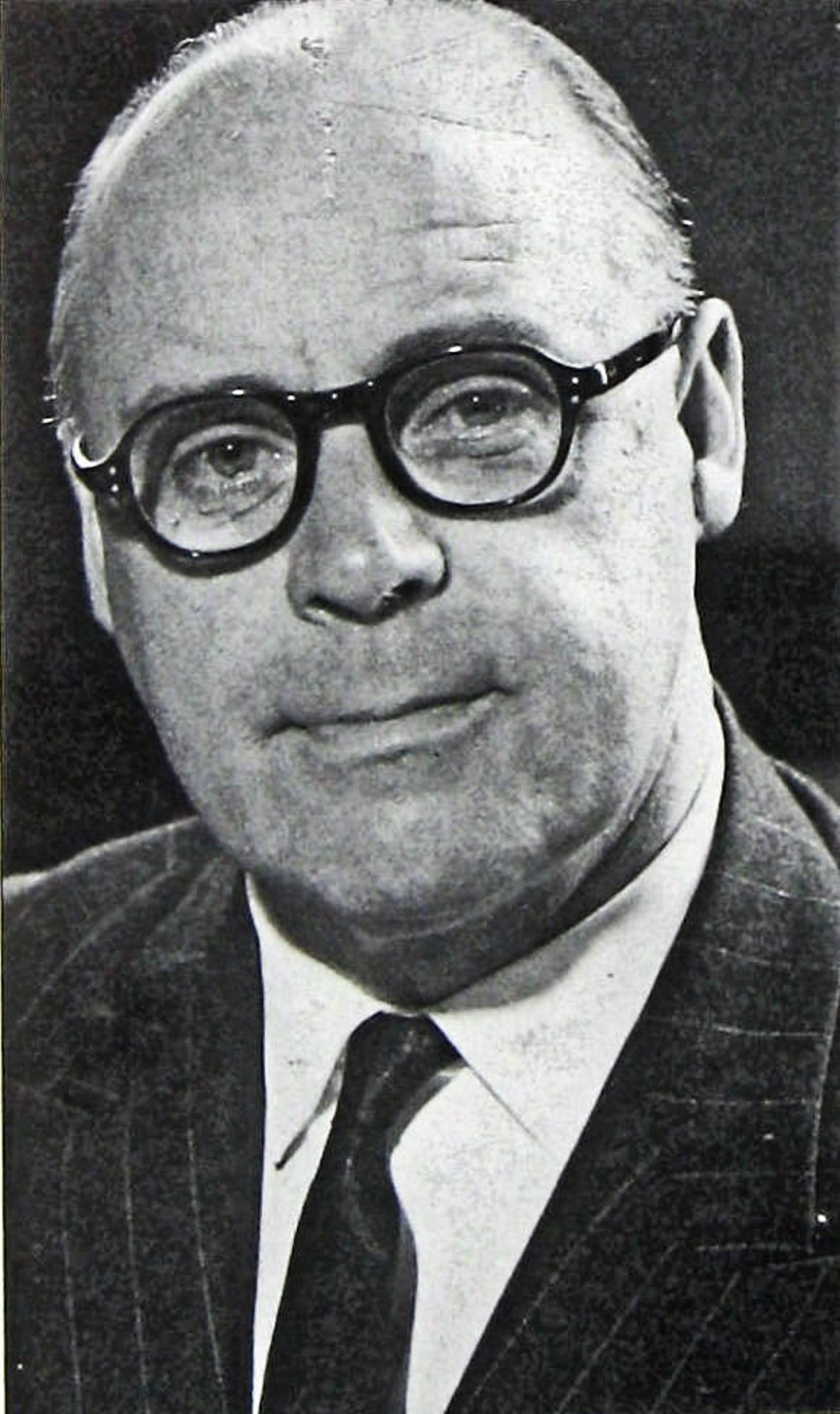
James A Johnson Dover Town Clerk 1944-1968

James A Johnson Dover Town Clerk 1944-1968

Dover’s Town Clerk, at the time, was solicitor James Alexander Johnson, known as James A.  When he was appointed in December 1944 he had already earned a name for himself as having a brilliant incisive mind and dogged determination. James A. was to use these skills to propel the reconstruction of Dover, based on the plans drawn up by Dover Corporation.

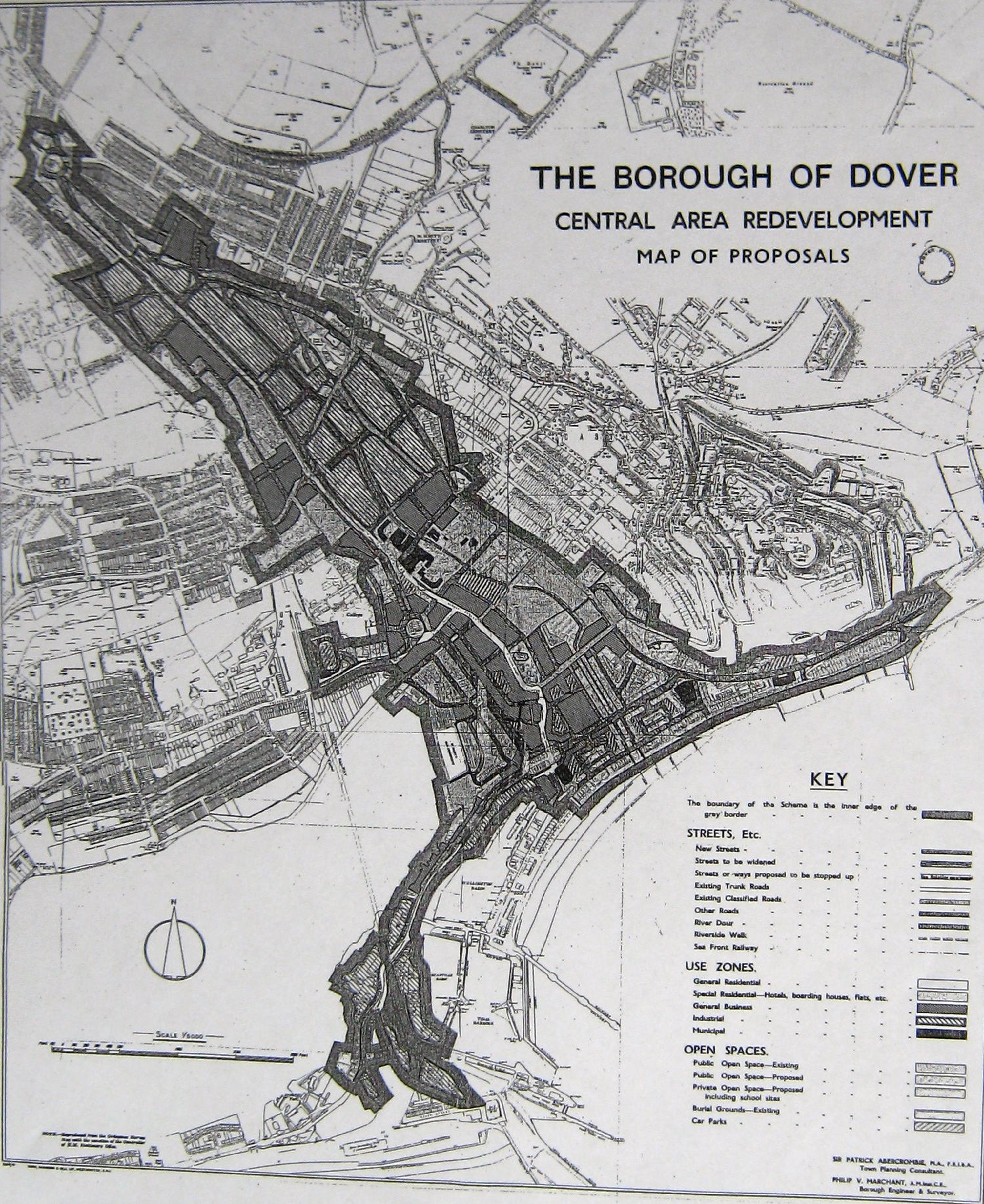
To give weight to the proposal Professor Abercrombie was hired for a fee of 1000 guineas (£1,050), to produce a Reconstruction Plan from which the Council could, ‘proceed systematically over the next twenty years … (and) … which will beautify Dover and make it worthier of its ancient heritage.’

Immediately the Professor submitted an ‘Area of Extensive War Damage’ application to the Government. This was given affirmation in January 1946, at the same time as Abercrombie’s report was published.

Abercrombie Planned redevelopment c 1947 - Dover Library

Abercrombie Planned redevelopment c 1947 – Dover Library

The report, described Dover as a long narrow valley with a series of steep hills on either side, opening onto a bay, with high cliffs at either side. Although Abercrombie recognised the importance of the harbour, the Professor said that ‘the lifeblood of a town of the nature of Dover is undoubtedly its industry.’ Two wide roads either side of the river Dour were proposed, which would accommodate the ‘out-district traffic and to provide access to the eastern and western harbours … whereon no shopping premises will be permitted.’

A new road on the east side of the valley was to be aligned with Barton Road to Frith Road, then through the Dover Girls’ Grammar school to Salisbury Road and Albert Road demolishing most of the properties. The Professor described the properties that had not been devastated during the wartime battering, as ‘of an obsolete design’ that ‘within 10-12 years will be near slums in multiple occupation.’

 Charlton Green - Interwar period. Hollingsbee collection, Dover Museum

Charlton Green – Interwar period. Hollingsbee collection, Dover Museum

Charlton Green was to be the industrial hub of the town and would have easy access to the ‘homes of the workers upon the hillsides and nearby valleys.’ In order to dispel the expected squalor and unattractiveness of the industrial Charlton Green area, the Professor advocated ‘an open space around the beautiful Church of St Peter and Paul.’ The workers homes were to be Council built and on the upper slopes of the Buckland, St Radigunds and Aycliffe valleys. Elms Vale and River were to be developed along more select lines by private builders.

St Edmunds Chapel - Before Restoration

St Edmunds Chapel – Before Restoration

In the middle of the town, between Brook House and Maison Dieu House, would be a Civic Centre. The two ancient Houses, both damaged due to the war and years of neglect, were to be repaired and protected. Brook House was to be refurbished as museum and Maison Dieu House was to become the town’s library. The nearby 12th century chapel of St Edmunds on Priory Road would be restored and made a feature, ‘within lawns and gardens’.

This was particularly important to prestige of the town,  for following heavy shelling on 24 August 1943, a newsagents and tobacconist shop in Priory Road was wrecked. When the ruins were cleared, St Edmund’s Chapel was seen for the first time in four hundred years! For many in Dover this was seen as a message from God. In a pre-James A Johnson report by the Borough Engineer, Philip Marchant, it was proposed to restore the Chapel as a war memorial and the major feature of post-war development.

A town feature that was implicit throughout Abercrombie’s report was the 4-mile long river Dour. His report recommended the opening of ‘the banks for much of its length, with the ultimate object of securing a pleasant riverside walk from the Sea Front to Kearsney Abbey.’

East Cliff - Recommended for demolition in the Abercrombie Plan

East Cliff – Recommended for demolition in the Abercrombie Plan

At the southern end of the town, near the sea, would be the main shopping precinct, ‘undisturbed by other than local traffic and within easy reach of the Omnibus Garage and Station and the service routes.’ The Seafront according to the Professor represented ‘the front door’ of the town and recommended the demolition of East Cliff and Athol Terrace and replace by a wide access road to the Eastern Dockyard. The war devastated Marine Parade was recommended to be replaced by marine gardens.

Waterloo Crescent was to remain and repaired but all other buildings on the west side of the Seafront were to be demolished and replaced by blocks of flats – the Gateway Flats – and residential hotels of ‘high quality, six and eight storeys in height.’ The then Pier District, which included the present Snargate Street, was to be razed and replaced by ‘pleasant gardens and open spaces, so that the full grandeur of the Cliffs may be revealed.’

Abercrombie’s report finished by saying, ‘With vision, courage, determination and faith, and with the good-will and sympathetic understanding of our friends, the building of a better and more beautiful Dover can, and will be, achieved for the lasting benefit of posterity.’

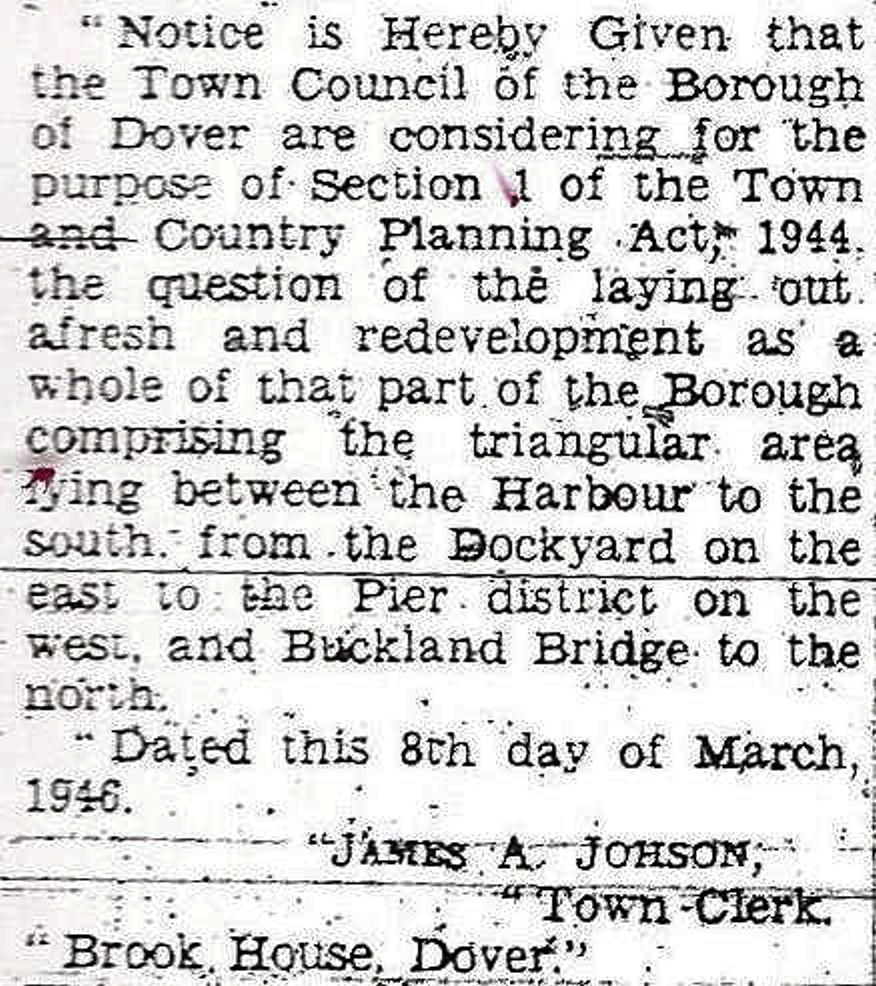
Compulsory Purchase Notice 08.03.1946

Compulsory Purchase Notice 08.03.1946

The Professor’s Plan went before the Council in February 1947, who having made some modifications asked the Government for a Declaration Order. This covered 252 acres, extending from Buckland Bridge to Charlton Green to the Seafront. The proposals were fully supported by the Town Clerk, James A Johnson, who put forward the argument to the Government Inspector. He also asked for immediate Compulsory Purchase Orders for the Seafront and other parts of town and made light of objections regarding saving what was left of Dover’s heritage.

In November 1947, James A’s proposals were confirmed excepting areas around the war-torn St James’ Street – the logic of which was lost on everyone concerned. Demolition began in 1948 and many attractive ancient buildings that could have been repaired and would have been of benefit to the town today succumbed to the bulldozer.

Published:

  • Dover Mercury  20 & 27 April 2006
Posted in Armed Services, Buildings, Local Government, Wartime devastation of Dover and the Abercrombie Plan, Wartime devastation of Dover and the Abercrombie Plan, Wartime devastation of Dover and the Abercrombie Plan | Comments Off on Wartime devastation of Dover and the Abercrombie Plan