Lord Warden Hotel / House

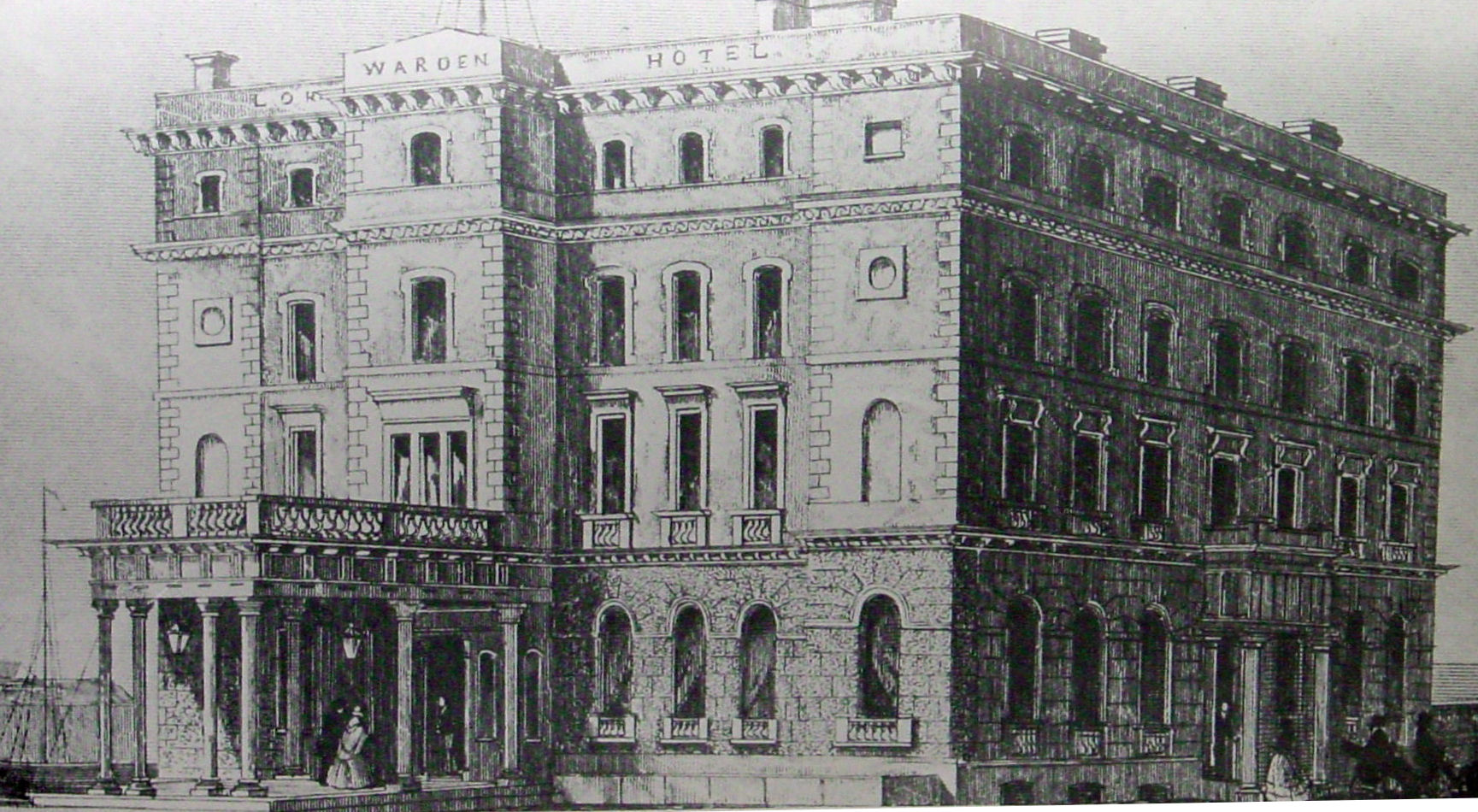
Lord Warden Hotel shortly after opening in September 1853.

Lord Warden Hotel shortly after opening in September 1853.

In 1843, the South Eastern Railway Company purchased the land on which Lord Warden House stands for £23,500. The intention had been a splendid station together with a goods shed. Instead, due to delays and expense, when the railway was officially opened on 6 February 1844 a temporary station was used. The Directors of the company gave it the name Town Station and built a grand terminus hotel on the originally site designated for the station.

Designed by the leading theatre architect, Samuel Beazley (1786-1851), the remit was that the hotel was to look ‘magnificent from the sea, the barracks (on Western Heights and the Castle) and for passengers coming by rail.’ It was aimed at the wealthier cross-Channel travellers and originally it had 80 sleeping apartments but later refurbishments changed this to 110 bedrooms. As the Lord Warden, the Duke of Wellington (1769–1852), had been active in promoting the railway, it was seen fitting that the hotel should be named after him.
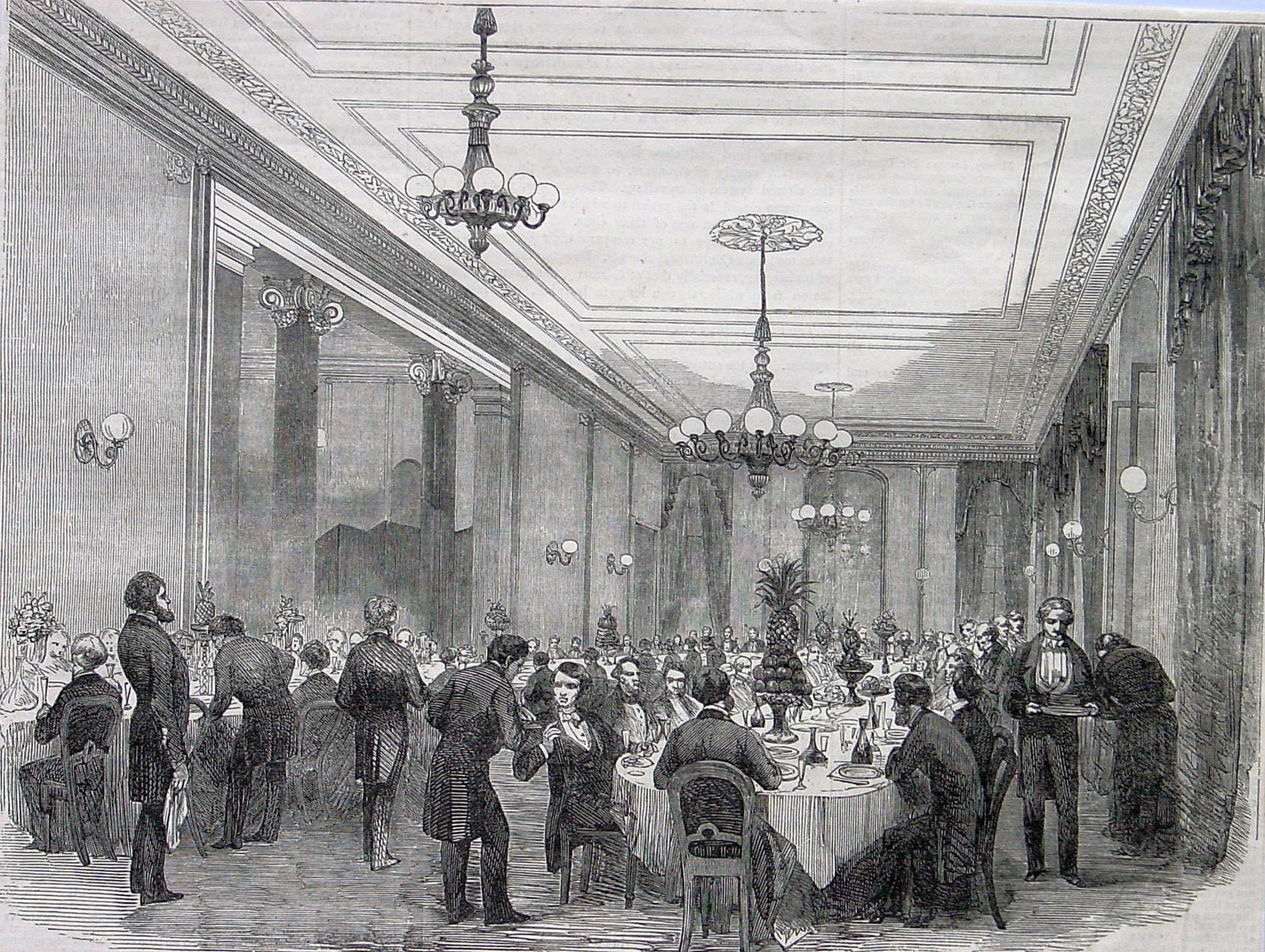
 Lord Warden Hotel dining room c1861. Dover Library

Lord Warden Hotel dining room c1861. Dover Library

The official opening was on 7 September 1853 and was a splendid affair even though the two men everyone raised their glasses to, the Duke of Wellington and Samuel Beazley, were dead! Appointed as manager was John Birmingham, a local councillor, who had successfully run the popular Ship Hotel since 1844. He totally lived up to his excellent reputation and was revered as the ‘best known man in Europe to tourists and travellers of all classes.’

About 1861, at the time of the opening of the London, Chatham and Dover Railway Harbour Station, nearby, a covered walkway was erected to the Town Station. This was from the first floor of the Lord Warden Hotel and proved successful but was removed sometime between 1914 and 1919.
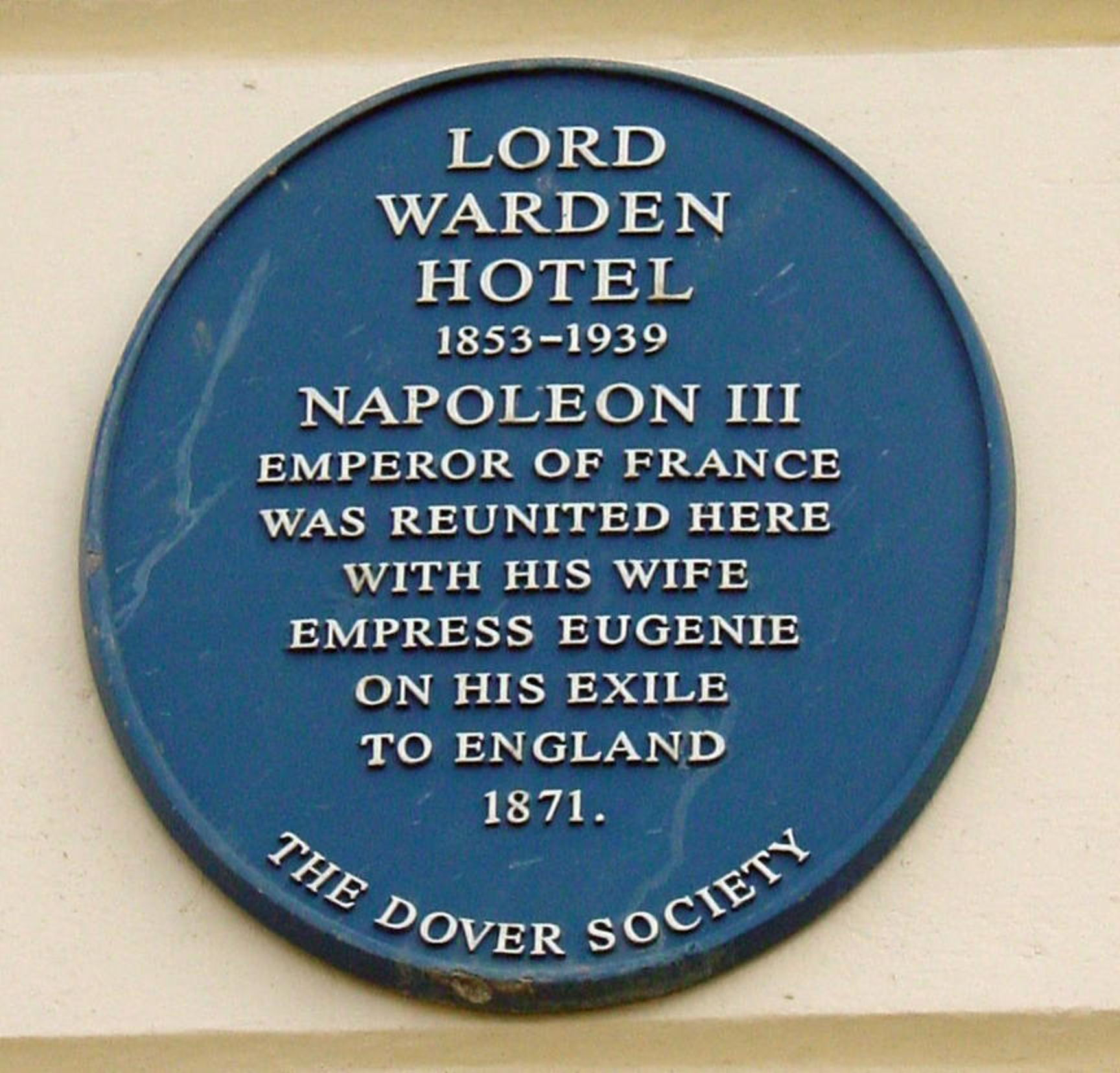
Dover Society plaque on Lord Warden House marking Napoleon III's stay there.

Dover Society plaque on Lord Warden House marking Napoleon III’s stay there.

Many VIPs stayed at the Lord Warden Hotel including, in March 1871, Louis-Napoleon Bonaparte (1808–1873), known as Napoleon III, Emperor of France. It was at the Hotel where he was reunited with his wife Empress Eugenie and son after his release from Wilhelmshole Castle, Germany in March 1871. The family then retired to Chiselhurst but Napoleon died two years later. Outside Lord Warden House is a Dover Society plaque marking Napoleon III’s stay.

Charles Dickens (1812-1870) frequently stayed at the hotel and in a letter dated 1863, he made reference to John Birmingham and his wife, Mary, as ‘my much esteemed friends.‘ The nearby streets of what was then the maritime Pier District provided the atmosphere of the Tom-All-Alone’s described in, Bleak House.

William Makepeace Thackeray (1811–1863) is purported to have stayed at the Hotel on his way to and from Paris where his wife was being cared for. George Eliot, (1819–1880), was another regular customer who famously stayed in 1854 while waiting for her lover George Lewes. They then travelled to Germany for what they saw as a honeymoon even though they were not married. A much later guest, it is said, was Montague Rhodes James, (1862-1936) who was born at Goodnestone Parsonage, near Dover, and best remembered for his ghost stories published under the pen-name of M.R. James.

Louis Bleriot on the steps of the Lord Warden Hotel prior to the reception organised on his behalf, 26 July 1909. Dover Library

Louis Bleriot on the steps of the Lord Warden Hotel prior to the reception organised on his behalf, 26 July 1909. Dover Library

Louis Bleriot (1872-1936) was a guest on 25 July 1908 when he enjoyed a special luncheon to celebrate his solo flight across the Channel from France to England. Harriet Quimby, (1875-1912), stayed at the hotel before taking off from Whitfield aerodrome on 16 April 1912 to be the first woman to fly across the Channel. Sir Henry Campbell Bannerman (1836–1908), was a permanent guest prior to serving as Prime Minister from 1905-1908. In 1906, Lady Campbell Bannerman died on the Continent and on 30 August, her remains were landed at Dover before being taken to Scotland.

In 1896, Gordon Hotels took over the running of the Lord Warden, adding a new wing and refurbishing it in a grand style. They created a magnificent ballroom and dining room that was used extensively by the well to do of Dover and for civic special occasions.

On 22 January 1901 Queen Victoria died and the Crown Heads of Europe along with the nobility attended the funeral at St George’s Chapel, Windsor. During the occasion a Royal, or a member of their entourage, occupied nearly every room in the hotel. The number of guests, apparently, increased the following year for the coronation of Edward VII on 9 August 1902. This was topped by the number staying in June 1911 for the coronation of his son George V! Not long after on 4 August 1914, World War I (1914-1918) broke out and three years later in 1917, there was the Russian Revolution. During those years many of the Royalty who had attended the events and stayed at the Hotel, lost their thrones and, some, their lives.

 A.W. Lucas, Bedroom Steward, Victim of the Maloja disaster, died 27 February 1916. St Mary's Cemetery Copt Hill, Dover.

A.W. Lucas, Bedroom Steward, Victim of the Maloja disaster, died 27 February 1916. St Mary’s Cemetery Copt Hill, Dover.

For much of the War, the Hotel had few guests except for military personnel. Lieutenant-Commander Stanley W Coxon, a member of the Dover Patrol was billeted at the Hotel. In his book, Dover During the Dark Days, he recounts the aftermath of the sinking of the P&O liner Maloja on 24 February 1916. The ship, the largest in the P&O fleet, was carrying 456 passengers and crew when she was torpedoed. 155 people drowned in the cold sea. Many of the survivors were brought to the Lord Warden and Lieutenant-Commander Coxon wrote ‘From 10 a.m. until 3 p.m. I had been disembarking the survivors and the dead and wounded of that ill-fated ship from the various crafts which had brought them alongside our pier…’

In 1917 the Admiralty fearing a raid on Dover similar to the one that was later to be carried out at a Zeebrugge by the Dover Patrol, closed the hotel. It was then sand bagged and according to one observer, ‘bristled with machine guns.’

Following the War, in 1919, the Admiralty handed the building back to Gordon Hotels who carried out a refurbishment. This was completed and opened on 7 June 1920 and in September, the rear of the Town Station was turned into a lock-up garage complete with petrol pumps. This was the second garage to open in Dover.

Lord Warden House - Foyer (detail) legacy of the 1920s refurbishment.

Lord Warden House – Foyer (detail) legacy of the 1920s refurbishment.

In September 1924 Frederick Hotels Ltd, closed the Burlington Hotel, which they owned, and took over the lease of the Lord Warden Hotel. The refurbishment this time made the interior, according to a 1930s report, look like ‘a Hollywood film set!’ Locally, it was said that the dinners and balls were magnificent and that the ballroom, with its ornamental ceilings, was a wonder. At the time, the general economy was in a major slump.

In order to visit the equally magnificent Granada Cinema in Castle Street, the ex-Queen of Spain stayed at the Lord Warden Hotel on 27 January 1933. Three years later one of the first two roundabouts to be introduced in Dover was built outside the Hotel. However, at a dinner in November 1939, following the outbreak of World War II (1939-1945), the Chairman, H Stanley Wharton, announced that, ‘This hotel is in course of being requisitioned.’

Initially the Hotel was used as a rest centre for troops on leave from France as well as by politicians and journalists. Towards the end of the Battle of Britain, on 2 September 1940, the Royal Navy requisitioned the building as the headquarters of the Coastal Force Base, HMS Wasp. The name proved an excellent deception especially when German propagandist, William Joyce alias Lord Haw Haw, stated on the radio that HMS Wasp had been torpedoed in the Channel!
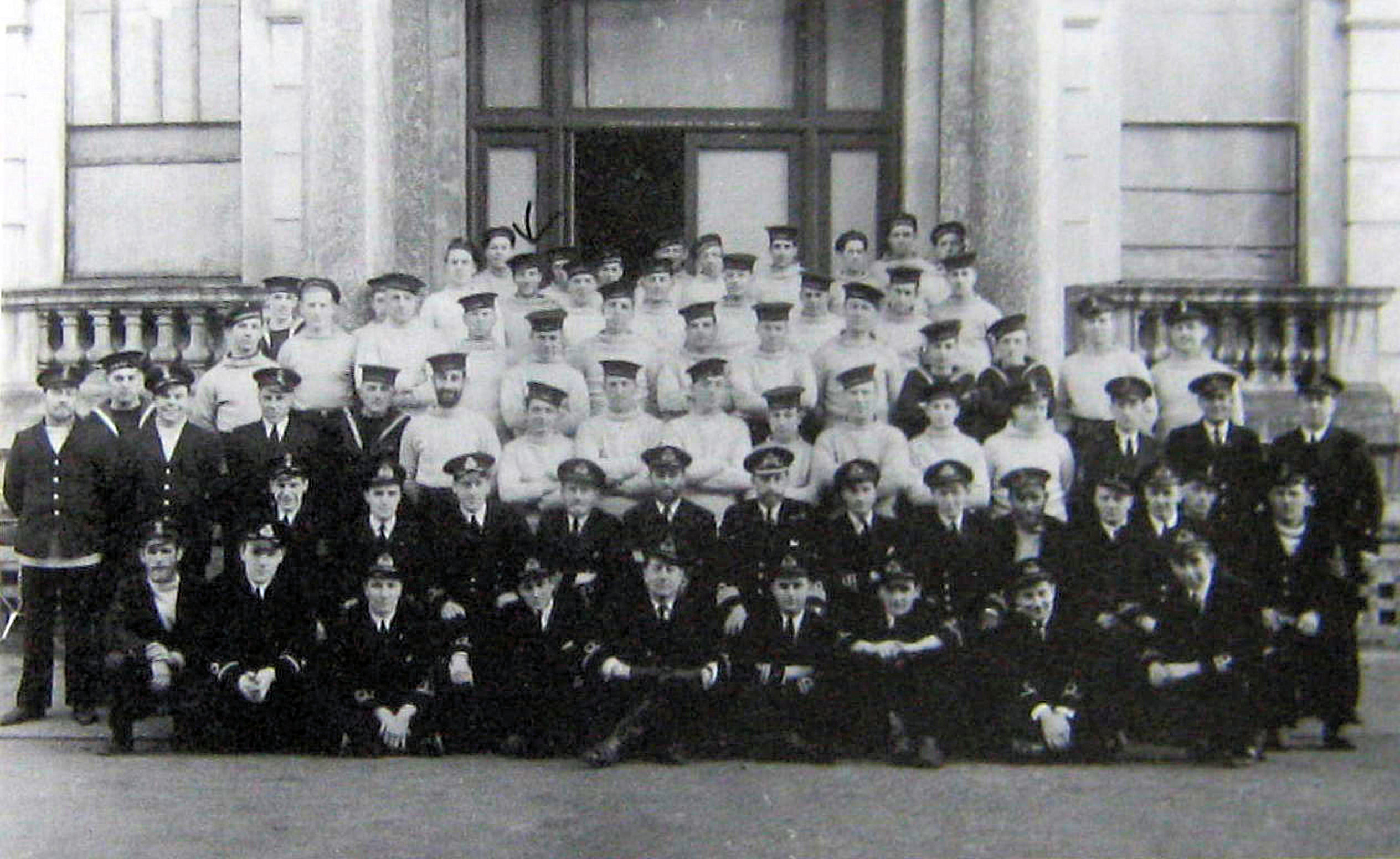
HMS WASP ML Flotilla personnel including members of the Norwegian Navy

HMS WASP ML Flotilla personnel including members of the Norwegian Navy

Serving with the Coastal Force were members of the Royal Norwegian Navy. The forces involved were, Motor Torpedo Boats (MTBs), the heaviest boats and mainly concerned with attacking enemy ships; Motor Gun Boats (MGTs), specialised in fighting enemy light craft and Motor Launches (MLs) laid mines, took Commando Landing Parties across the Channel and rescued ‘ditched’ pilots.

The Hotel housed the administration, plotting rooms, signals section, maintenance, as well as billeting personnel while the boats, for the most part, were kept in the Camber. The WRNS who worked at HMS Wasp were billeted at Dover College, part of HMS Lynx. This was the name given to all shore base activities in Dover. When air raids threatened, if time, WRNS would cycle to the old Oil Mill caves, Limekiln Street.
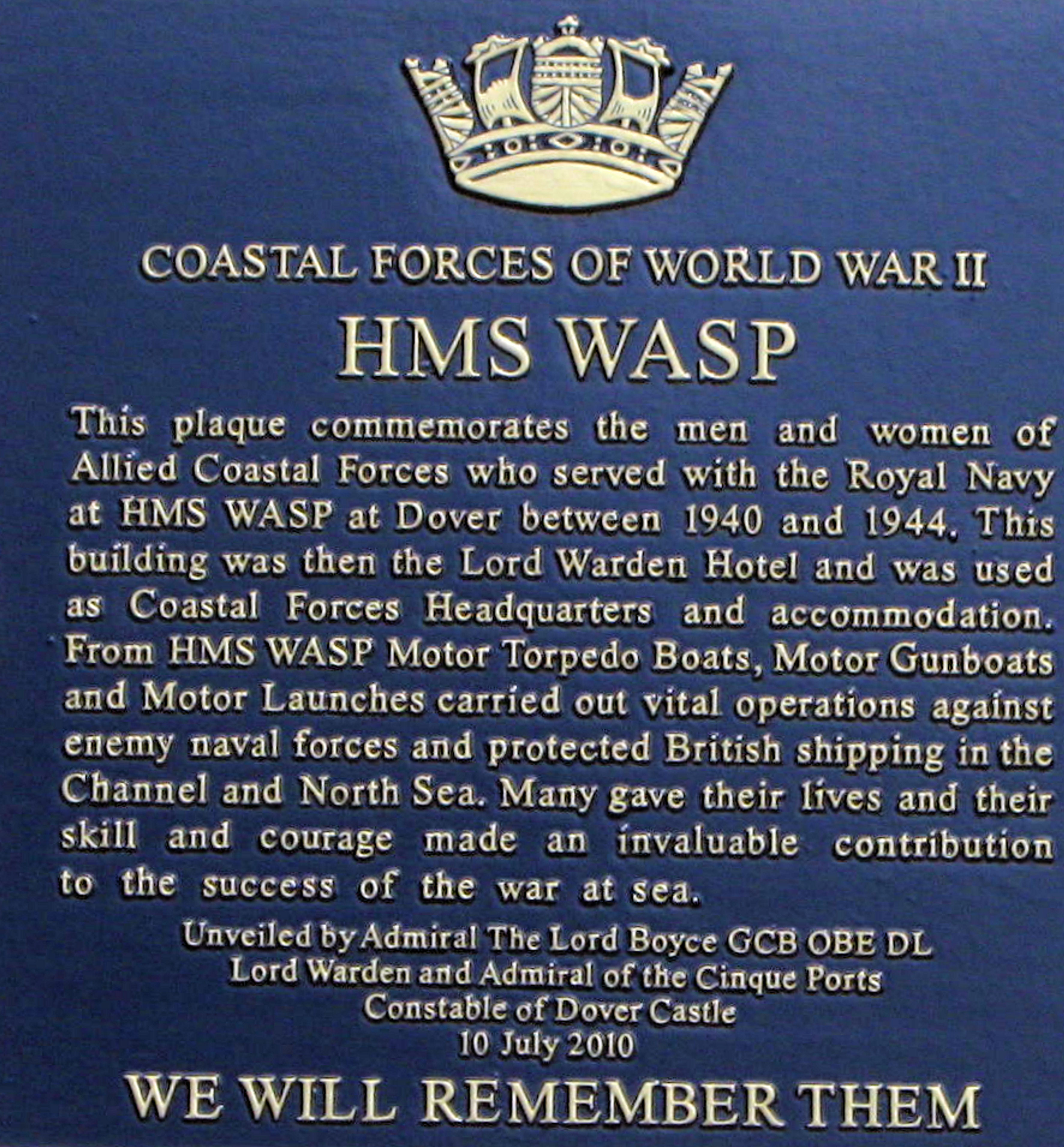
Lord Warden House plaque to commemorate HMS Wasp - Coastal Forces HQ, unveiled 10.07.2010

Lord Warden House plaque to commemorate HMS Wasp – Coastal Forces HQ, unveiled 10.07.2010

During the War the Hotel was shelled but survived and HMS Wasp was decommissioned on 14 November 1944. A plaque was unveiled in the foyer to commemorate the event but has since disappeared. On 10 July 2010 Admiral Lord Boyce, the Lord Warden, unveiled another plaque on the front of the building. Again, this is to commemorate the men and women of Allied Coastal Forces who served with HMS Wasp.

On 18 September 1945, the Admiralty and the War Office handed back, to the Harbour Board, most of the harbour that they controlled from 1939 and on 30 November 1946, Dover ceased to be a naval base. Battered and badly scarred the building manage to survived the Dover’s post-war over-zealous demolition squad. The Lord Warden Hotel was officially handed back to her previous owners, Southern Railway and was scheduled for a makeover to be re-opening as a hotel. The Railway company, short of money and staff, had more pressing priorities so only essential work was carried out.

The Railway company was nationalised on 1 January 1948 becoming Southern Region. The old company continued to exist as a legal entity until 10 June 1949 when it went into voluntary liquidation. By that time the former Hotel had been renamed Southern House and was designated for offices. In 1956 the building became the regional headquarters of Customs and Excise.

Refurbishment did take place, but only as needs necessitated. On Saturday 28 November 1992, politician Roy Hattersley wrote in the Guardian that the once beautiful building ‘bears all the marks of creeping disintegration – hotel into offices into boarded-up wreck.’ Two years before Stena, the Swedish shipping group, bought Sealink, the shipping subsidiary British Rail ferries and in the deal acquired Southern House. Possibly as a reaction against Hattersley’s comments they instigated a superficial facelift for the building.
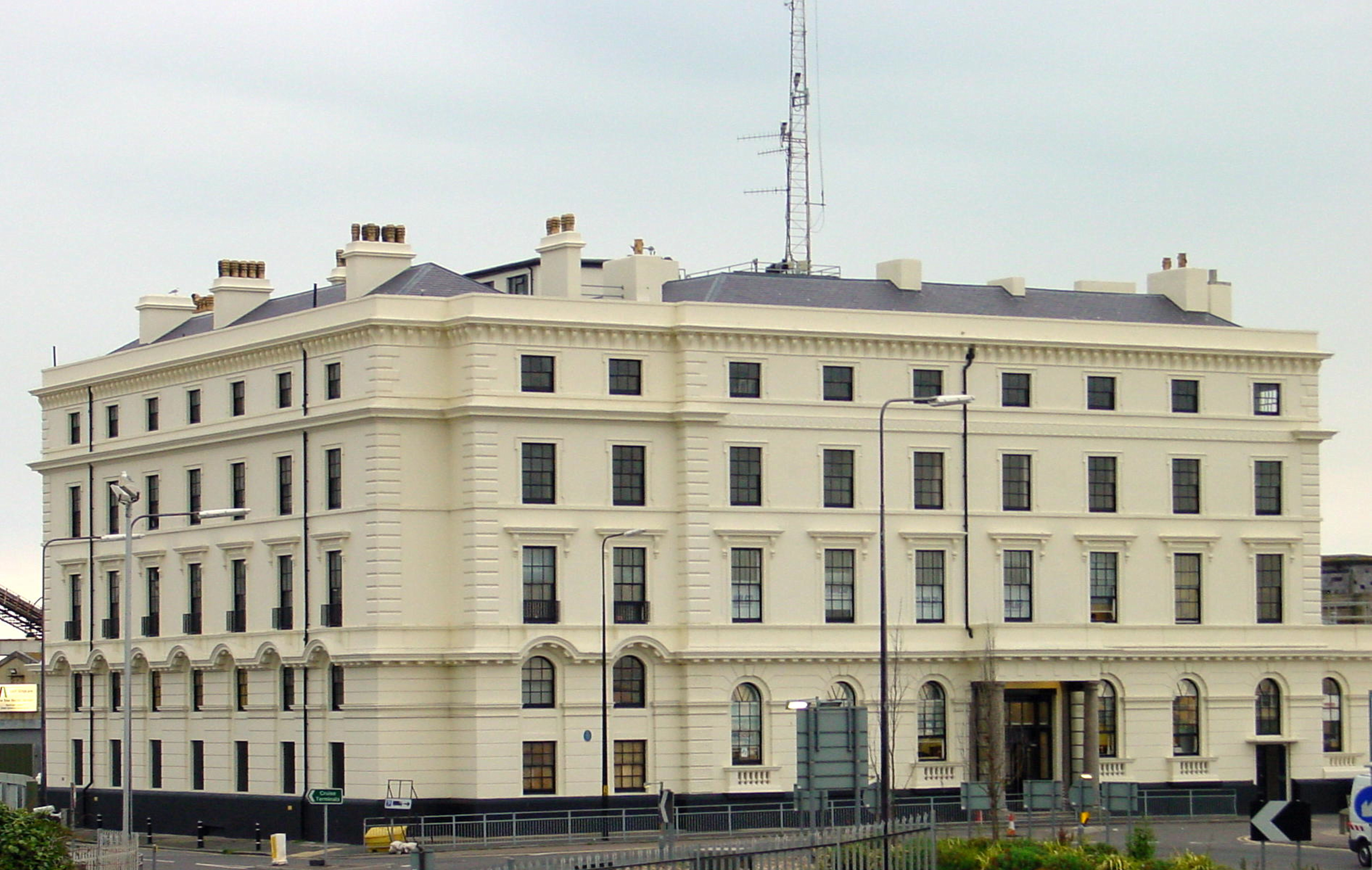
Lord Warden House - formerly Southern House and the Lord Warden Hotel.

Lord Warden House – formerly Southern House and the Lord Warden Hotel.

In 1998, Stena merged with P&O and Dover Harbour Board (DHB) bought Southern House for use by freight forwarding agents. The building, by then Listed, in 2007  was renamed Lord Warden House and subsequently was given a £750,000 partial makeover. At the time of writing, it is used for offices.


  • Published:
  • Dover Mercury: 19 & 26 September and 3 October 2013
Posted in Buildings, Lord Warden Hotel / House | Comments Off on Lord Warden Hotel / House

John Dixwell the Dover Member of Parliament who committed Regicide

Restoration of Charles II landing iat Dover 25 May 1660. Maison Dieu formerly Dover Town Hall

Restoration of Charles II landing at Dover 25 May 1660. Maison Dieu formerly Dover Town Hall

Few episodes of early American history intrigued nineteenth century novelists more than the flight of three of the regicides, who had signed the death warrant of Charles I , to New England, following the Restoration of King Charles II in 1660.

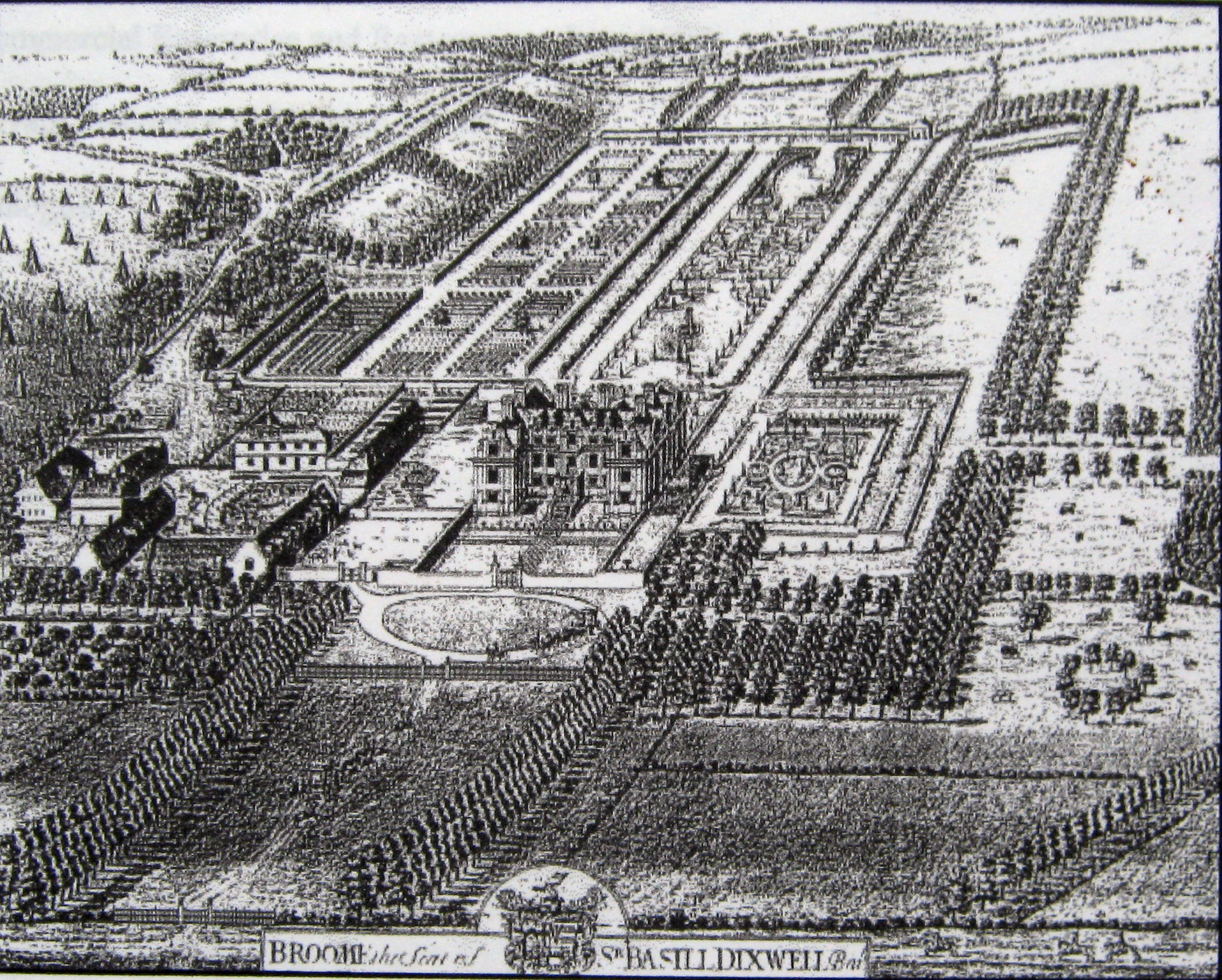
One of those men was John Dixwell, Dover’s Member of Parliament. John was born about 1607, the younger son of William Dixwell of Coton Hall in Warwickshire. In 1641, his elder brother, Mark Dixwell, succeeded to the estates of their uncle, Sir Basil Dixwell, at Broome Park, near Barham. Mark, a Royalist, was killed at the Battle of Arundel in 1643, during the Civil Wars, (1642–1651,) leaving a wife, Elizabeth, and five children, the eldest of which was Basil. Mark’s estates were entrusted to his younger brother, John, until Basil came of age.

Broome Park 18th century

Broome Park 18th century

As the temporary holder of the estates John enjoyed a great deal of influence and was appointed a Deputy Lieutenant of the County Kent. This meant that he served on the Committee for Kent – the administrative body for the county during the Civil Wars and the Interregnum (1645-1660). He was also Colonel of Foot in the Parliamentarian army. Although some later historians are scathing of John at this time, contemporary accounts show him to be a good Puritan and an amicable neighbour who did his best for the family whom he had responsibility.

This, combination was put to the test when Henry Oxenden, the Squire of nearby Maydeacon, took a liking to the widowed Elizabeth. In August 1646 Henry, hearing that Elizabeth may be moving wrote to her and finished by saying that his letter was sealed, ‘att the top … are two innocent doves … takeing a loveing delight each with the other, without giveing the least suspition of offence, and therefore whosoever shall happen to see two dove-like soules do the likes honi soit qui mal y pense. Under them is a heart which if you would be gratuitously pleased to accept of is for ever yours, supported with sicut columbae.’

Although Elizabeth’s reply to this effusion was also sealed with doves, she gently reminded her admirer, who was already married, that, ‘the heart you tender is inbraced in the golden historey; butt in the misterey Sir, its nott your owne to give; and I hope I shall never covett what my neighbour possesses.’

Henry did not give up but with assiduous diplomacy on John’s part, the overt fascination for the lady came to an amicable end. Indeed, Henry gave Elizabeth a copy of the Mystagogus Poeticus or Muses Interpreter by Alexander Ross, a family tutor. This book is now in the British Museum and inside, in Henry’s hand, is written Elizabeth’s name and a graceful dedication. There is also a second inscription written by Elizabeth, ‘Herdson Dixwell, His Booke, Anno Domini 1655.’ Herdson was one of Elizabeth’s sons but died shortly afterwards.

Following the death of Dover’s Member of Parliament, Sir Edward Boys, John was elected Member of Parliament on 28 August 1646. There is very little recorded of John’s activities during his first two years as an MP. However, between 6-12 December 1648 Colonel Thomas Pride led what became known as the infamous ‘Pride’s Purge’, when troops forcibly removed from the Houses of Parliament all those who did not support Oliver Cromwell’s regime. Before the Purge, there were 470 Members afterwards, just over 200 members, John was one, in what became known as the Rump Parliament (1648-1660).

Charles I ruled 27 March 1625 – 30 January 1649. Worcester Cathedral Cloisters

Charles I ruled 27 March 1625 – 30 January 1649. Worcester Cathedral Cloisters

Shortly after he and 59 other Members were chosen as ‘Judges’ to prepare the legal case against King Charles I. The King was arrested and brought to trial on the grounds, ‘that by the fundamental laws of the land it is treason in the King of England, for the time being, to levy war against Parliament and Kingdom.’

The Judges sat on the Commission of the High Court of Justice to hear the evidence during the King’s trial. John attended the proceedings in the Painted Chamber on 10, 13, 19 and 22 January 1649 and all the subsequent days of the Trial. He also attended every day the proceedings were held in public in Westminster Hall.

Thirty-three witnesses were called with Thomas Read of Maidstone represented Kent. These witnesses were generally Royalists, who had served in King Charles’ army during the Civil Wars, but had turned traitor against their former leader. Throughout the trial, the King had refused to remove his hat and he made it clear that he did not recognise the proceedings as a court of law. He also refused to answer questions put to him.

The verdict was announced on 27 January 1649 and King Charles was condemned to death. 59 Judges signed the King’s death warrant one of which was John Dixwell. On the afternoon of 30 January 1649, Charles was beheaded outside the Banqueting Hall in Whitehall. He wore two shirts that day as it was very cold and he did not want to be seen trembling in case it was interpreted as fear. Before laying his head on the block, the King proclaimed his Christian faith, emphasised his loyalty to the Church of England and forgave all those responsible for his death.

In the years that followed, John remained in the army and was involved in Kentish politics. In 1651, he was appointed to the Council of State where he successfully argued that Dover harbour defences should be strengthened. This proved invaluable the following year at the time of the second Battle of Dover in 1652 (the first Battle of Dover was in 1217). During his time on the Council of State, John also used his special powers to raise a Kent county militia to guard the coast.

Dover Castle

Dover Castle

Following the death of Oliver Cromwell on 3 September 1658, his son was appointed to succeed him. The Rump Parliament was recalled and John was again appointed to the Council of State. In the first two months of 1660, John was the Governor of Dover Castle. However, in the country a power struggle ensued with General Monck, commander of the Cromwellian forces in Scotland, marching south and entering London unopposed. On 21 February 1660, he dissolved the Rump Parliament and re-established the Long Parliament that included those Members who had been excluded by Colonel Pride.

The Long Parliament dissolved itself on 16 March 1660 and in response, on 4 April, the exiled Charles II (1649 to 1685) issued the Declaration of Breda. In this, he made declarations that he promised to uphold if he was restored to the throne. The predominantly Royalist Convention Parliament met on 25 April and declared that Charles II had been the lawful monarch since the death of his father in 1649. Preparations for the Restoration began immediately.

Proclamation for the arrest of those involved in the execution of Charles I including John Dixwell, Dover's Member of Parliament.

Proclamation for the arrest of those involved in the execution of Charles I including John Dixwell, Dover’s Member of Parliament.

On 25 May 1660, Charles II  stepped ashore at Dover and the monarchy was restored. Although the Convention Parliament wanted to punish those who had held power since 1649, they were beholden by the Decaration of Breda to only prosecute those who had signed Charles I’s death warrant – the Regicides – and a handful of others. This was validated by the Act of Indemnity and Oblivion and the Regicides were ordered to give themselves up within fourteen days. John Dixwell’s name was on the Proclamation.

A few days before, on 17 May 1660, an order was issued to seize John and sequestrate his estates. Three days later, the Speaker informed the House of Commons that he had received a petition from a relative of John’s. This stated that the Regicide was ill and begged for benefit under the Act if he came forward within a fixed time. Parliament extended the time for John to give himself up, but instead of surrendering, he fled to the Continent.

Others did come forward and on 3 September 1660, the body of Oliver Cromwell (1599-1658) was exhumed, strung up and beheaded. The next month eleven regicides were publicly hung, drawn and quartered. The condemned men, it was reported, died bravely but one, who was still alive while being disembowelled, was reported as sitting up and hitting his executioner! It was Samuel Pepys who described the mass execution and commented, ‘Thus it is my chance to see the King beheaded at Whitehall and to see the first blood shed in revenge for the blood of the king at Charing Cross.’

By that time John had left England with three other regicides, John Barkstead, the custodian of the Tower of London under Cromwell, John Okey and Valentine Wanton. At first they went to the German town of Hanau, near Frankfurt, where John, using all of his political acumen, became a Burgess (Burgher) there!

Dixwell Avenue, Goffe Street and Whally Avenue street signs, New Haven. Tom Ebersold

Dixwell Avenue, Goffe Street and Whally Avenue street signs, New Haven. Tom Ebersold

However, in 1664 Barkstead and Okey were betrayed, arrested and deported to England. In the middle of the night John and Valentine Wanton left the German town and either travelling overland in darkness and laying up by day or by stowing away on a river barge, they managed to make it to a port. There, they boarded a ship bound for America. At Hadley Massachusettes, they joined two other regicides, William Goffe and Edward Whalley, in February 1665. Goffe and Whalley then moved to New Haven, Connecticut, and shortly afterwards, John also moved to New Haven.

Letter from Elizabeth Boyse (Dixwell) to John Davids (Dixwell) 1683

Letter from Elizabeth Boyse (Dixwell) to John Davids (Dixwell) 1683

There he settled, changed his name to James Davids, pursued his religious beliefs and was a successful merchant. In 1673 married Joanna Ling and four years later, as a widower, married Bethsheba How. They had one son who survived to adulthood. Throughout his exile, John kept in contact with his sister-in-law Elizabeth, who used the nom-de-plume Boyes in their correspondence.

Charles I’s second son, James II (1685-1688) ascended to the throne in 1685. The following year he appointed Sir Edmund Andros as the Governor of Massachusetts. Like the King, Andros had very little tolerance for Puritan beliefs and within a year he had reduced Connecticut to his rule. He was also alerted to John’s true identity and from her letters, Elizabeth was deeply distressed be this turn of events.

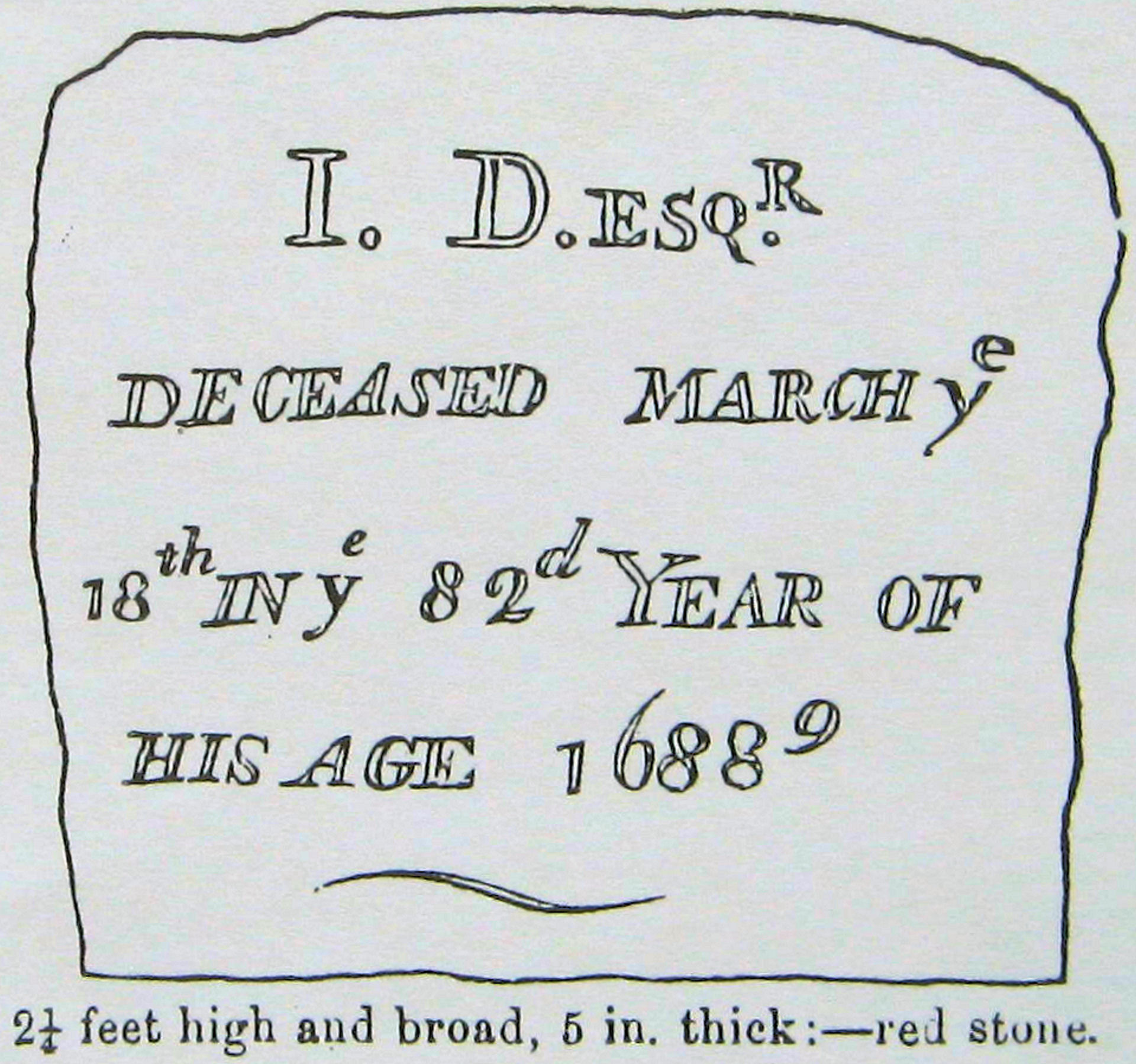
John Dixwell - Inscription on original tombstone

John Dixwell – Inscription on original tombstone

On 18 March 1689, John, now an old man, transferred his estates at Hougham, Sandgate and Romney Marsh, to his wife and son and a month later he died. He was buried in New Haven, Connecticut. Back in England, Elizabeth had married Henry Oxenden but it was Henry of Deane near Wingham not his cousin, the Squire of Maydeacon. Her son, John’s nephew, Basil, was created a baronet by Charles II and represented Dover in Parliament.

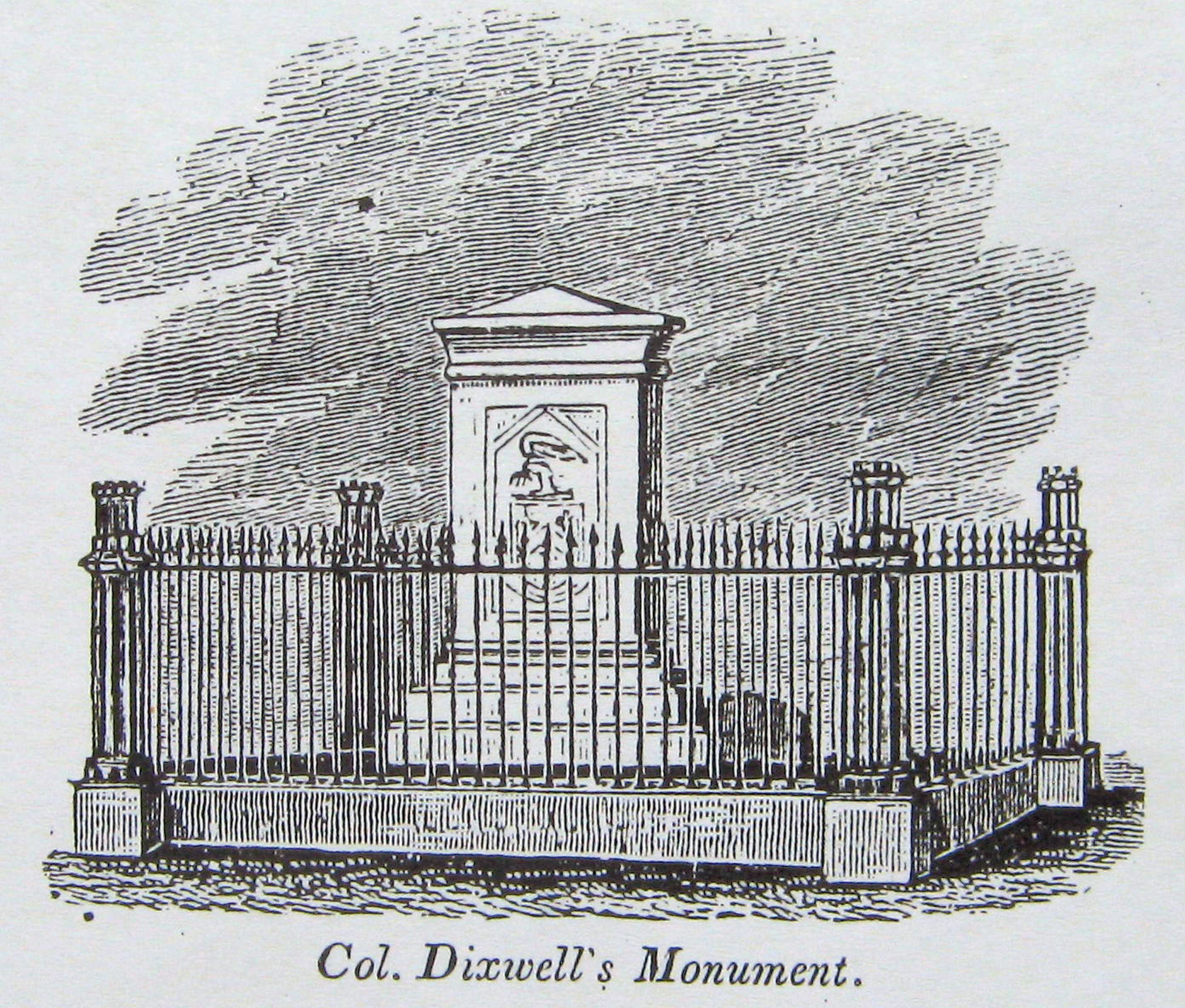
John Dixwell's Monument and burial place, New Haven, Connecticut

John Dixwell’s Monument and burial place, New Haven, Connecticut

Five weeks after John Dixwell died news reached New England of the abdication of James II and Andros was overthrown. Over the next few years, John’s true identity became public knowledge and his grave became a source of fascination. This increased following the American War of Independence (1776-1783). However, John’s body was not allowed to rest for on 22nd November 1849 it was exhumed – to see if it was there! His remains were then re-buried and a monument was erected which bears his name and in New Haven there is a street named after him. Thus, John Dixwell, Dover MP and English regicide became a national legend in the US.

  • Published:
  • Friends of Dover Castle Magazine: Spring 1998
  • Dover Mercury: 10 March 2005

For information on the Regicides Trail – a 6.8 mile trail that passes Judges Cave, where Edward Whalley and William Goffe hid out from agents of King Charles II –  contact Tom Ebersold at: http://westrocktrails.blogspot.com/p/on-trail-of-regicides.html

Posted in Civil Wars and Interregnum, Dixwell John - the Dover Member of Parliament who committed Regicide, Dixwell John the Dover Member of Parliament who committed Regicide, Dixwell John the Dover Member of Parliament who committed Regicide, Dixwell John the Dover Member of Parliament who committed Regicide, Members of Parliament, People, Royalty | Comments Off on John Dixwell the Dover Member of Parliament who committed Regicide

Western Heights Part II

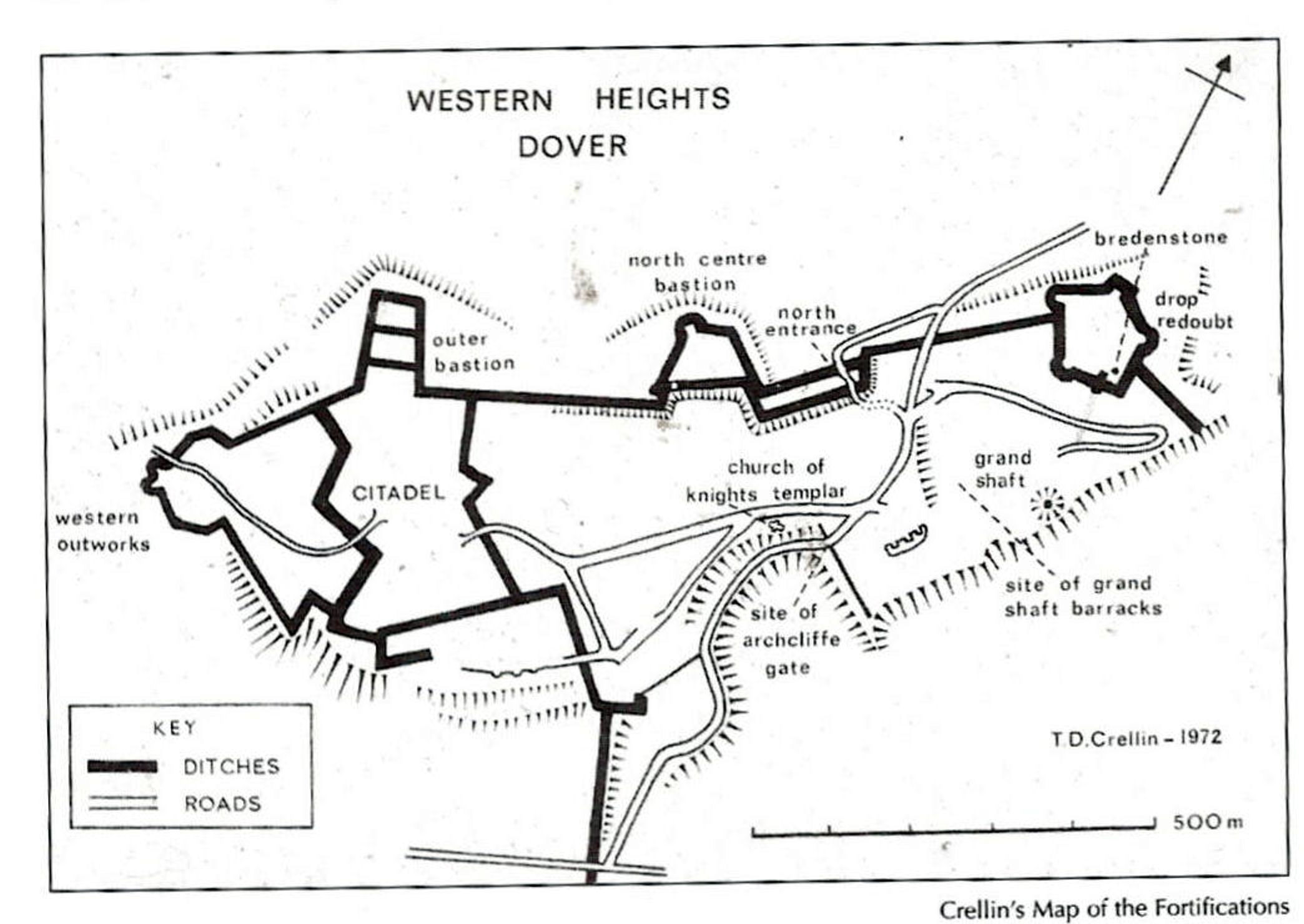
Doug Crellin's Map of the Western Heights fortifications.

Doug Crellin’s Map of the Western Heights fortifications.

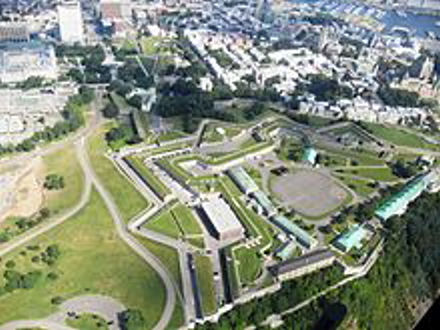
With the end of Napoleonic Wars in 1815, spending on defence in Britain was dramatically reduced although on Western Heights the Shaft Barracks and the Drop Redoubt continued to be manned. In Quebec the situation was very different, between 1820 and 1832, the Citadelle, the fortress that can be seen today, was constructed. This includes structures that the French had built such as the Cap-aux-Diamants redoubt (1693) and a section of the French enceinte (enclosure) of 1745. The new fortification was less dependent on the bastion; instead, heavily armed, multi-tiered towers were built enclosed by ditches. These were defended from covered structures, ‘caponnieres’ that projected into the ditches creating sheltered flanking positions for defending troops.

Citadelle Quebec, Canada. Internet

Citadelle Quebec, Canada. Internet

Frederick Hamilton-Temple-Blackwood, the 1st Marquess of Dufferin and Ava was appointed Governor of Canada 1872-1878 and he ensured that the fortress was preserved. Of note, the Marquess was appointed the Lord Warden of the Cinque Ports from 1891 to 1894 and the installation took place by the Bredenstone, close to the Drop Redoubt, on 22 June 1892. That was the last time the ceremony was held on the historic site.

The perceived threat of Napoleon III led to the setting up of a Royal Commission on 20 August 1859 to look into the Defence of the United Kingdom. Major William Francis Drummond Jervois (1821-1897), whose advice eventually led to the building of the Admiralty Pier Gun Turret – was Secretary. Dover was chosen as the primary point for what turned out to be the most extensive and expensive programme of defence construction up to that time.

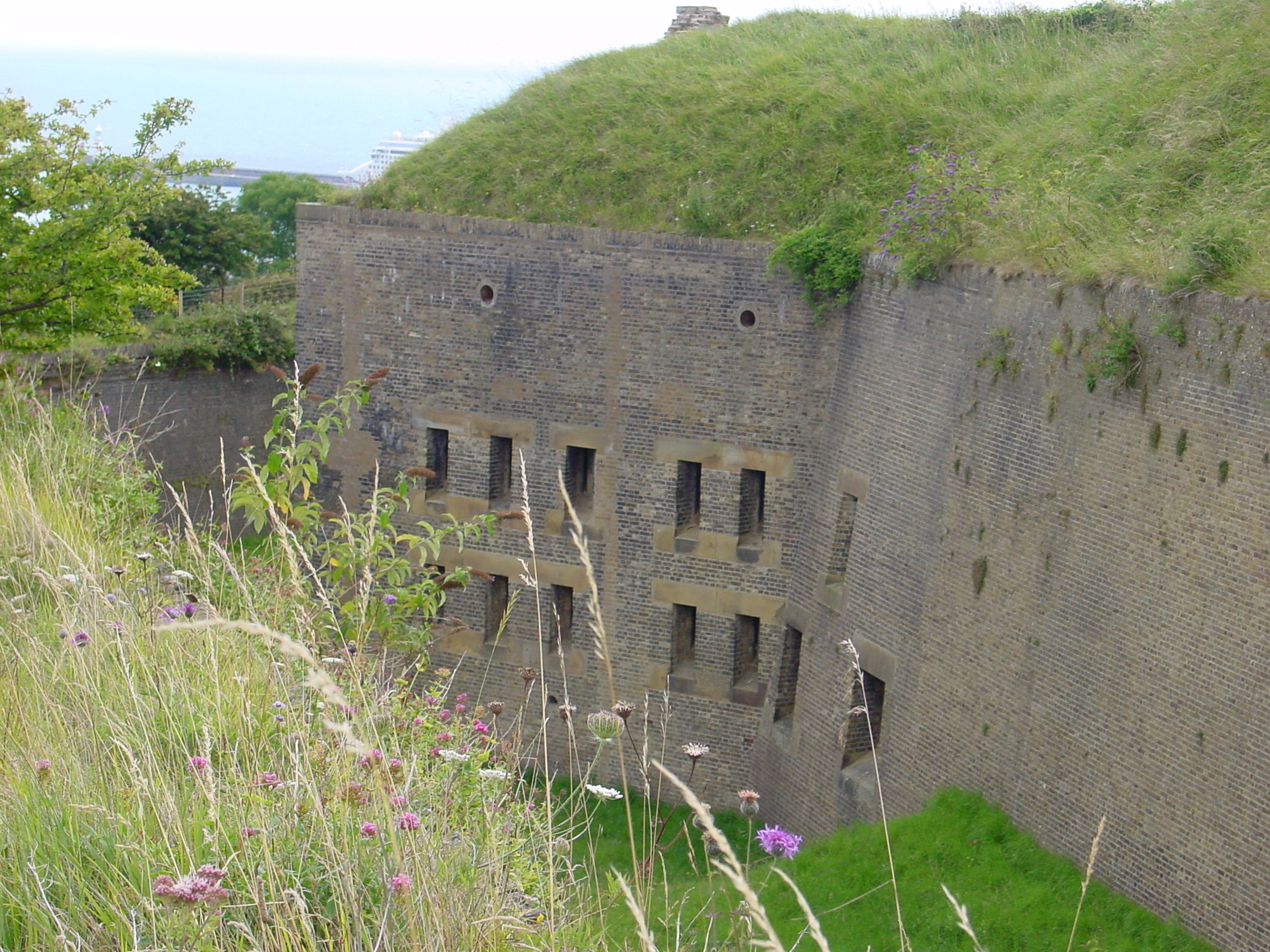
Caponnieres, Drop Redoubt - Western Heights.

Caponnieres, Drop Redoubt – Western Heights.

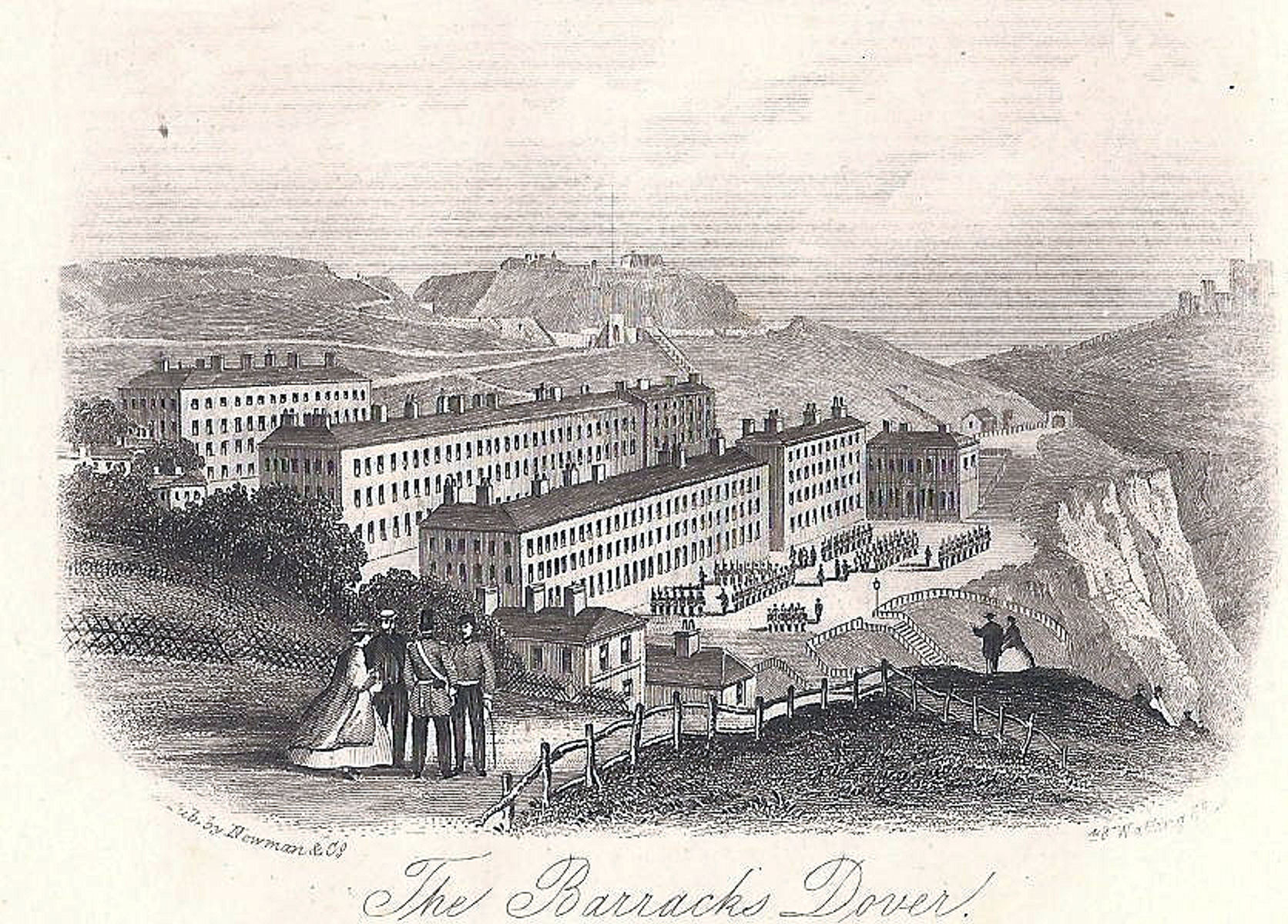
Extensive works were carried out on Western Heights between October 1859 and February 1862, costing £37,577, and included a ditch and lines connecting the Citadel to the Drop Redoubt. At the Redoubt, four caponnieres were erected in the ditches so that guns could be mounted to fire along the floors and bombproof barracks for officers. A report noted that there were positions for 17 guns on the terreplein (the level surface on which heavy guns are mounted) and 15 in the caponnieres. Other changes that took place at this time ensured that as much heavily artillery could be used on the enemy at the earliest opportunity.

Bredenstone, Western Heights. Dover Museum

Bredenstone, Western Heights. Dover Museum

The works also included the introduction of the noonday gun that was first fired on 2 June 1859 and continued until 1912, when the lack of time accuracy called for it to be stopped much to the displeasure of the towns folk! The works in the Drop Redoubt for a while exposed the foundations of the western Roman Pharos – the Bredenstone.

Lord Palmerston (1784–1865), the then Prime Minister, was installed as the new Lord Warden of the Cinque Ports on 29 August 1860. The event took place around the newly exposed Bredenstone. It was reported that a grand procession, in their full regalia, ‘was marshalled and toiled up the hills to the conspicuous height from which the noon gun was fired, and the ceremony of the inauguration having been performed.’  Afterwards, work continued on the Western Heights defences, and by the end of the 1860s, it had evolved into a large and impressive fortress.

Western Heights remained a major fortification with continuing modernisation throughout the remainder of the century. Effective breech-loading guns were introduced, along with electric searchlights, telephone, telegraph communications, and along with fire fighting equipment, used to supplement equipment at the Castle and in the town.

As a new threat was perceived from the German warship construction, from the mid-1890s the defensive batteries close to the harbour were augmented by alterations to existing higher batteries, such as St Martin’s Battery on the Heights. There, high-angle and longer-range mountings were provided for guns and two powerful long-range batteries, 3-miles, apart were built on either side of Dover. Langdon Battery on the east side of Dover Castle and the second, just beyond the extremity of the Western Outwork. In 1900, a new war signal station came into operation at the Citadel and from 1911, the number men accommodated at the Heights, as the country prepared for War, increased dramatically.

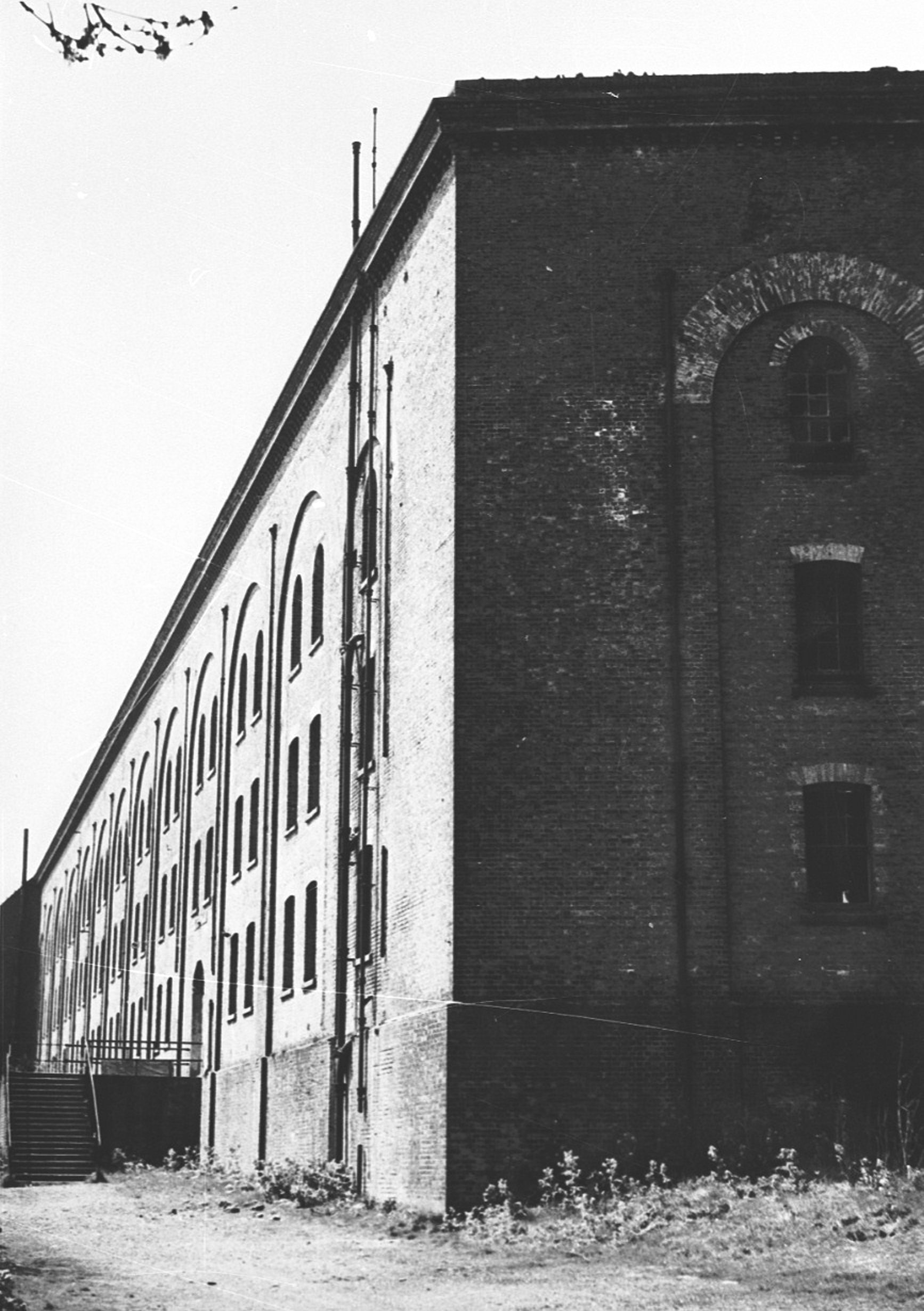
South Front Barracks. Dover Museum

South Front Barracks. Dover Museum

With the outbreak of World War I (1914-1918), Western Heights was primarily used for accommodation. Albeit, the existing defences were strengthened and supplemented with a ring of field redoubts on the hills around Dover. In 1916, these were replaced with lines of entrenchments. The first aerial bomb on the United Kingdom was on 24 December 1914 that landed in a garden that backed on to Taswell Street, near where the Dover Society Plaque is today. This led to new enforcements being set up to guard against air attacks such as anti-aircraft guns and searchlights.

As heavy fighting on the Continent increased, South Front Barracks, on the Heights became a rest camp for soldiers on leave from France. The number of men staying there between Christmas 1917 and the end of March 1918 became a cause of concern, but the great German offensive soon emptied the barracks as the men went back to the Front.

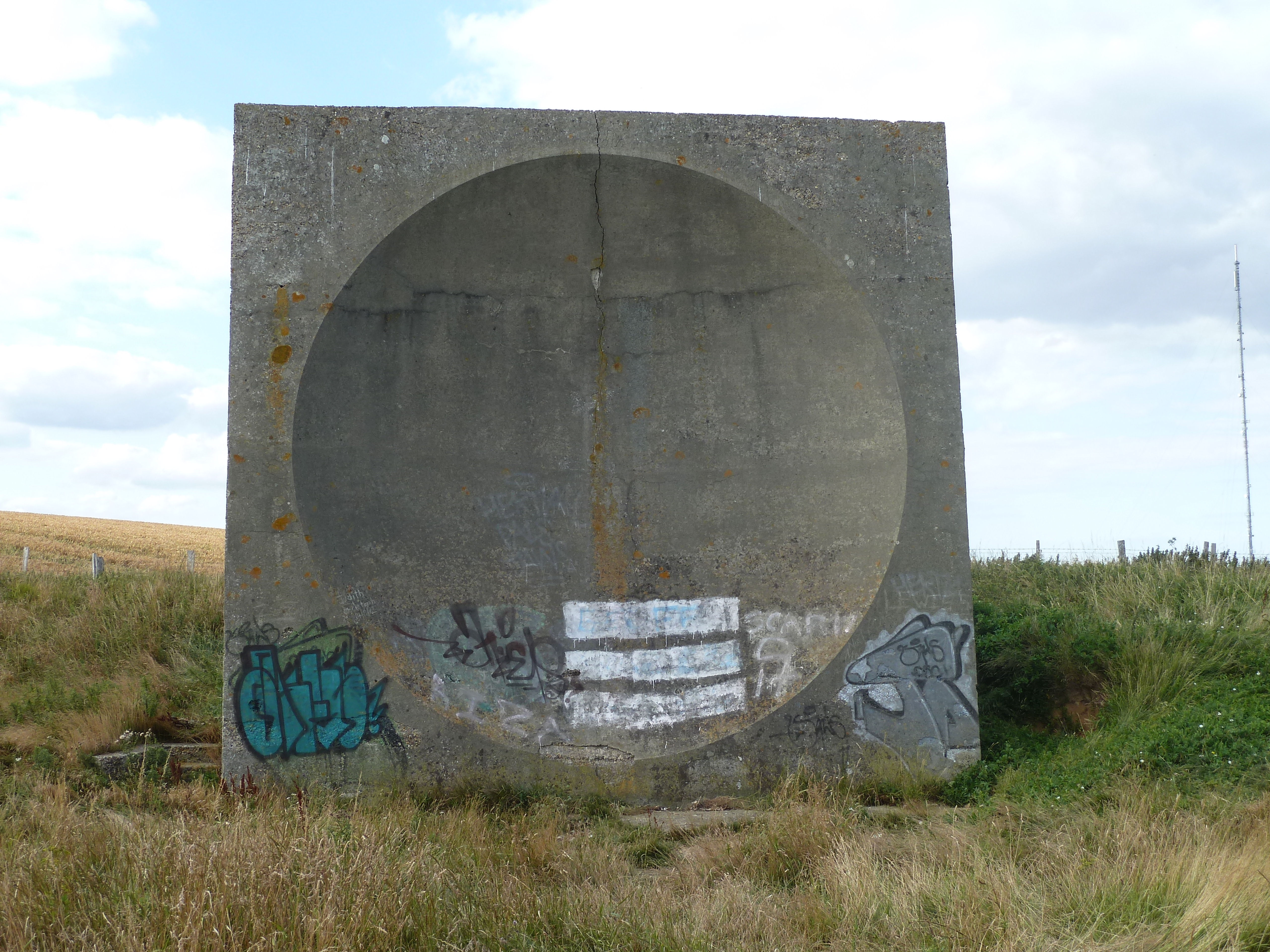
Sound Mirror, Abbots Cliff, west of Dover

Sound Mirror, Abbots Cliff, west of Dover

Although the war to end all wars was over, the military presence stayed on Western Height until 1929, when it was reduced. During the War concrete-slab sound mirrors were built along the cliffs to the west of Western Heights as well as  at Fan Bay, to the east of Dover. More were added in the 1920s and the sound mirror at Abbot’s Cliff can still be seen. However, in the 1930s, it was generally agreed that peace was to stay and calls for the demolition of military emplacements became vocal. In 1936, the South Lines Battery was converted into a promenade.

 World War II Batteries along the Western Heights. David Collyer

World War II Batteries along the Western Heights. David Collyer

Following the outbreak of World War II (1939-1945), the number of military personnel increased significantly, defences were strengthened and anti-aircraft gun batteries were built equipped with radar for target-detection and gun-laying. In early 1940 the first Heavy ack-ack regiment created five sites across the Dover area with 3-inch open-sight guns. The sites were numbered D1 to D5 and DI was located on Western Heights above Farthingloe Farm, close to the Citadel Battery – remnants of which can still be seen. The others were located east of Langdon Battery, at Frith Farm near the Duke of York’s Military School, north of St Radegund’s Abbey and Marine Parade. The latter was found to be unsuitable but the remaining four, in 1944, were were part of the ‘trip line’ batteries along the Kent coast that countered VI flying bombs.

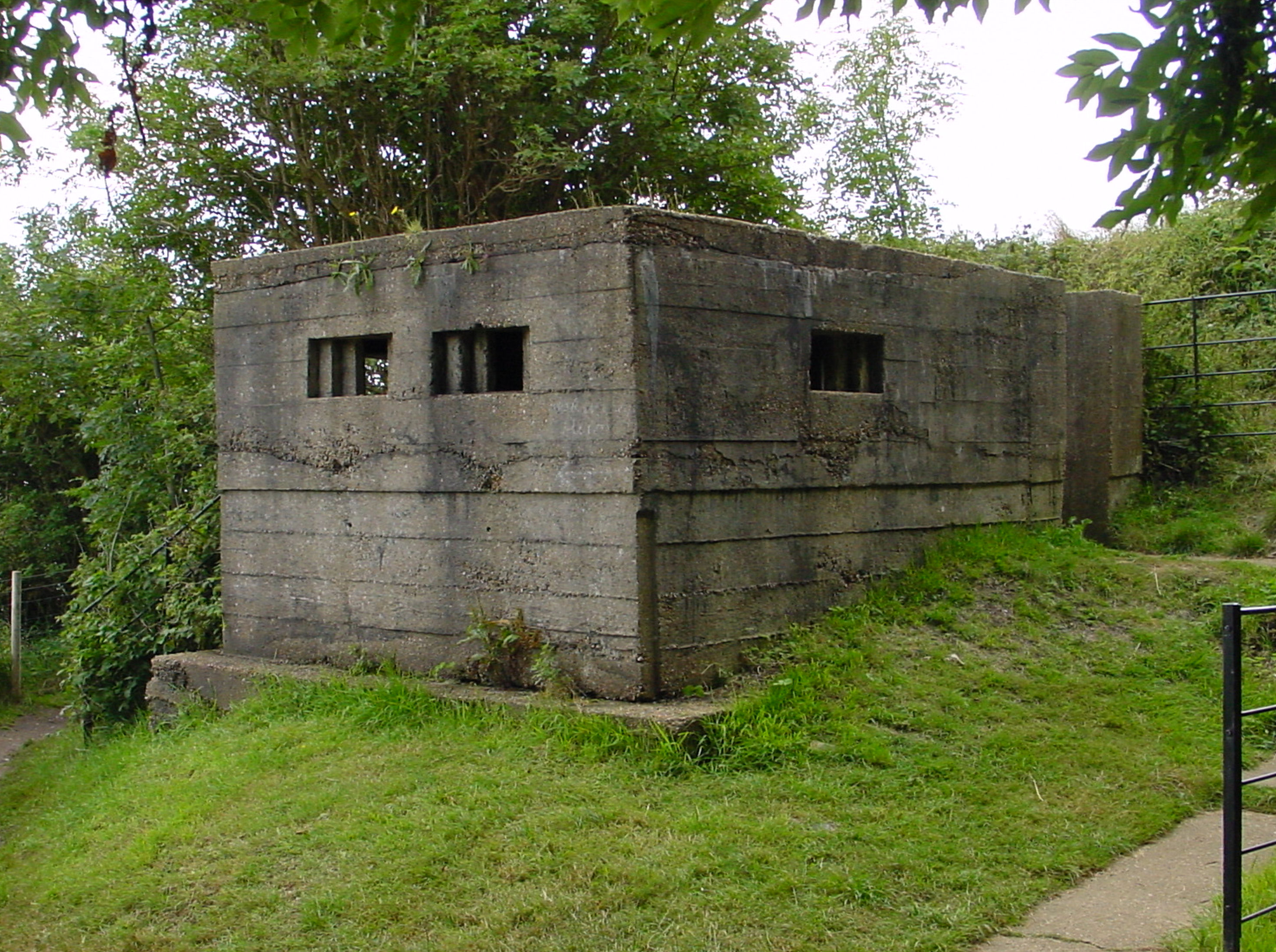
World War II Pillbox, Western Heights

World War II Pillbox, Western Heights

Western Heights role in providing barrack accommodation again became its primary function. The defences were, like elsewhere, strengthened. In St Martin’s Battery three 6-inch breech loading gun were installed, the old gun pits were filled with concrete, and concrete brick gun houses were built over the top. Two Type 23 pillboxes were also constructed nearby. At the Citadel Battery, two 9.2-inch guns were mounted and two Type 24 pillboxes were constructed. Types 23 and 24 pillboxes were built around the perimeter along with weapons pits, slit trenches and blast shelters.

When peace returned the government decided to run the military establishment on Western Heights down and in 1949 the War Department said that it was willing to lease the land for 99 years but not to sell the freehold. Three years later, it was announced that the Citadel was to be converted into a male prison for 300 inmates. The building was taken over by the Home Office in 1954 for use as a prison but four years later the Prison Commissioners relinquished it to HM Borstal Institution. Eventually, the site became a Young Offenders Institute, during which time houses for officers were built on the area where once the village of Braddon stood.

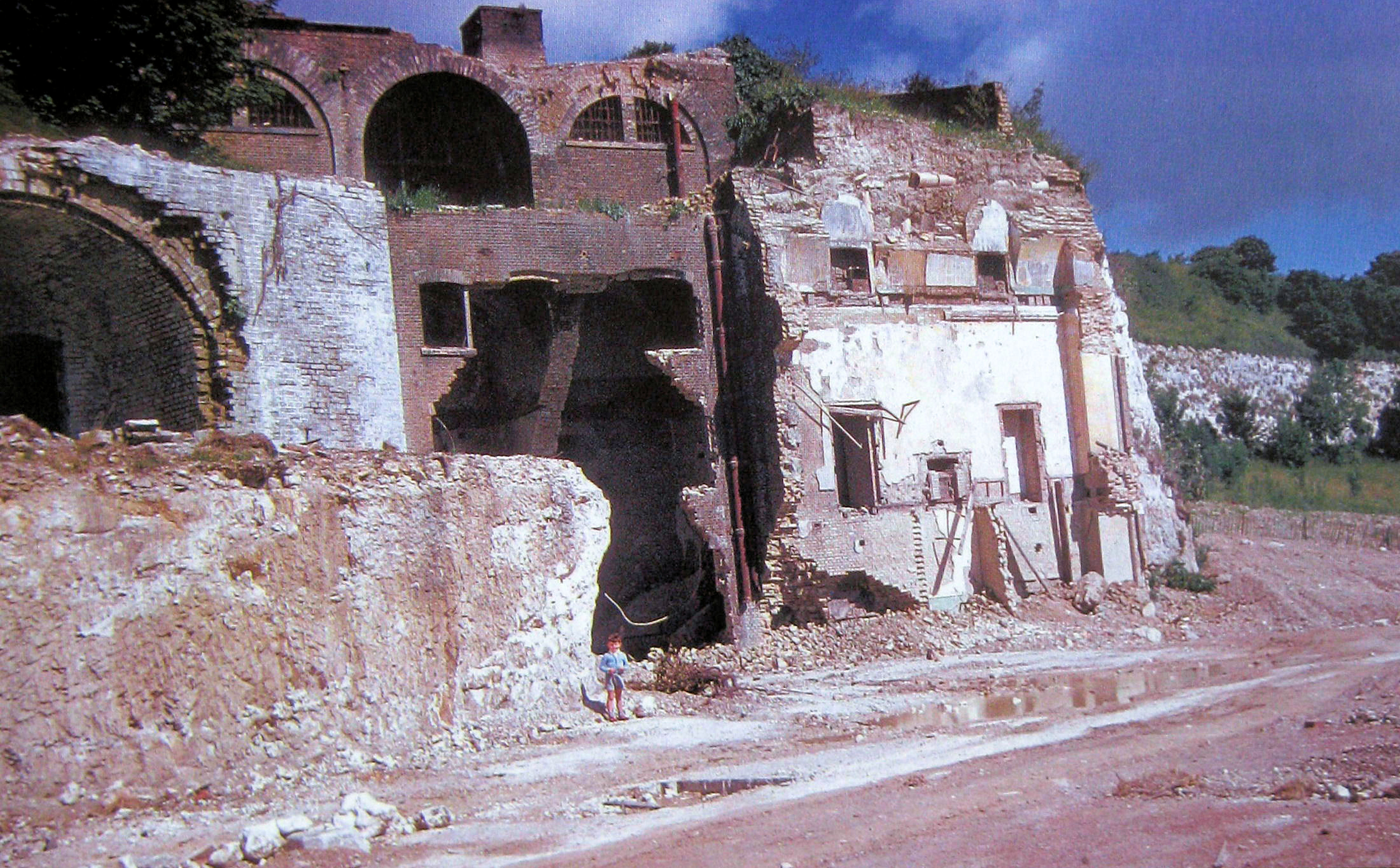
South Front Battery demolition 1960. Dover Museum

South Front Battery demolition 1960. Dover Museum

The War Office ordered the demolition of most of the South Lines Casemates and the adjoining caponniere in 1959. The following year the Department wrote to Dover Corporation giving details of land surplus to military requirements on the Heights. David Bevan, the Borough Engineer, stated that approximately nine acres in the vicinity of Grand Shaft Barracks could be considered for industrial purposes. The council authorised the Town Clerk, James A Johnson, to open the negotiations and eventually 23.5 acres of land were acquired by the council. That same year the demolition of South Front Barracks began in earnest.

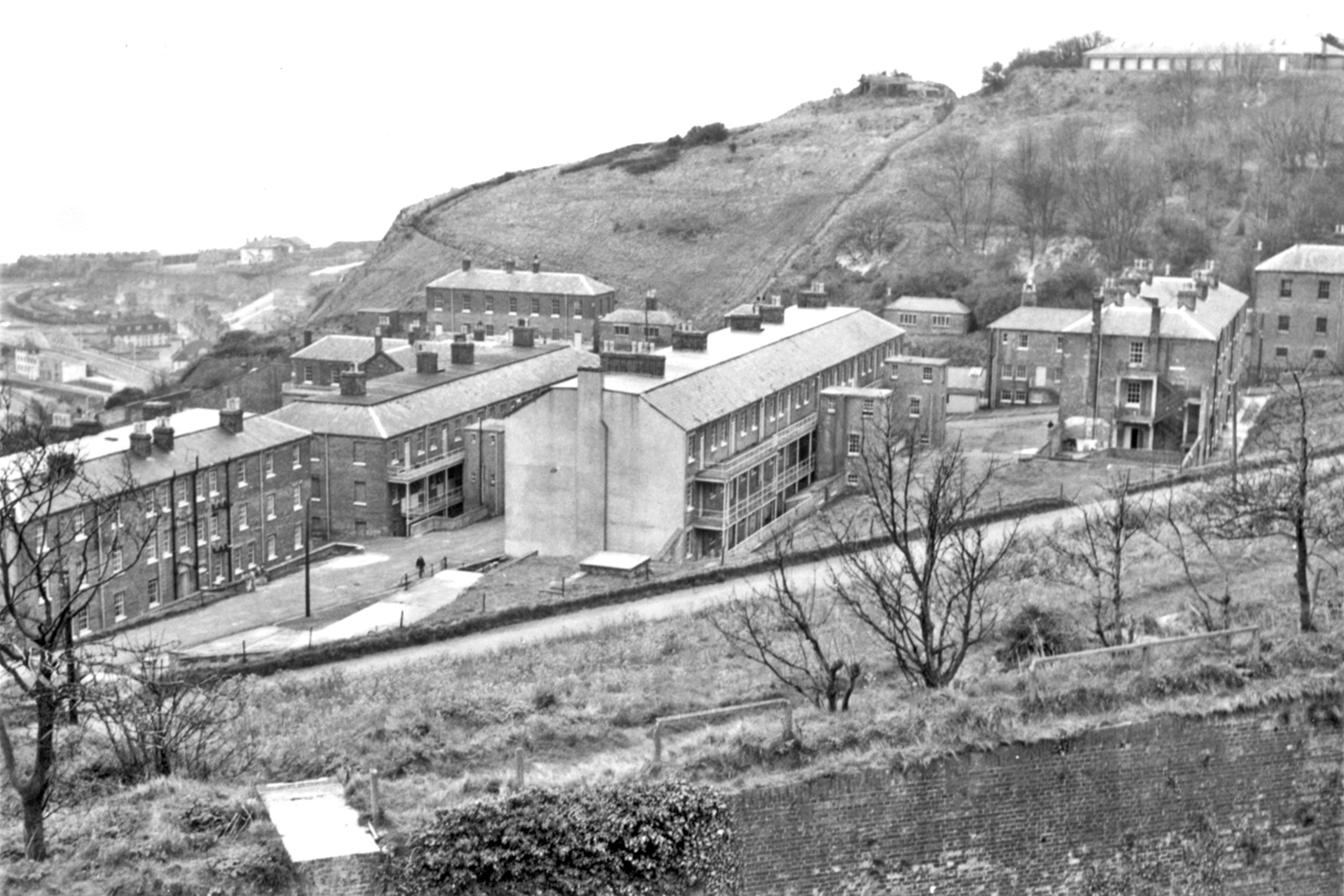
Grand Shaft Barracks. Dover Museum

Grand Shaft Barracks. Dover Museum

The War Department transferred 81 acres to the Prison Commissioners in 1962, for the Borstal Institute. Land was also leased to Dover Corporation, including 15 acres adjoining what had been the Grand Shaft Barracks. This the council designated for residential purposes. The former South Front Barracks site (16.5 acres) was designated for industrial use and 118 acres, mainly consisting of the north facing, steeply sloping, hillside was to remain undisturbed. However, it was agreed that a further 1.5 acres of moats, that had been acquired, were to be filled in using the town’s domestic rubbish.

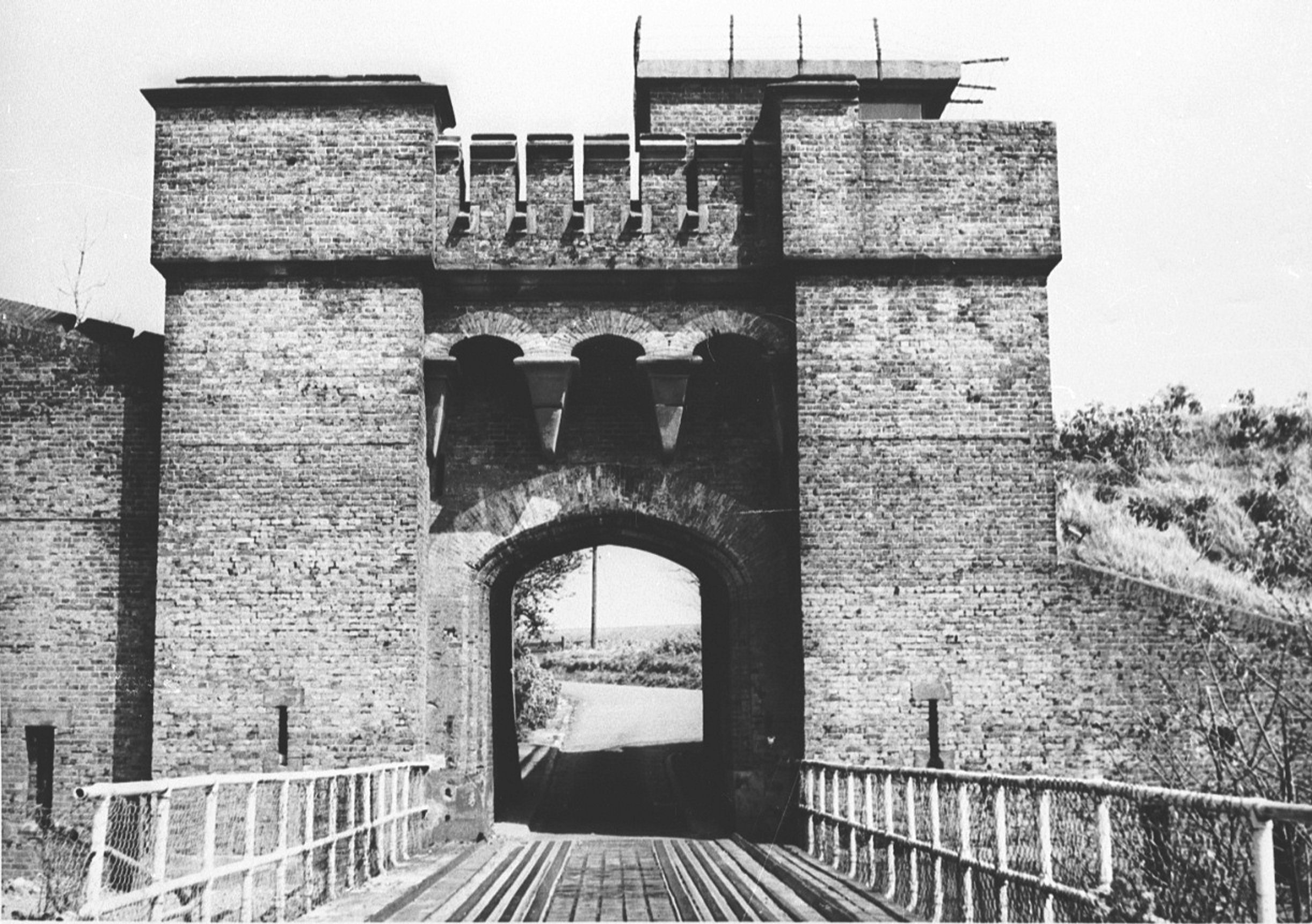
Archcliffe Gate, Western Heights. Dover Museum

Archcliffe Gate, Western Heights. Dover Museum

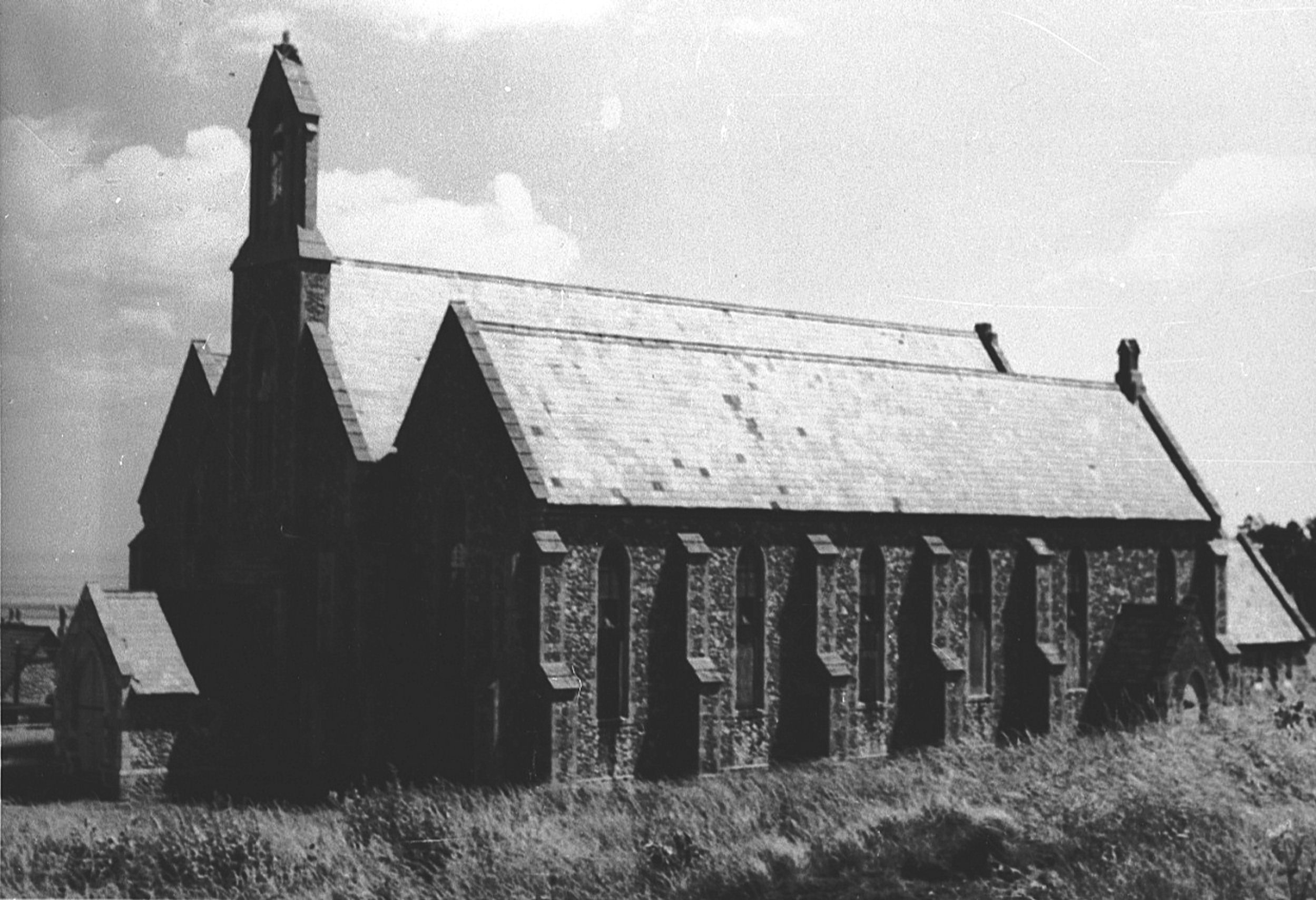
1962, also saw the demolition of the Garrison Church, built in 1859, and adjacent Victorian housing. The bell and the ornate cross were given a new home at Old Park Barracks. Shortly afterwards the massive gate with drawbridge on the South Front Road, which used to control the entrance to the Western Heights from the Ropewalk was demolished. These were carried out by the Dover Erection and Demolition Company, owned by John Ullman, and authorised by the Prison Commissioners. That year Avo’s opened their factory on land designated for industrial purposes.

Authorisation was given for Dover Corporation to purchase all the military land on the Western Heights in 1963, with the exception of the Borstal Institution. Comprising of approximately 126 acres, the land, to quote a report at the time, extended from the ‘rear of Clarendon Road, Westbury Crescent and Mount Road, over the top of the hill, encircling the Citadel, and down the other side to the rear of the Corporation’s Ropewalk and Aycliffe estates, along to the Grand Shaft Barracks and down as far as Cowgate Cemetery.’ The council purchased the land for £20,250.

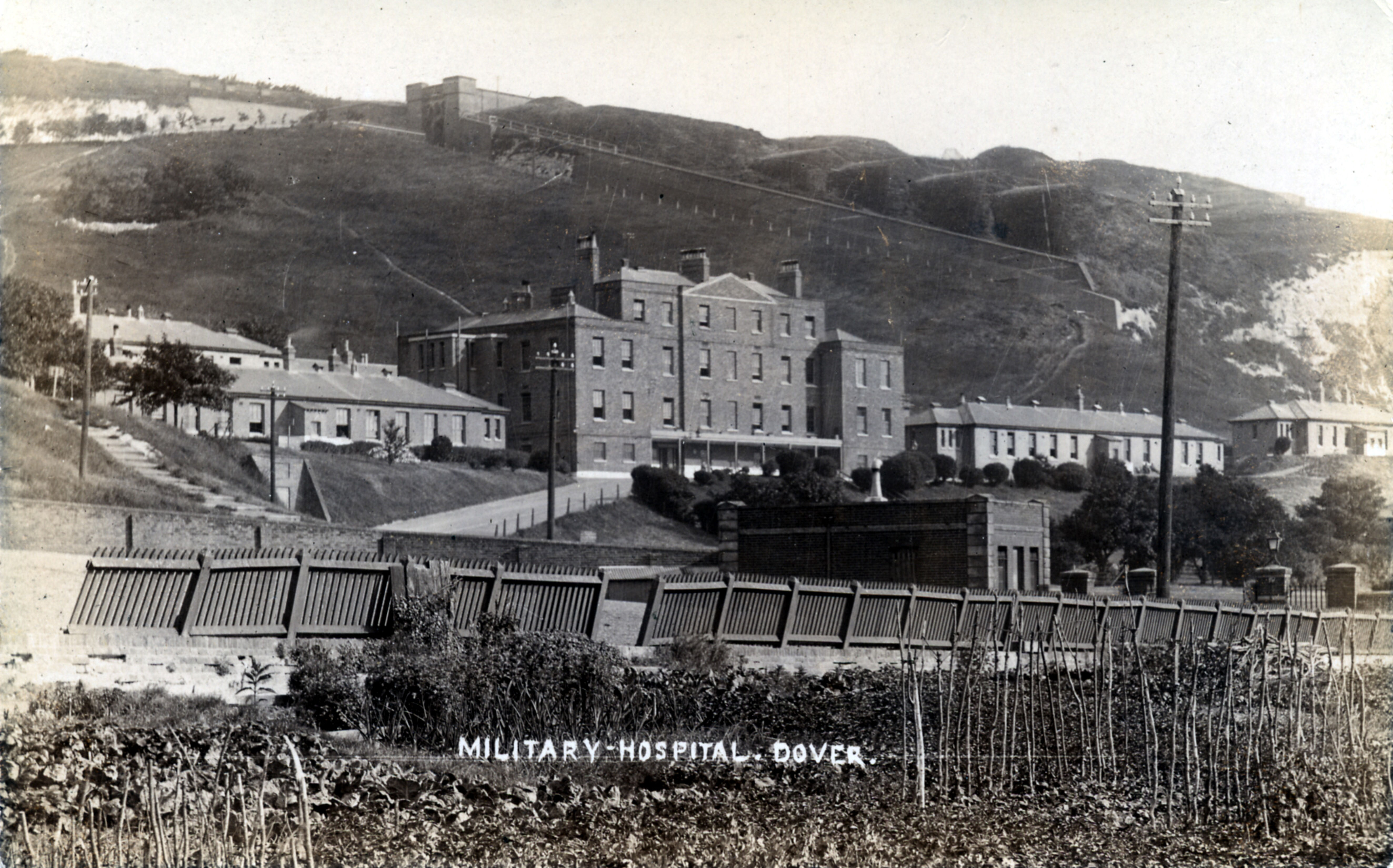
Military Hospital, Western Heights. Dover Museum

Military Hospital, Western Heights. Dover Museum

Of this, 96 acres was expected to be unsuitable for any development. The 11-acre Grand Shaft Barracks and land behind Westbury Crescent were earmarked for residential purposes and the remainder, approximately 17 acres, for industrial purposes. This included the site of the South Front Barracks that was not already occupied by Avo’s, the former Royal Engineers Headquarters and the Military Hospital on the right of Channel View Road.

Garrison Church 1859-1962, Western Heights. Dover Museum

Garrison Church 1859-1962, Western Heights. Dover Museum

Although the Commissioners for the Preservation of Ancient Monuments were interested in proposals for all of these sites, Dover’s elite, generally felt that there was very little of historic significance in the area, only citing the buried western Pharos – Bredenstone – and the demolished Garrison Church. Instead, emphasis was given to dealing with the town’s rubbish problems. The lease, for 21-years, the South Front Barracks site to Corrall’s as a coal-stacking yard was agreed in 1963, subject to a number of covenants to guard against dust. The rent for the first seven years was £360 increasing to £560 for the last seven. Surface works were to be carried out by the company at an estimated cost of £8000.

James A Johnson, Dover Town Clerk 1944-1968 saw the designation of the Western Heights as an Ancient Monument as a 'piece of nonsense'

James A Johnson, Dover Town Clerk 1944-1968 saw the designation of the Western Heights as an Ancient Monument as a ‘piece of nonsense’

The Corporation gave permission for the demolition of the Grand Shaft Barracks in 1965 at a cost of £3,100. However, the Ancient Monuments Commission designated the foundations of the Knights Templar church, the site of the remains of the Bredenstone and part of the moats of historic interest. The latter blocked the Corporation intention of using the moats for the town’s rubbish. In their objection, the Corporation stated that it was necessary to fill in the moats to enable a major road to be built across the Heights.

In 1966, Avo’s increased their floor space and Racole Trading and Manufacturing Company Ltd won an Industrial Development Certificate from the Board of Trade to build a factory nearby. This followed representations by Dover’s MP, David Ennals. However, the following year, much to the Council’s disapproval, the Ministry of Public Building and Works stated that even more of the military features on the Heights were to be preserved. These included the Grand Shaft, Drop Redoubt and the moats. In order to placate the council, the Ministry agreed to contribute £12,000 towards the cost of a new access road to the Heights from Military Road.

By February 1968, Dover Corporation had raised £17,250 from the sale of land on the Heights. A year later the council were favourably considering two development proposals, on what they classed as ‘one of the best development sites in the town,’ – where the Grand Shaft Barracks had once stood. Consideration was given to flats and a possible hotel. In 1971, the council made application to Kent County Council (KCC) for the construction of an estate of good class houses and flats on the site. If consent was granted, it was expected that the land would be sold to an interested development company.

Grand Shaft staircase at the top of which is a plaque to Doug Crellin. Dover Museum postcard

Grand Shaft staircase at the top of which is a plaque to Doug Crellin. Dover Museum postcard

Led by Customs Officer Doug Crellin, volunteers that included the author, worked hard to clear the Grand Shaft of dumped cars, defunct twin-tub washing machines and abandoned fridges and then restore it. During that time, Doug died and in April 1980, a special ceremony was held when a plaque was unveiled by his widow, at the top of the Grand Shaft. Doug was a member of the New Dover Group, which later became the Dover Society, and the Chairman of both, Jack Woolford, gave the address.

Townsend Thorensen moved into their purpose built offices in Channel View Road in 1983. Named Enterprise House the 7,500 square metre office block was designed blend in with the shape of Western Heights. Within the next few years, under the auspices of English Heritage, we volunteers and Junior Leaders from Old Park Barracks cleared the Drop Redoubt of dumped vehicles, machines and general rubbish. In 1986, it was opened to the public for the first time.

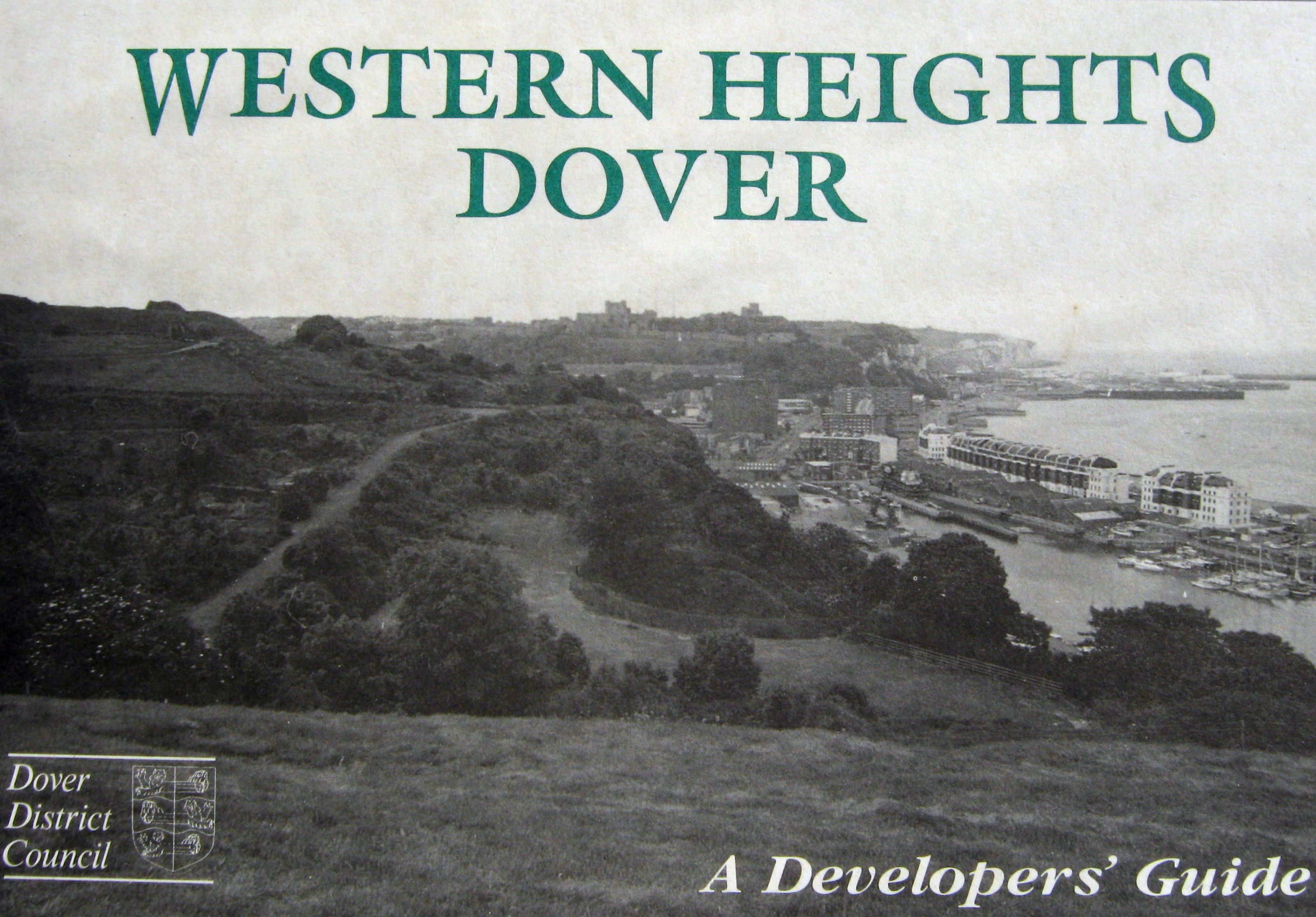
Western Heights Developers Guide Dover District Council 1989

Western Heights Developers Guide Dover District Council 1989

However at the Dover District Council (DDC) Land Committee meeting of 9 November 1988, it was resolved, ‘That subject to the outcome of the A20 Inquiry land at Western Heights, Dover now identified, be offered for sale by tender for residential or other appropriate purposes.’ In August 1989, DDC announced that they were putting 10.5acres on the market and the council produced a Developers Guide. Organised by Jack Philips, some 4,300 locals signed a petition against the proposal but the council took little notice.

At the time, this author was teaching at the University of Kent and a colleague pointed out that she could object to the proposal at the Planning Inquiry into the Local Plan that was going through the process at the time. She put the case together that was accepted for a Hearing, much to the annoyance of Councillors and Officers of DDC.  Much of Part I and the above comes from the submission to the Inquiry.

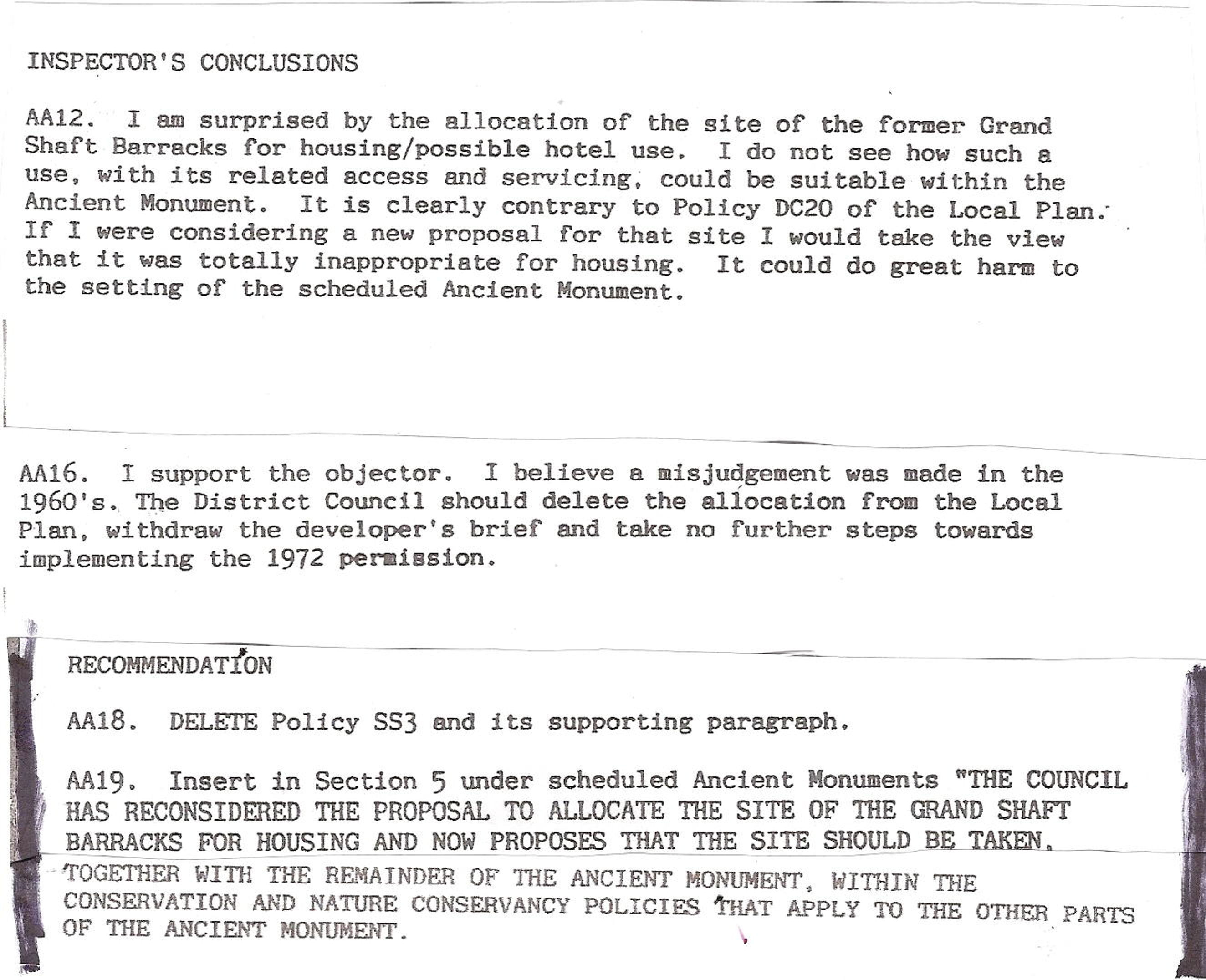
 Western Heights Local Plan Inquiry 1992 - extract from the Inspector's Report

Western Heights Local Plan Inquiry 1992 – extract from the Inspector’s Report

The Hearing lasted one day and the author was supported by husband Alan and one witness, Jack Phillips. The fight was gruelling and although the media were not in attendance, it was expected that we would lose at great expense to the ratepayers of Dover. However, the Planning Inspector upheld our objections, writing, ‘Even if I could be persuaded that some developer could produce an exceptional scheme that would be suitable for the site I would still take the view that the allocation should not be made. I say that because once an allocation is made there is a limit to what a local planning authority can do to maintain special standards.’ Neither the 1996 nor the 2002 Local Plans approved of similar developments on the Western Heights and this was reflected in the current Local Development Framework.

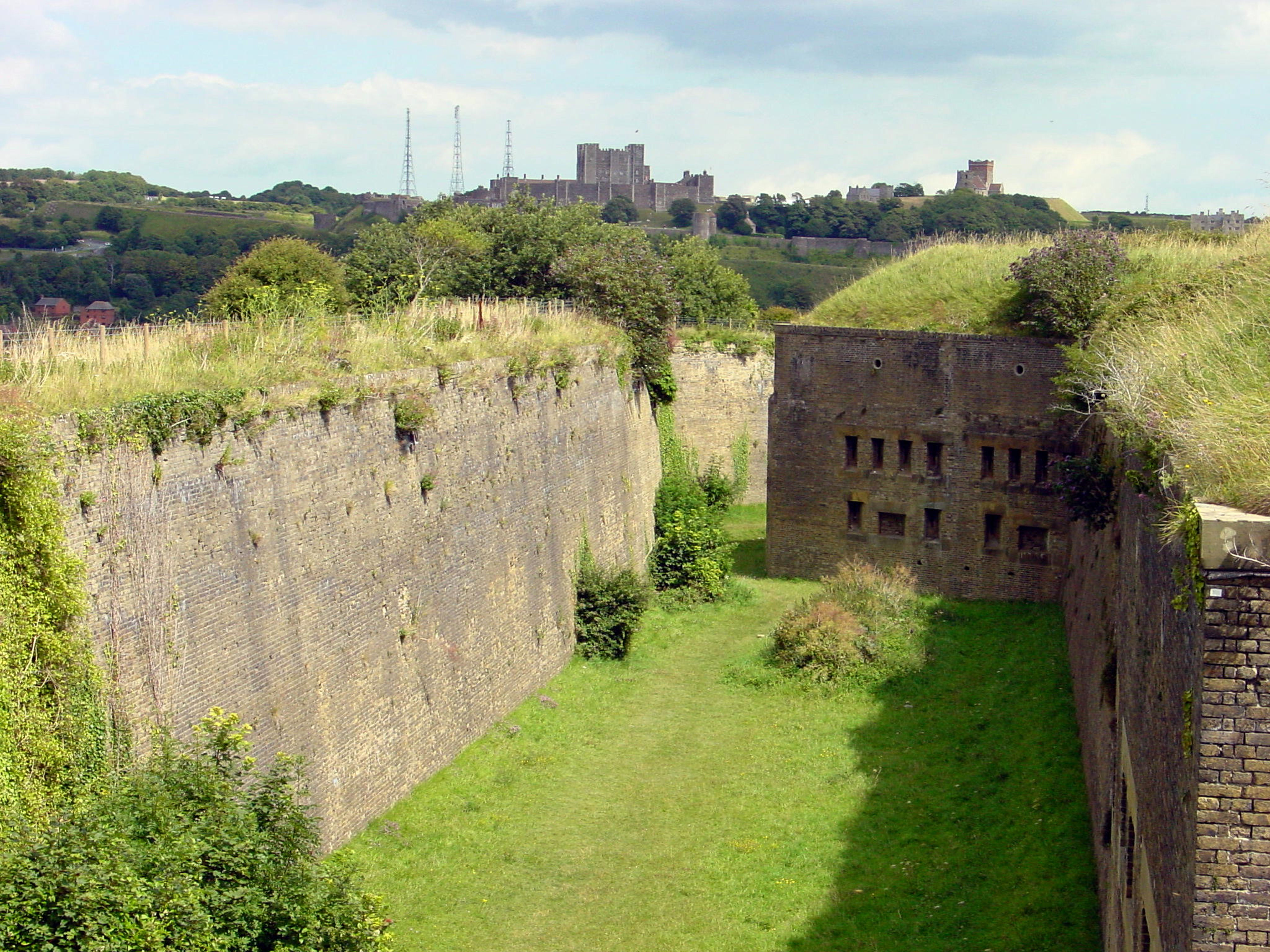
Drop Redoubt with the Castle & Swingate Towers - now there are two towers - in the distance

Drop Redoubt with the Castle & Swingate Towers – now there are two towers – in the distance

Following the results of the Inquiry and with the help and perseverance of the then DDC’s Director of Planning, John Clayton and the White Cliffs Countryside Project (WCCP), much was achieved during the following years. The clearing rubbish and scrub, introduction of Dexter Cattle to keep the scrub down, the ‘Soldiers Life’ trail, the north bastion steps, wooden gates etc. In 1994, IMPACT – The Joint Environmental Initiative of KCC and DDC – started work on the faithful reconstruction of the Grand Shaft that we see today.

In 1999 Dover’s former Chief Executive, John Moir, was quoted as saying that the council were working with English Partnerships on a new imaginative scheme for the Western Heights. This resulted in the setting up of the Western Heights Preservation Society (WHPS) by English Heritage in 2000. The Society is made up of enthusiastic volunteers but financial resources have been scarce.

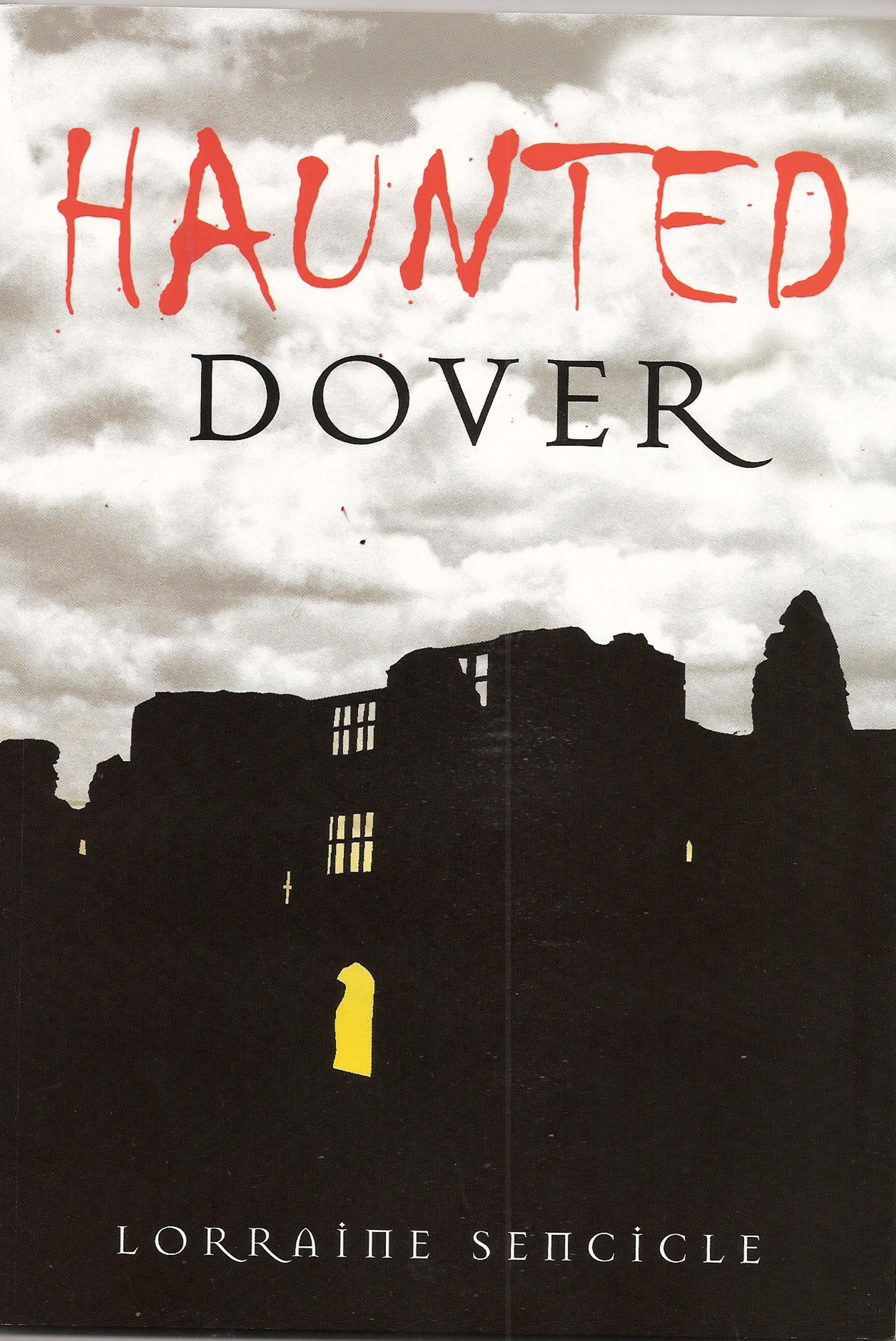
Haunted Dover by Lorraine Sencicle published by The History Press

Haunted Dover by Lorraine Sencicle published by The History Press

Shortly after, the Dover’s Young Offenders’ Institute in the Citadel closed and refurbished as a detention centre for asylum seekers. During the previous years, the officers’ houses were sold and bought by their occupants. Led by Richard Pimblett, these residents applied for, and successfully gained, village status for the estate. Taking the ancient name of Braddon at midnight on 20 October 2001 – the full story and that of Farthingloe can be read in the author’s book, Haunted Dover.

In July 2003 the Victoria Hall, erected in 1898 by the Church of England Soldiers and Sailors Institute as a temperance alternative to existing recreational facilities, was razed to the ground. It was a long single storey building with a dedication stone, laid by Lord Roberts of Kandahar VC, on 8th December 1898. Following the addition of a two-storey wing, it was converted into an infant’s school and Men’s Education Room in 1903. In 1922, a large Dining Room was added and in the 1950s, the Hall became the Young Offenders’ Institution Officers’ Recreation Club. Following the fire, what was left of the building was left to rot.

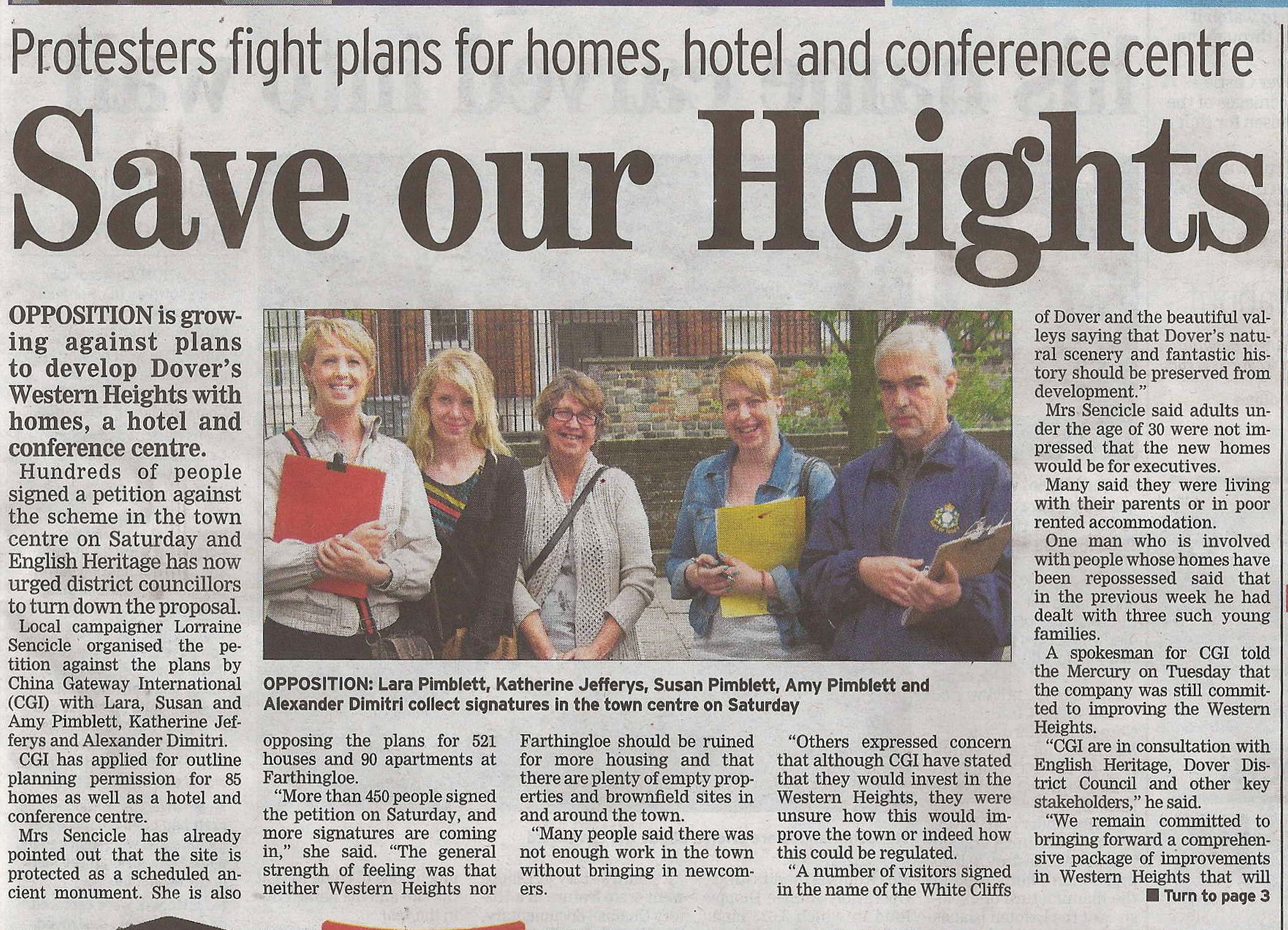
English Heritage, in 2010, announced that they planned to use prison inmates on day release to clean up Western Heights. This, they said, was to be undertaken in an effort to get the 18th-19th century fortifications off the Heritage at Risk register. Although Western Heights was protected from development, China Gateway International (CGI) were seeking planning permission for a housing and hotel development on the Heights, together with a massive housing development along the ancient Arthurian valley of Farthingloe. The latter is within an Area of Outstanding Natural Beauty (AONB) and of equally important tourism potential to Dover.

The proposal was outside DDC’s Core Strategy, adopted in 2010 and neither of the sites was listed in the supporting Strategic Housing Land Allocations Assessment. Because Western Heights and Farthingloe are some distant apart, traditionally, they have been treated as separate entities. However, it was apparent that they were combined so that Western Heights – with the desperate need for finance – was the proverbial ‘sprat to catch a mackerel’, for the urbanisation and profit potential of the virgin Farthingloe valley.

The ‘sprat’ used by CGI, and endorsed by those who were happy for the urbanisation to be at last realised, rested on Section 106 of the Town and Country Planning Act 1990. This allows developers to enter into a legally binding agreement to provide funds in return for granting of planning permission – usually for Executive style housing – without the 30% Affordable housing that is normally required. In this case, under Section 106, CGI have said that they will give £1million with a further £5million later but this appears to be dependent on profits.

Lara Pimblett leading protesters, front page Dover Mercury 12 July 2012

Lara Pimblett leading protesters, front page Dover Mercury 12 July 2012

Lara Pimblett, the daughter of the late Richard Pimblett, led the main campaign against the development and hundreds of objections were lodged. English Heritage made it clear that they had grave doubts about the wisdom of the proposed development and the Council for the Protection for Rural England (CPRE) were at the forefront of the national organisations objecting.

Nonetheless, planning permission was given for the developments on both Western Heights and in the Farthingloe Valley. This is for 521 residential units, 90-apartment retirement block, 130-bed hotel and 150-person conference centre, a health facility, conversion of a thatched barn to pub/restaurant and the conversion of stable block to retail shop and the conversion of the Drop Redoubt to a visitor centre. It is expected that the project will take seven years to complete.

This contrasts with Quebec, where the Citadelle is a National Historic Site of Canada and is located within a World Heritage Site a designation given in 1985.

  • Presented: 23 August 2013
Posted in Armed Services, Open Spaces, Tourism, Western Heights Part II, Western Heights Part II, Western Heights Part II | Comments Off on Western Heights Part II

Western Heights – Part I

Western Heights from Wellington Dock. Dover Harbour Board

Western Heights from Wellington Dock. Dover Harbour Board

One of the Dover Society trips some years back, was to Chartwell, Westerham, the home of Sir Winston Churchill (1874-1985), from 1924 to his death, and the nearby Quebec House. The latter was the home Sir General James Wolfe (1727-1759) during his childhood and the National Trust now owns the house. My interest in the latter, General James Wolfe, stemmed from when I was preparing the case against a proposed development on Western Heights back in the late 1980s / early 1990s.

The case was heard at a Local Plan Inquiry where, with the help of Jack Phillips and Alan, my husband, we were successful in stopping the development going ahead. A further outcome, we hoped, would be the recognition that the Heights was an Ancient Monument, and placed under the auspices of English Heritage in conjunction with Dover District Council (DDC). Therefore, we hoped the area would no longer be starved of finance in order to make it ripe for developers to move in. Sadly, the site is still starved of money, nonetheless, the story of Western Heights is well worth telling.

Doug Crellin's Map of the Western Heights fortifications

Doug Crellin’s Map of the Western Heights fortifications

Dover is a narrow valley opening up to the sea between two high cliffs, Dover Castle dominates the Eastern Heights and on the opposite side of the valley are the Western Heights. The main thrust of my case was the historic fortifications and I drew parallels with those in Quebec, Canada. The latter are located within a World Heritage Site a designation given in 1985. In English history, James Wolfe is synonymous with Quebec and I had every reason to believe that the General was in Dover prior to the Quebec campaign. The trip to Westerham confirmed this.

General Wolfe - Quebec House, Westerham. Courtesy of the National Trust

General Wolfe – Quebec House, Westerham. Courtesy of the National Trust

General Wolfe was born at the vicarage in Westerham, the elder of two sons of Lieutenant-General Edward Wolfe (1685–1759) and his wife, Henrietta (d. 1764). Shortly afterwards they family moved along the road to what is now called Quebec House and in 1738, the family moved again, this time to Greenwich. In 1731, James was commissioned as 2nd Lieutenant in his father’s regiment and followed a military career. On 27 June 1743, he distinguished himself at the Battle of Dettingen (1743) on the River Main, Germany, during the War of the Austrian Succession (1740-1748). In January 1749, he was appointed Major in the 20th Foot and began compiling his ‘Instructions for Young Officers,’ published in 1768.

The instructions were initially prepared in the event of a French Invasion. At the time, the British Army used a technique known as platoon firing, whereby the infantry battalion was subdivided into small platoons who would fire in sequence thus maintaining constant firing and throughout the musket was held at shoulder height. Wolfe introduced the much simpler technique of levelling the bayonet with the hip and creating an offensive rather than defensive weapon. These and other techniques were later incorporated into the official regulations and were the basis of British Infantry tactics in the American War of Independence (1776-1783) and the Napoleonic Wars (1793-1815).

Around 1753-1754, Wolfe was stationed at Dover Castle and was involved in discussions that were taking place in order to convert it into an artillery fortress. Over the following two years extensive alterations took place at the Castle including:
– The defence of the landward approaches from the north and east;
– Lowering the towers between Fitzwilliam Gate and Avranches Tower to give the artillery a field of fire;
– A new Mote Bulwark had been built in the 1730s and included a semi-circular Battery that had places for eight guns. This was enlarged.

In May 1756, Britain declared War on France – the start of the Seven Years War (1756-1763) and on 6 September 1857, Wolfe sailed with an expedition to Rochefort on the Atlantic coast of France. The French town had been designed as the ‘refuge, defence and supply’ for the French navy and its harbour had been fortified under the instructions of the Marquis de Vauban (1633–1707).

The landing was successful on the nearby Île d’Aix where the ramparts were destroyed. However, the raid on Rochefort was failure due to a combination of Vauban’s defences and indecision in the British command. Afterwards Wolfe wrote a detailed account and was reported as saying, ‘I am not sorry that I went, notwithstanding what has happened; one may always pick up something useful from amongst the most fatal errors’ (5 Nov 1757, The life and letters of James Wolfe, ed. H. B. Willson, 1909). Wolfe’s observations were to put him in good stead against the French at Quebec in 1759 and help to formulate the plan for Dover’s Western Heights.

Plan of Quebec circa 1758

Plan of Quebec circa 1758

French explorer, Jacques Cartier (1491-1557) stayed in the area that became Quebec in 1535 returning in 1541. His intention was to build a settlement but the harsh winters and hostility from the indigenous population led to the idea being abandoned. However, in 1608 Samuel de Champlain (1574-1635) founded what became Quebec City within a stronghold with defences designed by Vauban. The city was situated on a high promontory formed on one side by the St Lawrence River and on the other by the much smaller St Charles River.

On 23 January 1758, Wolfe was appointed one of three brigadier-generals in North America serving under Major-General Jeffrey Amherst (1717–1797). They were to lead an expeditionary force to capture the fortress of Louisburg on Cape Breton Island. Wolfe distinguished himself and the army besieged Louisburg. He then returned to England without authorisation and managed to persuade the Prime Minister (1756-1761 & 1766-1768), William Pitt the 1st Earl of Chatham (1708-1778), to lead an expedition to take Quebec. Wolfe was promoted to Major-General, given the authority he needed and put together a force led by officers he knew would serve him well. They sailed for Canada on 14 February 1759.

Wolfe was 4 miles downstream from Quebec by 27 June 1759 with every intention of making an attack. What happened next is well covered in the history books; suffice to say things did not go well for Wolfe and his troops. During the following weeks Wolfe spent his time looking for weaknesses in the French defences and a second attempt was made in the early hours of 13 September. By dawn his army had scaled the cliffs, where the defences were weakest, to the Plains of Abraham. The French made a counter attack but were routed. Wolfe, was fatally wounded and his body was brought back to England where it was interred in the church of St Alfege, Greenwich, on 20 November 1759. Quebec surrendered five days after Wolfe had been killed and eventually the whole of Canada came under British rule.

The notes that Wolfe made on the French defence weaknesses were brought back to England, and among those who studied them was Captain Thomas Hyde Page (1746-1821). In the 1870s, Captain Page was stationed in Dover and later built 110 London Road, Buckland – which still stands – with his wife Albinia formerly Woodward (b1760) of Dover. Both Captain Page and his wife played an active part in the town’s activities and the continual threats from France, was instrumental in setting up the Dover Volunteer Association. They were trained to operate the town’s gun batteries. His other lasting legacy was the beginning of the fortifications on Western Heights based on Wolfe’s observations in Canada.

Guilford Battery with Mote Bulwark behind 1821. Dover Museum

Guilford Battery with Mote Bulwark behind 1821. Dover Museum

When the American War of Independence (1776-1783) broke out, France supported the colonials and Britain, fearing an invasion, strengthened the national defences. Captain Hyde Page was put in charge of Dover’s defences and due to the close proximity to France and in the light of Wolfe’s exploitation in the weaknesses of the Quebec defence system, Page, organised the building of fortified batteries along the seafront, for which he was knighted. These were Guilford Battery, under the Castle cliffs; North’s Battery, where Granville Gardens are today; Amherst Battery to the east of where the Clock Tower at present stands; and Townsend Battery close to the present day Lord Warden House.

Between AD 115–200, the Romans built a large fort, the Classis Britannica at the base of north-eastern slope of the Heights. They also built two massive lighthouses, or Pharos, one of the Heights and the other on the eastern cliffs. The latter still stands, close to St Mary-in-Castro Church, within the Castle. Close to the Classis Britannica fort was a large civilian settlement with many substantial buildings. One of these was the Roman Painted House’ (circa c. AD 200), so called because of the painted wall plaster used in its fine decoration – this can still be seen today. From about AD270 Roman Britain came under increasing attack from Saxon pirates and it became necessary to fortify the shores. Large, strong Roman Shore Forts were built, including one at Dover  but eventually the Romans abandoned Britain.

Bredenstone that once could be seen on Western Heights. Dover Museum

Bredenstone that once could be seen on Western Heights. Dover Museum

By the twelfth century the round church, or chapel, long time attributed to the Knights Templars, was built on Western Heights – the foundations can still be seen. Nearby, was the medieval village of Braddon. Following the Restoration (1660), the installation of the Lord Warden took place near what remained of the old Roman Pharos, at the time called the Breden Stone – later Bredenstone. The area was, at the time, called the Devil’s Drop, as it was from here that felons were hurled off the Heights to their deaths. The Lord Warden Installation ceremony continued to take place on the Heights until 1891.

Grand Shaft Barracks 1850s. Dover Library

Grand Shaft Barracks 1850s. Dover Library

The Board of Ordnance, in 1781, bought two parcels of land on the Heights, totalling 33 acres and when peace returned Captain Page was given the job of creating a redoubt, of the type that Wolfe had advocated but with modernising modifications. The works on Western Height, designed by Page, incorporated a self-contained redoubt fort at the eastern end of the hill and a Citadel on the west, with entrenchment’s between. It was the Napoleonic Wars (1793-1815) that led to the building of the large fortress on the Western Heights. For this and based on the works of Wolfe and Page, Captain William Ford drew up plans with the intention of housing a garrison of sufficient size to secure the Heights against attack from the west or the rear. At the same time, enabling to direct flanking fire onto any invasion force attempting to assault the town and port.
Under the command of Lieutenant Colonel William Twiss (1745-1827), the building of the defences on Western Heights began in April 1804. Followed Page’s fieldwork’s, strong defensive lines linked the Citadel – the main defence – with the redoubt on the eastern side. The Citadel was strengthened; the Drop Redoubt and the North Centre Bastion along with bombproof barracks and connecting lines were constructed. He had previously designed the Guilford Shaft, on the eastern side of the valley, to link the Mote Bulwark with the Castle. Within this structure Twiss designed Casemate Barracks were begun in 1793 to provide accommodation for soldiers. Initially they were four parallel tunnels extending approximately 100-feet into the cliff with vertical ventilation shafts and reached by a terrace that extended from just above Canons Gate. Along what are now Townwall Street and Woolcomber Street a defensive canal was dug – all traces of which have now gone.

At St Margaret’s Bay, a wall that formed part of the defences can still be seen. This and similar outlying defences were built at the instigation of Sir Henry Popham, from East Kent, and Sir Charles Gray then commandant the South East Kent Forces. The defence of the coast was manned, for the most part, by the Cinque Ports Volunteers.

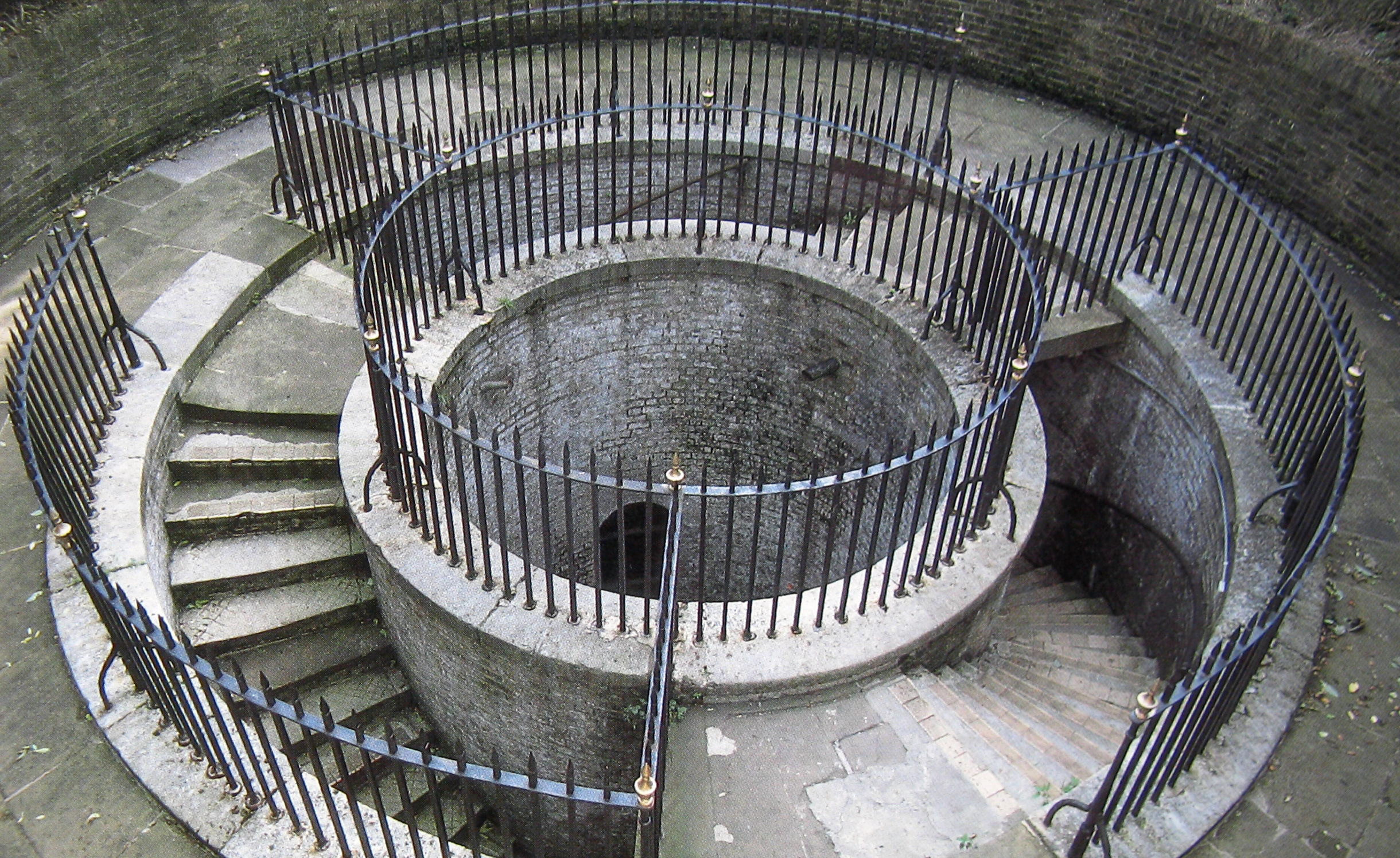
Grand Shaft staircase - Museum postcard

Grand Shaft staircase – Museum postcard

For the troops at Western Heights a link between the barracks with the port to enable rapid troop movement was built. The monumental Grand Shaft was designed by Page, was constructed between 1805 and 1807. It consists of three spiral staircases around a vertical circular brick shaft that descends for 140 steps to a tunnel linking up with Snargate Street. The Barracks, named after their proximity to the Grand Shaft, was erected and could accommodate 1,300 men, 59 officers and eight horses. Nearby was a 180 bed military hospital was completed in 1804.

All of these works were carried out under the auspices of William Pitt the younger (1759-1806), Prime Minister (1804-1806) – the then Lord Warden of the Cinque Ports (1792-1805) and the Secretary of State for War (1802-1806), Sir William Dundas (1762-1805). When finished the Western Heights fortifications could accommodate 5,000-6,000 men and cost approximately £240,000. On 11 May 1807, some three years after the military works began on Western Heights, a special court was convened to ascertain the amount of compensation that the former Western Heights land owners should receive.

Map of Western Heights Prior to 1780 and the start of the major fortifications - Dover Museum

Map of Western Heights Prior to 1780 and the start of the major fortifications – Dover Museum

The Hearing was held at the Ship Tavern on Strond Street, besides what later was renamed Granville Dock. In the Chair were General Sir Thomas Trigg (circa1742- 1814) and General Twissly Moore with the jury drawn from Dover freeholders. These were Samuel Latham (1752-1834) – foreman, Robert Hunt (b1754), Charles Stone, William King (b1747), John Thomas Neates, Thomas Chester (1752-1823), William Cullen, George Harman (d1841), William Collins (b1740), Samuel Collett, Richard Marsh (1751-1840), and Thomas Pattenden (1748-1819).

The Council for the Crown was a Mr Garrow who started proceedings by looking at the lands that had belonged to Thomas Papillon of Acrise. He called Mr Wyatt, Surveyor for the Government and also George Leith (1756-1832) and Mr Baldock, both of whom had surveyed and valued the land at the request of Thomas Biggs of the Ordnance Office. Papillon’s land amounted to 41 acres on the Heights plus 10½acres at the nearby Archcliffe Fort for which he demanded £8,000 compensation.

The jury estimated that the 41 acres were worth £60 an acre, which amounted to £2,460, while the land taken by Archcliffe Fort was worth £4,100. This came to £6,560 so they rounded the compensation down to £6,000guineas equalling £6,300. The next case appertained to William Coleman of Dover for damage and loss sustained by him at different times since the works have been carried on lands, which he had held as a tenant of Papillon. The jury decided that Papillon should compensate Coleman out of the £6,300.

About six acres of land opposite Archcliffe Fort that belonged to John Monins’ heirs, was the next case. At the time the War Office commandeered it, George Stringer (1767-1839) of Castle Hill House held the land. He had rented this out to the town’s butchers for their livestock and they had paid Stringer £16 a year out of which he gave the Monins estate an agreed percentage. The jury estimated that the land was worth about £333 per acre and decided in total that the compensation would be £2,000 for the six acres. It was left to the different parties as to how this would be divided. Robert Walker (1767-1834) did equally as well, asking for and receiving £40 for posts and rails and other damages and expenses he had sustained.

Military Hill - building started to take place after the 1860 ruling as can be seen in this c1900 view from Priory Place. Dover Library

Military Hill – building started to take place after the 1860 ruling as can be seen in this c1900 view from Priory Place. Dover Library

James Gunman (1747-1824) made what turned out to be the longest lasting and the most controversial claim for £600 as compensation for agricultural land taken from him. This was to create the Military Road from above York Street to part way up Military Hill. This, Gunman argued, had also reduced the value of his land on either side of the new road but the jury decided that this land would increase in value as it had effectively been turned into building land. They therefore awarded Gunman £100 and, as they predicted, Gunman sold the land on either side of the Military Road for building purposes.

The Town Council with the intention of building a small housing estate bought this land, but the War Office barred none Military personnel using Military Road. The Council protested but when the Government’s Privy Council assessed the situation they supported the War Office giving them permission to close the road for 12months. When the time was up, the Council again asked to use the road for access to their land but again the Privy Council sided with the War Office and it was closed for a further 12months. This annual situation went on for nearly 50years and on each occasion the Dover Council had to pay the costs of both parties. To make matters worse, as they owned the land on either side of Military Road, they had to pay for the upkeep of the verges/pathways.

In the meantime, on what was the Council owned land the local military had encouraged the development of a ‘red light’ slum to serve the ‘needs’ of the garrison. The residents of this ‘red light’ district did not pay rates either to the military or to the Council. About 1855, instead of the annual legal contest with the War Office by Dover Council, the War Office authorised the building of terraces on the Council owned land! The infrastructure was laid and Mount Pleasant, Bowling Green Hill, Durham Hill, Union Row and Blucher Street were built. When the properties were fully occupied the War Office submitted a bill to the Council for the annual rent of the land on which the properties were built!

Dover Council refused to pay so in response, the War Office authorised the estate’s newly laid roads with water and sewerage pipes underneath, to be smashed using heavy gun carriages. Although the Council protested and tried to show them the evidence that they actually owned the land, the War Office took no notice. The War Office again demanded the ground rent and threatened to smash Dover’s infrastructure nearer the town centre and at the same time, openly encouraged the red light district personnel to use the residents gardens as lavatories.

In 1860, local solicitor, Edward Knocker (1804-1884) was appointed the Town Clerk and his first job was to try and reach a compromise with the War Office. On examining the evidence, Knocker realised that in fact the disputed area did belong to the Council and he also worked out a way of dealing with the red light district. The council agreed to allow Knocker to pursue the case as he saw fit. Using the Public Health Act of 1848 and with authorisation from the General Board of Health, Knocker ordered the relaying of the water mains and sewerage drains. Then, under the auspices of the Town’s new Surveyor, John Harvey (d 1879) from Gloucestershire, the pipes were covered with a sufficiently strong road surface to take the weight of the heavy gun carriages. When completed, Knocker then sent the bill to the War Office with notice that he would take legal action if they did not pay up.

At first the War Office tried to call Knockers bluff but he issued a writ which the War Office asked him to withdraw, saying that they would send the money. Knocker did as they asked but instead the War Office did exactly what Knocker expected them to do, they started legal proceedings against the Council! They argued that the land on which the estate was built was on land owned by the military for which the Council owed them the ground rent. Further, the Council had no right to lay the water and sewerage pipes on what was military land.

Knocker responded, saying that the Council had built the houses on land that the deeds confirmed belonged to them and that they had undertaken their obligatory duties demanded by the Public Health Act and approved by the General Board of Health. Further, the War Office had made no attempt to provide any services, as prescribed under the Public Health Act, to the shanty town that had developed on their land and had encroached on Council owned land over the previous 50years. The Court’s judgement was that the War Office were obliged to accept the Laws of the Nation and the Public Health Act prevailed over the views of the War Office. They added, that in their opinion, the deeds proved that the Council owned the disputed land.

Durham Hill Flats seen from York Street. Alan Sencicle 2009

Durham Hill Flats seen from York Street. Alan Sencicle 2009

The War Office were furious over the decision and initially sought to appeal but possibly on legal advice withdrew their claim. Instead they closed the bottom of Military Road with a gate manned by armed guards. Although this blocked vehicle access to the small estate as well as over the Heights to those without military authority, locals quickly found ways around this. Further, as the roadblock seriously limited access to the red light district it started to empty and under the Public Health Act, Knocker had the area cleared. Although the roadblock eventually disappeared the council’s Mount Pleasant estate, as it was called, by the early twentieth century had become a slum.

Using the Housing Act 1930, Dover Corporation considered the housing needs of Dover for the following five years and this included the clearance of Dover’s slums. One of the areas earmarked was this estate however World War II (1939-1945) intervened and during that time the area succumbed to significant amount of shelling. Following the War the area was cleared and was replaced by the Durham Hill flats we see today. About the same time the lower part of Military Road was formally dedicated for public use over 150 years after it had been purchased by Dover Council!

Part II of the Western Heights focuses on its military history.

  • First Presented:  23 August 2013, Expanded 20 May 2018
Posted in Armed Services, Open Spaces, Tourism, Western Heights - Part I, Western Heights - Part I | Comments Off on Western Heights – Part I

Secondary Education in Dover – the Beginning

Old Technical College from Brook House Car Park

Old Technical College from Brook House Car Park

In 2005, we saw Dover Boys’ Grammar celebrating their centenary and in 2010, the Dover Girls’ Grammar School celebrated theirs. They, like East Kent College, can trace their origins back to the old Technical School building in Ladywell and its founder, William East.

Secondary education in the town started life in part of what had been the Ship Inn on Custom House Quay (Snargate Street side of Granville Dock) in the Pier District in the mid-19th century. A few philanthropic locals set up the Dover School of Art where basic secondary education was provided for paying sons of local tradesmen. It did not stay there long and eventually moved to Marine House in Liverpool Street (since demolished), where it stayed until 1873. The school then moved to Eastbrook Place until what had been the racquet court, in the upper floor of the Drill Hall in Northampton Street (now part of De Bradelei Wharf car park) became available in 1876.

That year the school had 171 fee paying boys but the total income for they year was only £263. Due to lack of facilities, lack of a head teacher and heavily stretched teachers, the results were poor. 112 students submitted 2,433 pieces of work for public examination but only 24 passed. With a permanent site being made available, although not ideal, the governors planned to change the name of the school to the Municipal School of Science and Art.

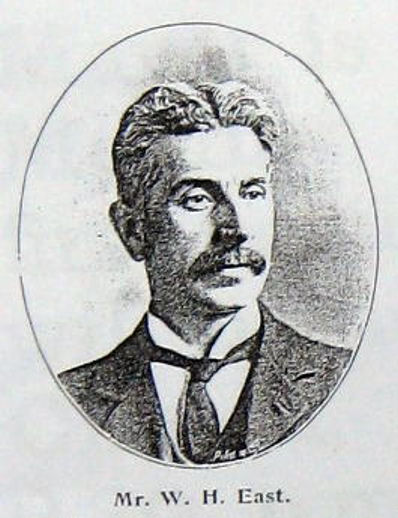
William East the new Headmaster of the Dover Municipal School of Science and Art.

William East the new Headmaster of the Dover Municipal School of Science and Art

The Dover Harbour Board owned the ‘new’ school premises and part of the deal was that a professional art teacher would be appointed the headmaster. William East, from a Yorkshire family applied and not only did he have good references but had exhibited at the Royal Academy of Arts in 1896-97 and was the elected Chairman of the Society of Art Masters! With the new headmaster in place the school retained its old name but was officially opened by the Earl of Granville, the then Lord Warden.

William East turned the Dover school into one of the most highly acclaimed institutions in the county. Under the Technical Instruction Act of 1889, local councils were given power and loans to supply or aid supply of technical or manual instruction for senior students. The Corporation took over the School in 1892 and William East persuaded them, using the Act, to build a purpose built combined Art and Technical School.

Commemorative stone of the opening of the Art and Technical school, Ladywell by Lady Crundall 04.06.1894

Commemorative stone of the opening of the Art and Technical school, Ladywell by Lady Crundall 04.06.1894

The Corporation borrowed £11,000, repayable over thirty years and purchased land in Ladywell for £3,000. J.S.Chapel, the Architect of Connaught Hall, drew up the plans and the building contract was given to William Bromley. On the assurance that William East would be the Principal, Kent County Council (KCC) gave a grant of £12,000 and in June 1894, the wife of Sir William Crundall, Mayoress of Dover, opened the school. The style is that of the English ‘Arts & Craft’ movement and the council were proud of its distinctive features both inside and out. Subsequently, these ensured its Listing.

In the subjects available, the education that the boys received was on par with that of the nearby public school, Dover College. Further, in the field of art, the results out-shone all other schools of its type. In 1903, five students were successful in obtaining scholarships to the Royal College of Art and many others exhibited at national acclaimed salons in both London and Paris. One of these students was Reginald Goulden – designer of the Dover’s War Memorial.

On the back of this success, William East put forward the case for providing secondary education for the more academic Dover boy. However, Dover College was seen as perfectly adequate in meeting these needs particularly as they provided scholarships. There was also concern about keeping the rates as low as possible. Albeit, at the time the Education Bill was going through Parliament.

Fred Whitehouse Headmaster Dover Boys' County School

Fred Whitehouse Headmaster Dover Boys’ County School

This strengthened William East’s argument and in 1902, he was allowed to set up a Municipal School for Boys in the basement of the Ladywell premises. The following year the Education Act was passed and KCC was given a grant of £25,000 a year from central government for the county’s secondary education. In preparation, the Municipal School for Boys was renamed the Dover County School in 1905 and Fred Whitehouse was appointed as headmaster.

The ‘County’ status had to be designated by KCC and if achieved there would be grants available under the Education Act. To gain the status it was necessary to provide secondary education of the standard demanded to both girls and boys in the area. At 2-3 Effingham Crescent was the St Hilda’s Dover Pupil Teacher Centre, which provided ‘domestic’ education for local tradesmen’s daughters. St Hilda’s agreed to be incorporated into the application but KCC refused.

In 1907 new legislation set a standard curriculum for both sexes attending County schools and required 25% of pupils to be given free places (scholarships). These children had to be drawn from local elementary schools. Dover fit the bill in every respect, so William East and Fred Whitehouse, along with a delegation of local councillors, again sort County status from KCC but again they were refused.

Miss Chapman first Headmistress of the Dover Girls' County School

Miss Chapman first Headmistress of the Dover Girls’ County School

A tome of acrimonious legal arguments between Dover council and KCC ensued, during which time the governors and parents of St Hilda’s openly joined forces with the Dover contingency but KCC would not be moved. Instead, they only gave the town grants sufficient to cover the Art and Technical school, to comply with the Act and suggested that the more academic pupils could go to Folkestone or Canterbury.

The Boys’ school remained in the basement of the Ladywell premises and some girls were admitted but all the pupils were either fee paying or charity students. Pressure continued and in 1910 KCC, capitulated giving both the boys’ and St Hilda’s County status. They also appointed Miss Chapman as headmistress of the girls’ school.

What happened next is the subject of other stories suffice to say that eventually the Boys’ and Girls’ County schools eventually moved to purpose built premises and are still in existence as Dover’s two Grammar schools. The  Technical and Art schools separated and these days their present successor known as K-College and housed in a relatively new building the main entrance of which is in the Paddock.

Proposed development 2004. Simpson Creative. Dover Library

Proposed development 2004. Simpson Creative. Dover Library

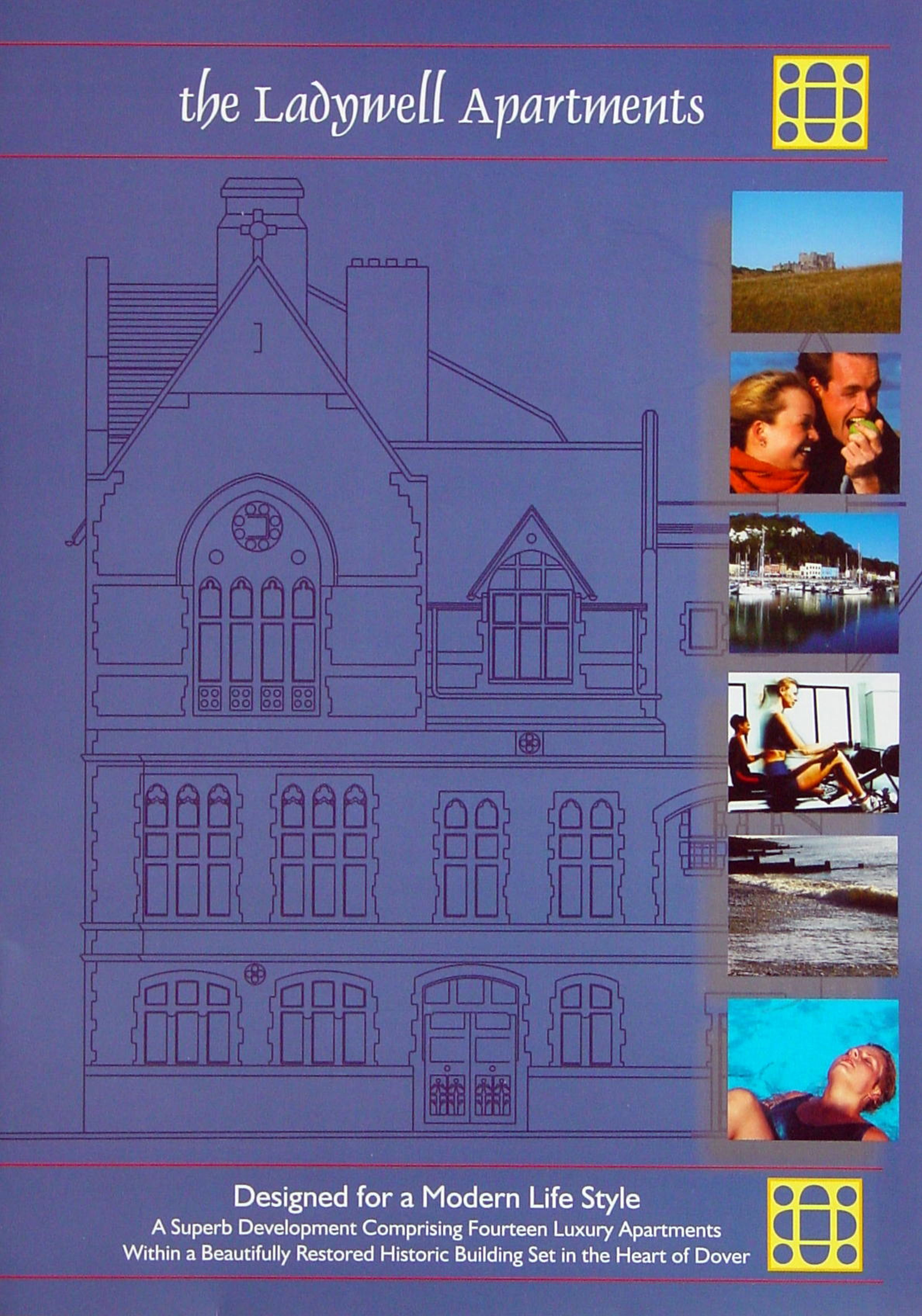
The purpose built combined Art and Technical school on Ladywell closed and was sold to property developers Raylion in 2003. They planned to turn the building into flats but the firm left its last registered premises in 2006 with no forwarding address. In recent times, a fitness centre has opened on the ground floor of the grade II Listed building and the hope is that it will soon be fully occupied again.

  • Published:
  • Dover Mercury:  18 & 25 March 2010
Posted in Local Government, Secondary Education in Dover - the Start | Comments Off on Secondary Education in Dover – the Beginning